Freeze Chicken Safely for Longer Freshness
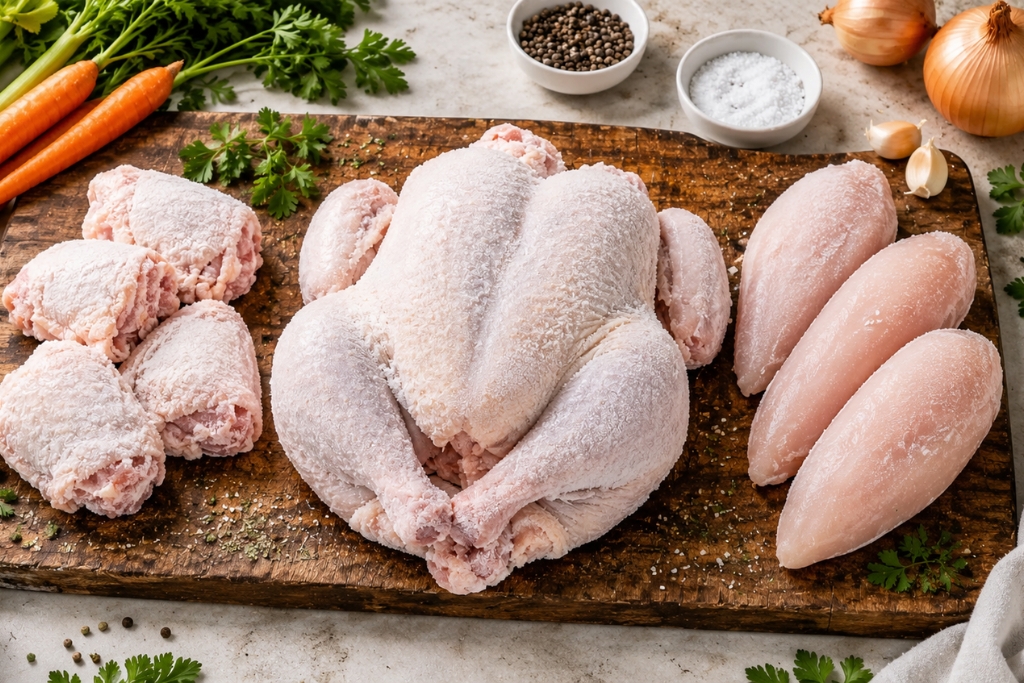
Freeze chicken safely
Freezing chicken safely can save your week. It helps with meal prep, keeps grocery costs under control, and gives you an easy protein option when dinner plans fall apart.
But then comes that familiar freezer moment. You pull out a forgotten pack of chicken breasts or thighs, check the icy corners, and wonder, “Is this still okay to cook?” That question matters because food safety and food quality are not the same thing. Chicken kept frozen properly can stay safe for a long time, but taste, texture, and moisture can slowly decline.
Why freeze chicken safely matters
Chicken is useful, but it needs careful handling. Raw poultry storage is different from storing vegetables, bread, or cooked grains because raw chicken can carry bacteria before cooking. Freezing chicken stops bacteria from growing, but it does not make spoiled chicken safe again.
So timing matters. If fresh chicken has already been sitting in the fridge too long, freezing it at the last minute will not magically restore quality. The best move is to freeze chicken safely while it is still fresh, cleanly packed, and within its normal raw chicken shelf life. That gives you better texture later. It also lowers waste.
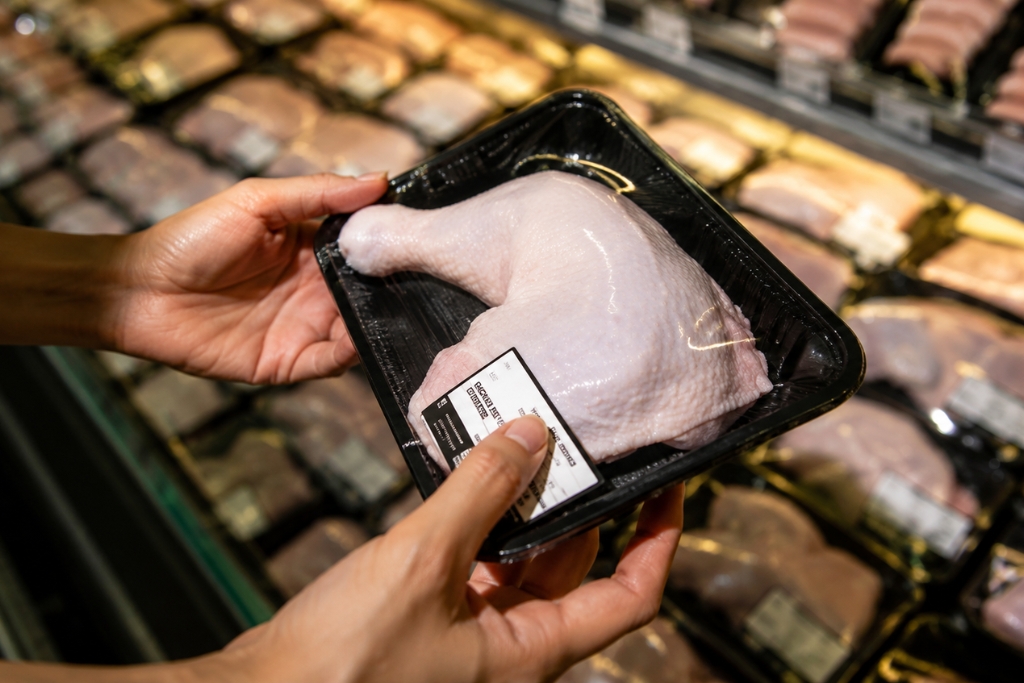 Freezing chicken
How long frozen chicken lasts
The answer depends on the cut. A whole chicken holds moisture better because less surface area is exposed. Smaller cuts lose quality faster, and ground chicken breaks down even sooner.
For best quality, follow these freezer storage limits:
- Whole raw chicken: up to 12 months
- Raw chicken breasts, thighs, wings, or drumsticks: up to 9 months
- Ground chicken or giblets: 3 to 4 months
- Cooked chicken justifyovers: up to 4 months
These timelines focus on quality. If frozen chicken stays continuously at 0°F or below, it can remain safe beyond these windows. Still, safe does not always mean tasty. Dry chicken is no fun.
Is frozen chicken good after 6 months?
Yes, frozen chicken is usually still safe to eat after 6 months if it has stayed properly frozen. Raw chicken parts like breasts, thighs, and wings are still within the recommended quality window at that point. A whole chicken should also hold up well.
Ground chicken is the one to watch more closely. Because it has more exposed surface area, it can lose moisture and flavor faster. Cooked chicken also tends to dry out after a few months, especially if it was not packed tightly.
So, if you are asking, “is frozen chicken good after 6 months?” the practical answer is yes for most raw cuts, but quality depends on packaging and freezer temperature.
Raw vs cooked chicken freezer time
Raw vs cooked chicken freezer time can be confusing because cooked food often feels “safer.” But cooked chicken usually has a shorter freezer quality window.
Why?
Cooking changes moisture levels. Once frozen, reheated, and served again, cooked chicken can become dry or rubbery if stored too long. Raw chicken, especially whole pieces, usually handles freezing better when packed properly.
That is why meal prep chicken should be labeled carefully. If you freeze cooked shredded chicken, grilled chicken, or chicken casseroles, try to use them within 3 to 4 months for better flavor.
How to spot freezer burn
Freezer burn happens when air reaches the chicken and pulls moisture from the surface. It does not automatically make frozen chicken unsafe, but it can make it dry, tough, and dull-tasting.
Look for these freezer burn signs on chicken:
- Grayish, brownish, or pale dry patches
- Large ice crystals inside the packaging
- A leathery or rough surface texture
- Dull color after thawing
- Dry, woody texture after cooking
If only one small area has freezer burn, trim it off before cooking. If the whole piece looks badly dried out, it may still be safe, but it probably will not taste great. Freezer burn is mainly a quality issue when chicken has stayed frozen properly. The bigger food safety risk usually comes from unsafe thawing or refreezing after temperature abuse.
How to pack chicken the right way
Safe chicken storage starts with packaging. Store packaging is fine if you plan to use the chicken soon, but it is not always ideal for longer freezing. Thin plastic can let air in, and air leads to freezer burn.
For better results, remove chicken from the tray and wrap it tightly. Use freezer bags, freezer paper, heavy-duty foil, or airtight containers. Press out as much air as possible before sealing. Vacuum-sealed frozen chicken is even better because it removes oxygen and protects moisture.
Label every pack with the date and cut. It takes ten seconds and saves you from freezer guessing later. When storing whole chicken in freezer space, wrap it tightly and keep it away from the freezer door, where temperature changes happen more often.
Safe chicken thawing methods
Thawing chicken properly matters just as much as freezing it. Never thaw raw chicken on the counter. The outside can warm up into the danger zone while the inside is still frozen.
Use safer methods instead. Refrigerator thawing is best. Place chicken on the bottom shelf in a bowl or tray to catch drips. It takes longer, but it protects texture and lowers risk.
Cold water thawing works when you are short on time. Keep the chicken sealed, submerge it in cold water, and change the water every 30 minutes. Cook it right after thawing. Microwave thawing is the fastest option, but it can heat unevenly. If you use it, cook the chicken immediately.
Conclusion
Freeze chicken safely, and it can stay useful for months without turning into a mystery item at the back of the freezer. Whole raw chicken is best used within 12 months, raw pieces within 9 months, and ground or cooked chicken within about 4 months for peak quality. The real trick is simple: freeze fresh chicken early, wrap it tightly, remove air, label the date, and thaw it safely. That keeps your meals easier, your freezer cleaner, and your chicken tasting much better when it finally hits the pan.