Chronic Illness Travel Tips for Stress-Free Vacations

Chronic Illness Travel
Chronic Illness Travel can feel exciting and stressful at the same time. You may want the break, the beach, the family trip, or the quiet hotel room far away from routine. But if you live with a long-term health condition, your brain may jump straight to the difficult questions.
What if symptoms flare?
What if medication gets lost?
What if anxiety spikes in an airport queue?
That worry is understandable. Travel changes sleep, food, movement, temperature, medication timing, and access to care. Still, a medical condition does not automatically mean staying home. It means planning smarter.
Why Chronic Illness Travel Needs More Structure
Chronic Illness Travel works best when preparation begins before the suitcase comes out. A pre-trip check-in with your doctor can reduce a lot of uncertainty. Use that appointment to review your destination, medications, vaccines if needed, symptom triggers, and any activity limits.
Ask for a short medical travel letter. It should explain your diagnosis, list your medicines by generic name, and mention any medical devices you carry.
This is not overplanning. It is peace of mind.
A medical letter can be especially useful during airport security checks, border crossings, pharmacy visits, or emergency care abroad.
Pack Medication Like It Is Non-Negotiable
Medication should stay in your carry-on bag, never in checked luggage. Bags get delayed. Flights get diverted. Weather happens.
Keep medicines in original packaging with prescription labels visible. Pack enough for the full trip plus extra days in case of delays. If your medication needs temperature control, arrange insulated storage before travel day.
Also keep digital copies of prescriptions, insurance details, and important medical records on your phone and in cloud storage. When managing illness while traveling, access matters. A perfectly planned trip can still go wrong if the one thing you need most is sitting in a missing suitcase.
Build a Low-Stress Travel Day
Airports are not designed for nervous systems that need calm. They are loud, crowded, rushed, and full of waiting. That can increase travel anxiety. One of the most useful travel anxiety tips is to create more time than you think you need. Arrive early. Choose direct flights when possible. Avoid very tight connections. Book aisle seats if frequent movement, restroom access, or stretching helps your condition.
If standing in long queues worsens symptoms, check whether the airport or airline offers mobility support or priority assistance. There is no prize for struggling silently. Medical travel care includes making the journey easier, not just handling emergencies.
Plan the Destination Before You Arrive
A stress-free vacation starts with knowing where help is.
Before leaving, identify the nearest hospital, urgent care clinic, pharmacy, and emergency number at your destination. Save these details offline. If traveling internationally, check whether your insurance covers pre-existing conditions and emergency medical care.
This is especially important when planning a stress-free vacation with a medical condition. Nobody wants to think about healthcare while packing sunglasses and sandals. But knowing the nearest clinic can stop a small issue from becoming a panic spiral.
Protect Your Energy, Not Just Your Schedule
Many people overpack their itinerary because they feel they must “make the most” of the trip. That can backfire. Mental health vacation planning should include rest as an actual activity. Build in slower mornings. Leave gaps between sightseeing. Schedule a buffer day after arrival if possible, especially after long flights or time-zone changes.
Your body may need time to adjust. That does not mean the trip is less meaningful. It means the trip is designed around real life, not a fantasy version of perfect health.
Quick Tips for Stress-Free Vacations
Keep this checklist simple:
- Pack medicines in your carry-on.
- Carry extra doses for travel delays.
- Keep prescriptions in original containers.
- Save medical records and insurance details digitally.
- Choose direct routes when possible.
- Identify nearby clinics before arrival.
- Tell travel companions about key symptoms or triggers.
- Build rest time into the itinerary.
- Keep snacks, water, and comfort items nearby.
- Ask for airport or hotel assistance when needed.
These steps make health condition planning feel manageable instead of overwhelming.
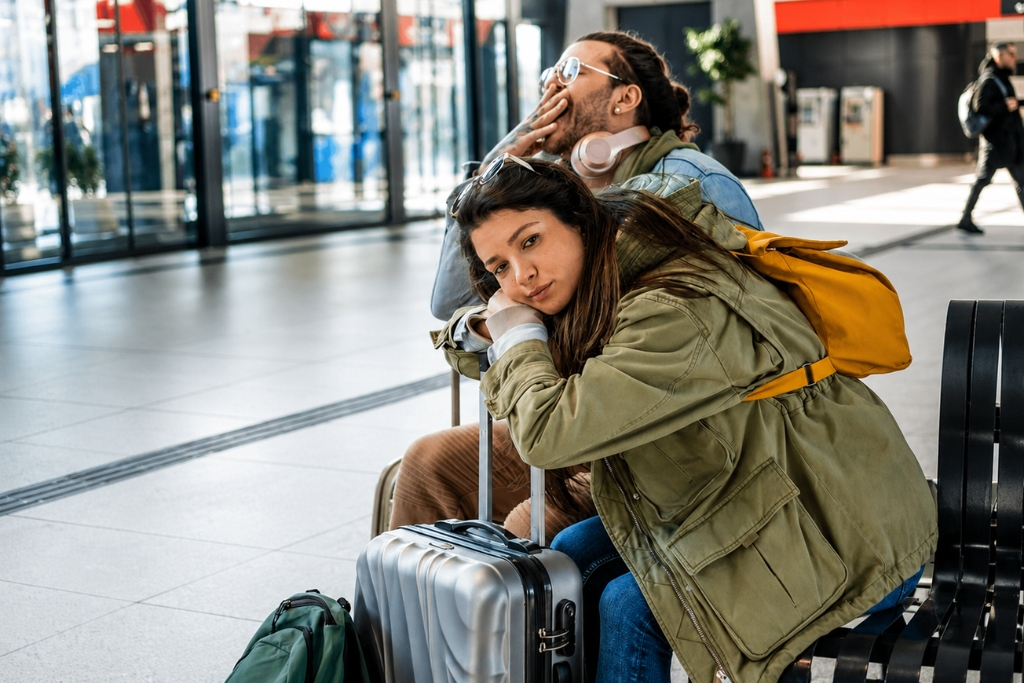
Travel anxiety tips
Talk to Your Travel Companions Early
If traveling with friends or family, be clear before the trip starts.
Explain what helps during a flare-up, what symptoms may look like, and when you may need to rest. This avoids confusion later. It also prevents guilt, because everyone understands the plan.
If you are traveling alone, share your itinerary with someone trusted. Keep emergency contacts easy to find on your phone. For people wondering how to manage chronic illness anxiety while traveling, communication is one of the strongest tools. It turns private fear into practical support.
Conclusion
Chronic Illness Travel does not need to feel like a risk you are barely managing. With the right planning, it can become calmer, safer, and far more enjoyable. The goal is not to control every possible problem. That is impossible. The goal is to reduce avoidable stress by preparing medication, documents, support systems, pacing, and medical backups before the trip begins. Traveling with chronic conditions requires honesty about your limits, but it also allows space for freedom, rest, and new experiences. A stress-free vacation is not always a perfect vacation. It is one where your health needs are respected enough for you to actually enjoy being away.