Postpartum Hair Loss Tips for Gentle Regrowth
Postpartum hair loss tips
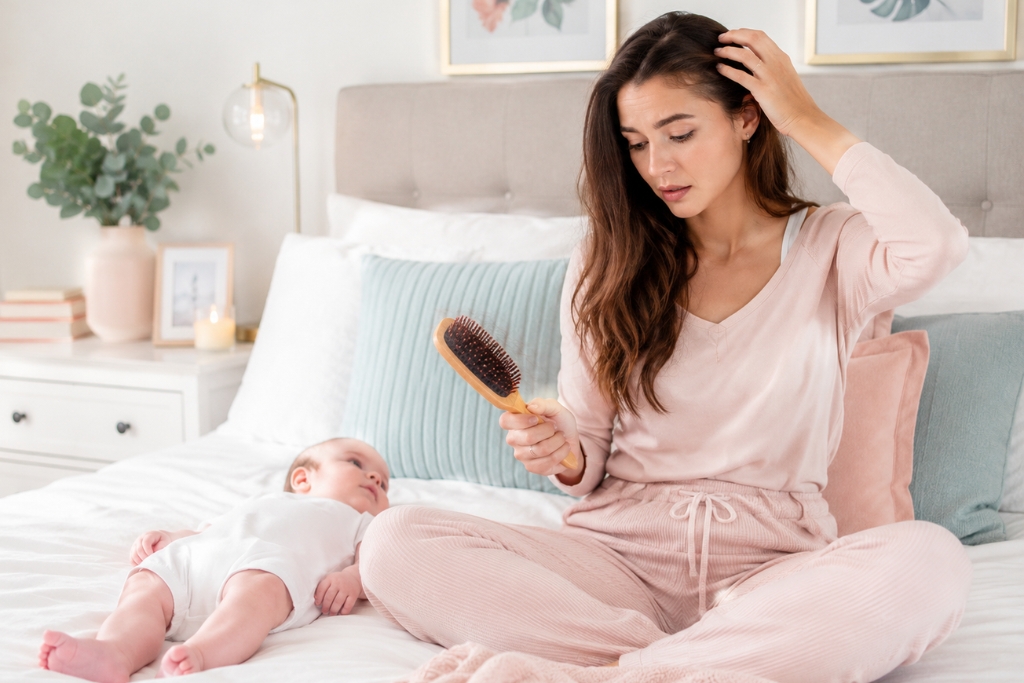
Postpartum hair loss tips can feel very personal when you are already adjusting to life with a baby. You may be sleeping less, healing physically, feeding constantly, and trying to feel like yourself again. Then suddenly, your brush looks fuller than usual. The shower drain clogs faster. Your hairline may look thinner around the temples.
It can be upsetting.
The good news is that postpartum hair loss is usually temporary. It often happens because estrogen levels drop after childbirth, shifting more hairs into the shedding phase at the same time. This is called telogen effluvium. It is common. Still, that does not make it easy to watch.
Why postpartum shedding happens
During pregnancy, higher estrogen levels can keep more hair in the growth phase. That is why some people notice thicker, fuller hair while pregnant.
After delivery, hormones shift again. As estrogen drops, those extra hairs begin to shed. This usually starts a few months after birth and can feel sudden. It may look like hair thinning, but in many cases, it is the body returning to its normal hair cycle.
Telogen effluvium is a temporary shedding pattern, not permanent hair loss in most postpartum cases. That distinction matters. It helps reduce panic and keeps you from over-treating your scalp with harsh products.
Postpartum hair loss tips that actually help
The best Postpartum hair loss tips are not extreme.
They are gentle, consistent, and realistic for a new mom’s routine. You do not need a complicated ten-step hair plan. You need to reduce breakage, support scalp health, and give your body time to recover.
Start by treating your hair like it is delicate. Use a mild shampoo. Avoid tugging. Detangle slowly. Choose loose hairstyles. Keep your scalp clean without scrubbing aggressively. Small changes protect the hair you still have while new growth starts coming in.
Support your body from the inside
Hair regrowth depends partly on nutrition.
Your body has been through pregnancy, delivery, and recovery. If you are breastfeeding, your nutritional needs may be even higher. Protein, iron, zinc, vitamin D, and other nutrients all support healthy hair growth.
This does not mean you should start random supplements.
Ask your healthcare provider before taking vitamins for postpartum hair, especially if you are breastfeeding or already taking prenatal vitamins. A balanced diet helps too. Think eggs, lentils, beans, leafy greens, nuts, fish, yogurt, whole grains, and enough fluids. Not perfect meals. Just steady nourishment.
Keep scalp care simple
Scalp health matters because new hair grows from the follicle. A clean scalp supports that process. But clean does not mean stripped or irritated. Choose safe hair products postpartum that feel gentle and do not leave heavy buildup. If your scalp feels oily, wash it. If it feels dry, space out washes slightly and use a mild formula. There is no universal wash schedule.
Gentle scalp care new moms can actually maintain is better than an ideal routine that feels impossible. A soft fingertip massage while shampooing can help you feel more relaxed and may support circulation at the scalp. Keep it light. No nails. No rough scrubbing.
Be careful with styling
Postpartum thinning hairlines can look more noticeable when hair is pulled tightly.
Loose styles are your friend right now. Use soft scrunchies, claw clips, loose braids, or low buns. Avoid tight ponytails, slick buns, tight braids, and heavy extensions that pull at the hairline.
Heat styling can also make fragile strands look thinner by causing dryness and breakage. If you use a blow dryer, keep the heat low and avoid pulling hard with a brush. Your goal is not perfect hair every day. It is less stress on the scalp.
A simple routine to follow
Use these Postpartum hair loss tips when you want a routine that does not take much time:
- Wash with a gentle shampoo when your scalp feels dirty.
- Use conditioner mainly on mid-lengths and ends.
- Detangle with a wide-tooth comb, starting from the ends.
- Choose loose hairstyles that do not pull the hairline.
- Limit heat styling when shedding feels heavy.
- Eat enough protein and ask about postpartum vitamins.
- See a doctor if shedding feels extreme or continues too long.
This is not glamorous. It is practical. That is what works best during this phase.
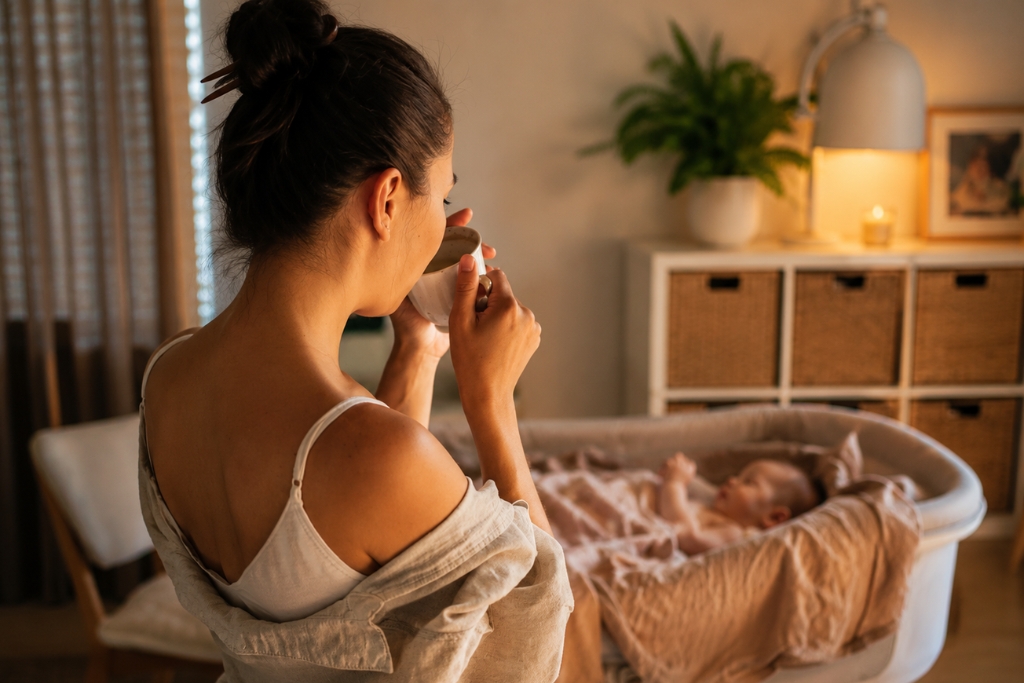
Postpartum shedding
When to ask for medical help
Most postpartum shedding improves with time, but some situations deserve a checkup.
Speak with a healthcare provider or dermatologist if hair loss continues beyond a year, comes with bald patches, causes scalp pain, or feels much heavier than expected. Also get checked if you have fatigue, dizziness, heavy periods, low mood, or symptoms that could point to thyroid issues or low iron.
Sometimes postpartum hair shedding overlaps with other causes. It is better to check than guess. Dermatologist tips hair regrowth often start with finding out whether the shedding is truly hormonal or linked to something else.
Be patient with regrowth
Hair regrowth is slow.
Even when shedding improves, new baby hairs can take time to become visible. You may notice short wispy hairs around the hairline first. They can stick up. They can look uneven. That is usually part of the recovery process.
How to fix postpartum hair thinning often starts with accepting that the timeline is not instant. Your hair cycle needs time. So does your body.
Conclusion
Postpartum hair loss tips should make this phase feel less frightening, not more complicated. Postpartum shedding is common, usually temporary, and often linked to normal hormone changes after childbirth. Focus on gentle washing, scalp care, loose hairstyles, steady nutrition, and safe products that do not irritate your hair or scalp. Avoid panic-buying harsh treatments or blaming yourself for the shedding. If the hair loss feels severe, lasts too long, or comes with other symptoms, speak with a healthcare provider. Your body is recovering from a major life event, and your hair often needs time to catch up.