Skin Changes and Facial Health Signs to Watch
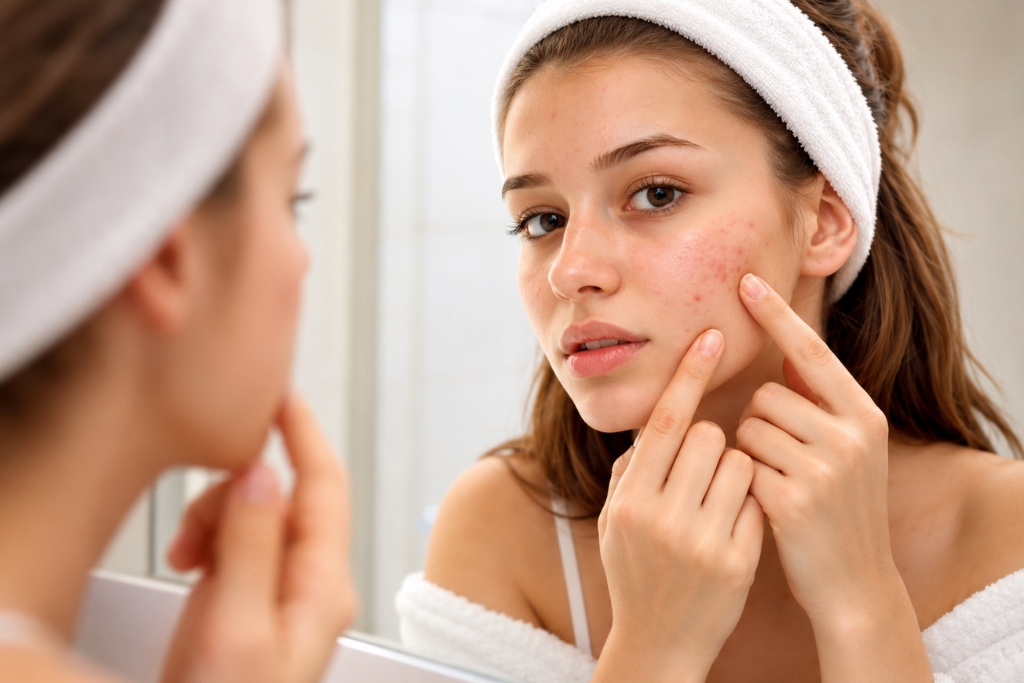
Skin dermatology
Facial health signs can be easy to dismiss because most people first think of skincare, sleep, stress, or a bad reaction to a new product. And honestly, that’s fair. Not every spot or patch means something serious. But when facial changes stay, spread, or appear suddenly, they can sometimes point to deeper health warning signs.
Your face reacts to blood flow, hormones, liver function, immune activity, and inflammation. That’s why skin dermatology often looks beyond the surface. A rash, color change, new growth, or sudden drooping can act like a visible clue from inside the body. The goal isn’t to panic over every blemish. It’s to notice what’s unusual for you.
Facial health signs in color changes
Skin color health warnings are some of the clearest body health indicators. A dull, pale, yellow, or flushed look can reflect what’s happening with blood, oxygen, liver function, or inflammation.
Yellowing of the skin or the whites of the eyes is one of the most important signs to take seriously. These yellow eyes, or jaundice signs, can happen when bilirubin builds up in the body, which may relate to liver, gallbladder, or pancreas issues. Mayo Clinic notes that jaundice can appear with liver disease symptoms such as dark urine, pale stool, itching, nausea, loss of appetite, and tiredness.
Pale or washed-out skin can also tell a story. A pale-skinned vitamin deficiency look may be linked with anemia, often connected to low iron or certain B vitamins. If it comes with weakness, dizziness, breathlessness, or constant fatigue, it deserves a medical check.
A simple clarity point: skin tone varies widely, so “pale” or “yellow” may look different depending on your natural complexion. Check your eyes, inner eyelids, lips, palms, and any sudden change from your own baseline.
Rashes that deserve attention
A facial rash, a medical condition, can look like irritation, but some patterns carry more meaning. One classic example is a butterfly-shaped rash across both cheeks and the bridge of the nose. This is often discussed in connection with lupus, an autoimmune condition where the immune system attacks healthy tissue. Cleveland Clinic describes lupus rash, or malar rash, as spreading across the nose and both cheeks in a butterfly-like shape.
That doesn’t mean every red cheek rash is lupus. Rosacea, allergies, sun exposure, product reactions, and infections can also change the skin. Still, a persistent rash that keeps returning, worsens in sunlight, or comes with joint pain, fever, mouth sores, or fatigue should not be brushed aside. Facial health signs become more important when they come as a pattern, not a one-off.
Bumps, plaques, and skin growths
Not every bump is acne. Some skin conditions appear as soft yellowish patches around the eyelids, often called xanthelasma. These deposits can be linked with higher cholesterol or lipid imbalance, which may raise concern for heart and blood vessel health.
Then there are moles. A changing mole is one of those medical symptoms people delay checking, usually because it doesn’t hurt. That’s risky. The ABCDE method helps look for asymmetry, border changes, color variation, diameter growth, and evolving shape or texture. The American Academy of Dermatology lists irregular borders, uneven color, and change over time among warning signs worth checking.
Lesson learned from real skin checks: people often notice a mole changed months before booking an appointment. Taking a photo in the same lighting once a month makes that change harder to ignore.
Hair growth and hormonal clues
Unexplained facial hair growth, especially coarse hair around the chin, jawline, or upper lip in women, can signal a hormonal imbalance. One common link is PCOS, which can affect periods, skin, weight, fertility, and metabolic health.
This doesn’t mean one random hair is a problem. Many people get those. But sudden, thicker, or fast-spreading hair growth alongside acne, irregular periods, or weight changes is worth discussing with a healthcare professional.
Face mapping can help here, but not in the trendy social media way. The useful version is simple: track what changed, when it started, and whether it came with other symptoms.
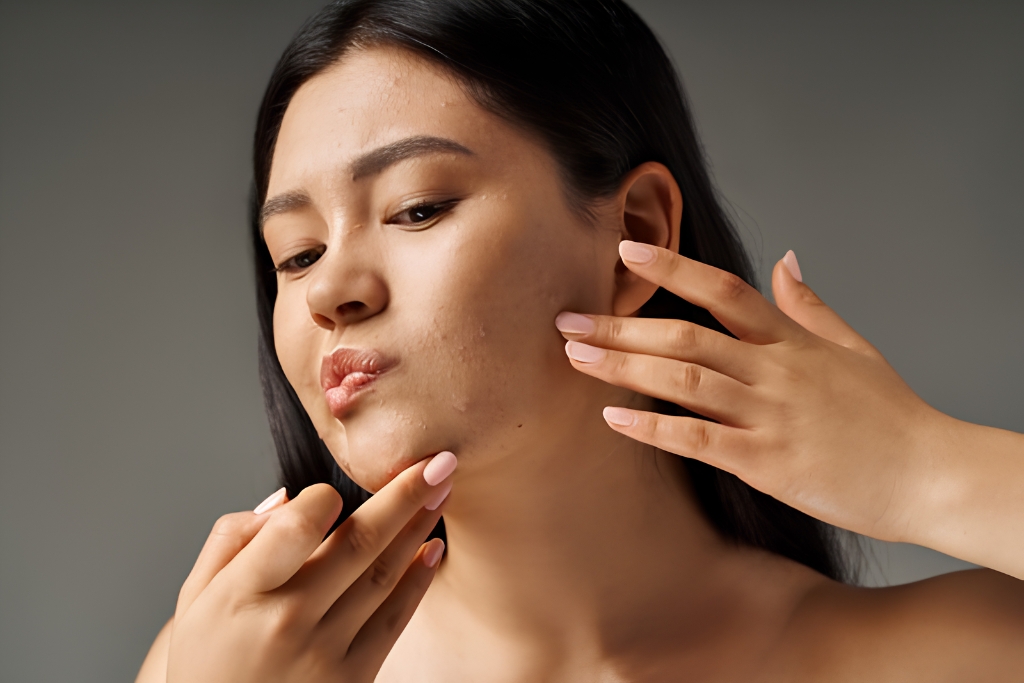
Facial health signs
Quick face check to build into your routine
- Look at the whites of your eyes for yellowing.
- Check whether your inner lower eyelid looks unusually pale.
- Notice rashes that keep returning or spread across both cheeks.
- Take monthly photos of moles that look different.
- Feel around the eyelids for soft yellow plaques.
- Track new facial hair growth if it appears suddenly.
- Act quickly if one side of the face droops or feels numb.
Sudden facial drooping, weakness, numbness, confusion, trouble speaking, vision trouble, dizziness, or severe headache can be signs of stroke. The CDC advises calling emergency services right away if these symptoms appear.
What your skin says about your health
Facial health signs are not a diagnosis by themselves. They are signals. Sometimes the answer is simple, like irritation, dryness, or a missing nutrient. Other times, facial symptoms of underlying medical conditions can point toward liver strain, autoimmune activity, hormonal imbalance, cholesterol issues, anemia, or urgent vascular problems.
The smart move is not fear. It’s attention. Unexpected changes in your face that signal illness should be tracked, photographed when useful, and checked if they persist or appear suddenly. Your skin is part of your body’s warning system, and treating it that way can support better preventive health without turning every mirror check into stress.