GLP-1 heat wave risks and safe drug storage
GLP-1 heat wave risks
GLP-1 heat wave risks deserve attention because extreme heat can affect both the person taking the medication and the medication itself.
That is easy to overlook.
Many people using GLP-1 medications are focused on diabetes management, weight loss, appetite control, or improving metabolic health. Those goals matter. But when temperatures rise, the routine needs a few extra safety checks. Heat changes the body. It also changes how carefully prescriptions need to be stored.
Why heat matters more on GLP-1 medications
GLP-1 medications slow digestion and help regulate appetite. Some people also feel full sooner, eat less, and notice fewer hunger signals.
That can be helpful.
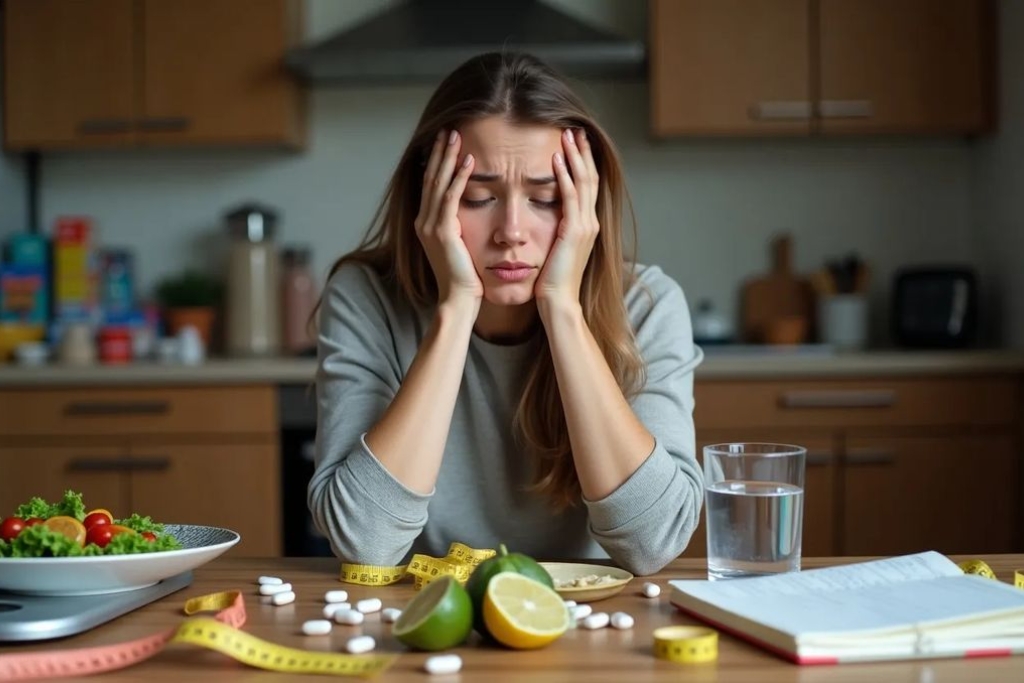
But during a heat wave, it can create a quiet problem. If appetite and thirst cues feel weaker than usual, a person may not drink enough until dehydration has already started.
Dehydration means the body does not have enough fluid to function well. In hot weather, fluid loss increases through sweat. Add reduced food intake, nausea, vomiting, diarrhea, or low thirst, and the risk rises quickly. This is where GLP-1 heat wave risks become practical, not theoretical.
The dehydration problem
Dehydration from weight loss drugs can sneak up.
Some people do not feel thirsty. Others avoid drinking because they already feel full or slightly nauseous. A few may cut meals so much that they also reduce fluid-rich foods like fruit, soups, yogurt, or vegetables.
That matters.
Water supports circulation, digestion, temperature control, and kidney function. In heat, the body needs even more help to cool itself. Watch for dry mouth, dark urine, dizziness, headache, weakness, fast heartbeat, confusion, or very low urine output. These can point to dehydration or heat exhaustion.
Heat exhaustion is not something to push through. Move to a cooler place, sip fluids, use cool cloths, and seek medical help if symptoms worsen or do not improve.
GLP-1 heat wave risks and medication storage
GLP-1 heat wave risks are not only about hydration. They also involve medication storage. Most injectable GLP-1 drugs are sensitive to temperature because they are peptide-based medicines. Peptides are chains of amino acids that can lose stability if exposed to the wrong conditions.
In simple terms, too much heat can damage the medicine. This is why medication storage rules matter. Pens should not sit in a hot car, on a sunny windowsill, inside a gym bag, or near a stove. A parked car can become dangerously hot in minutes.
If the solution looks cloudy, discolored, or has particles, do not use it. Follow the product instructions and speak to a pharmacist. Do not try to “fix” overheated medication by cooling it again. Once a peptide medicine is damaged by heat, refrigeration may not restore it.
What happens if semaglutide gets too hot
Semaglutide peptide denaturation sounds complicated, but the idea is simple. Heat can change the structure of the medicine. When that structure changes, the medicine may not work as expected.
For someone using semaglutide for diabetes management, reduced potency may affect blood sugar control. For someone using it as a weight loss drug, it may interrupt expected results.
The bigger issue is uncertainty.
You may not know exactly how long the pen was exposed or how hot it became. That is why safe temperature for Wegovy, Ozempic, and similar prescriptions should be checked from the official medication guide, pharmacy label, or prescriber instructions. When unsure, ask the pharmacist before injecting.
Summer safety habits for GLP-1 users
A few small habits can lower risk during hot weather.
- Drink on a schedule, not only when thirsty.
- Keep water nearby during travel, work, and errands.
- Add electrolytes if sweating heavily or eating very little.
- Avoid leaving pens in cars, checked luggage, or direct sun.
- Use an insulated medication case during travel.
- Keep pens away from ice packs unless protected from freezing.
- Check the medication window before each dose.
- Watch for dizziness, nausea, weakness, or dark urine.
- Avoid intense outdoor exercise during peak heat.
- Ask your clinician what to do if vomiting or diarrhea occurs.
This is basic prescription care, but it becomes more important in summer.
GLP-1 medications
Travel needs extra planning
Travel can create storage problems fast. Airport delays, hot rideshare cars, beach bags, outdoor events, and hotel rooms without reliable cooling can all put medication at risk.
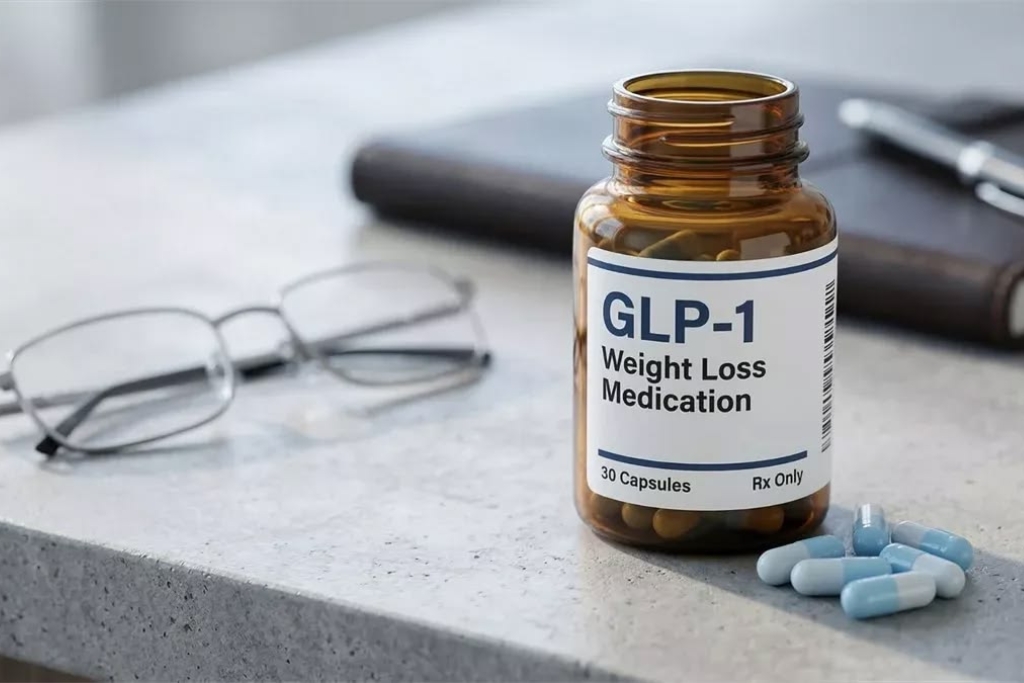
Use a dedicated medical travel pouch when carrying injectable GLP-1 medications. Keep the prescription in original packaging when possible. Do not place the pen directly against frozen gel packs because freezing can also damage the medication.
Storing GLP-1 drugs in summer is about balance.
Not too hot. Not frozen. Protected from light when required.
When to contact a clinician
Speak with a healthcare professional if heat causes repeated nausea, vomiting, diarrhea, faintness, or trouble drinking enough fluids.
People with diabetes should be especially careful. Heat, dehydration, lower food intake, and medication changes can affect glucose patterns. Failed insulin absorption heat concerns are more specific to insulin users, but anyone managing blood sugar should take temperature-related changes seriously.
Seek urgent care for confusion, fainting, severe weakness, chest pain, inability to keep fluids down, or signs of heat stroke. Do not wait.
Conclusion
GLP-1 heat wave risks are manageable, but they need planning. Extreme heat can increase dehydration risks, especially when appetite and thirst cues feel lower than usual. It can also damage temperature-sensitive prescriptions if pens are stored in cars, direct sun, or overheated rooms. Patients using GLP-1 medications should build simple summer habits: drink regularly, monitor symptoms, protect medication during travel, and ask a pharmacist if a pen may have overheated. These drugs can support important health goals, but during a heat wave, safety starts with hydration, storage, and paying attention to early warning signs.