Find the Right Skincare Balance With Adult Acne Treatments
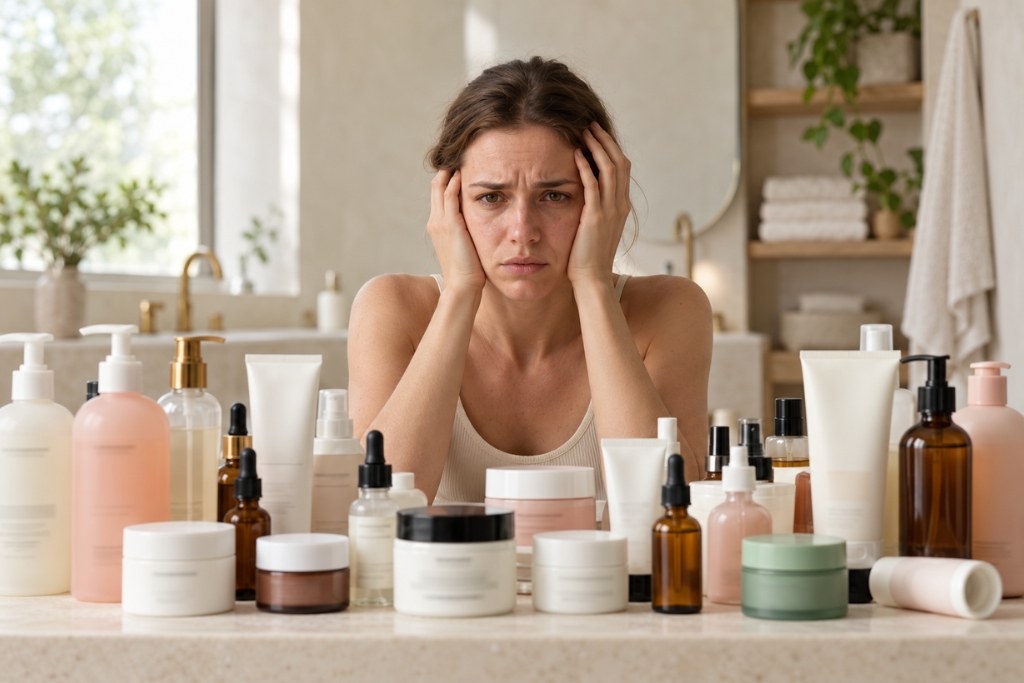
adult acne treatments
Finding another painful spot before work can feel unfair, especially when the teenage years are well behind you. Adult acne treatments can help, but choosing between cleansers, acids, and prescription options gets confusing fast. The temptation is to attack everything at once. That usually makes the routine harder to tolerate.
Adult acne is real, but there are ways to treat it. Start with the type of breakout you’re experiencing, keep basic skincare gentle, and give treatment enough time to work.
Why Breakouts Continue Into Adulthood
To know why adults get acne, you have to start by understanding what occurs within a pore. Pimples can be caused by oil and dead skin cells blocking pores, as well as inflammation and acne-related bacteria. Adult acne can be caused by hormonal changes, stress, certain medications, and hair or skin care products that block pores. Acne may persist from adolescence or develop for the first time later on.
Breakouts on your jawline could be a sign of a hormonal trend, but the location isn’t the whole story. Be alert to timing, new products, and other changes, without presuming that every chin spot calls for hormonal treatment. Adult skin is greasy, dry, or reactive. Choose a product for how it actually behaves, not for age as a skin type.
Match Adult Acne Treatments to the Breakout
For mild blackheads, whiteheads, and small pimples, nonprescription options can be useful. Salicylic acid helps unclog pores. Adapalene is a topical retinoid that helps unclog pores and pimples. Azelaic acid is able to treat acne and remove the dark patches that remain.
Benzoyl peroxide is useful for mild inflammatory pimples and decreases microorganisms linked with acne. Starting with a lower-strength product, such as 2.5%, can limit irritation. Stronger doesn’t automatically mean better. When comparing blemish control products, read the active ingredient rather than the promise on the front. Introduce one treatment initially and follow its directions.
Cosmetic retinol for acne isn’t interchangeable with adapalene or prescription retinoids. Their formulations and evidence differ, so don’t assume any “retinol serum” provides the same treatment.
Keep the Daily Routine Simple
The best skincare routine for adult acne is one your skin tolerates and you can repeat. It doesn’t need seven steps. In the morning, cleanse gently, moisturize as needed, and use sunscreen. At night, remove makeup, cleanse, and apply the chosen treatment as directed. There’s no requirement to double-cleanse every evening.
Gentle acne cleansers should leave skin comfortable rather than tight. Wash with your fingertips instead of scrubbing with brushes or rough cloths. Cleaning up to twice daily and after sweating is usually enough. A clear skin routine also needs sun protection. Choose a non-comedogenic, broad-spectrum SPF 30 or higher. Picking and unprotected sun exposure can make post-breakout marks more troublesome.
Give the Treatment a Fair Chance
Adult acne treatments rarely deliver overnight changes. Early improvement may take four to eight weeks, while fuller clearing can take several months. Switching products every few days makes progress difficult to judge and can irritate skin. Take occasional photos in similar lighting instead of inspecting every pore throughout the day.
If a product causes significant burning, swelling, or a rash, stop using it and seek advice. Persistent irritation isn’t something to push through for results. Adjusting treatment can be more useful than abandoning skincare altogether.
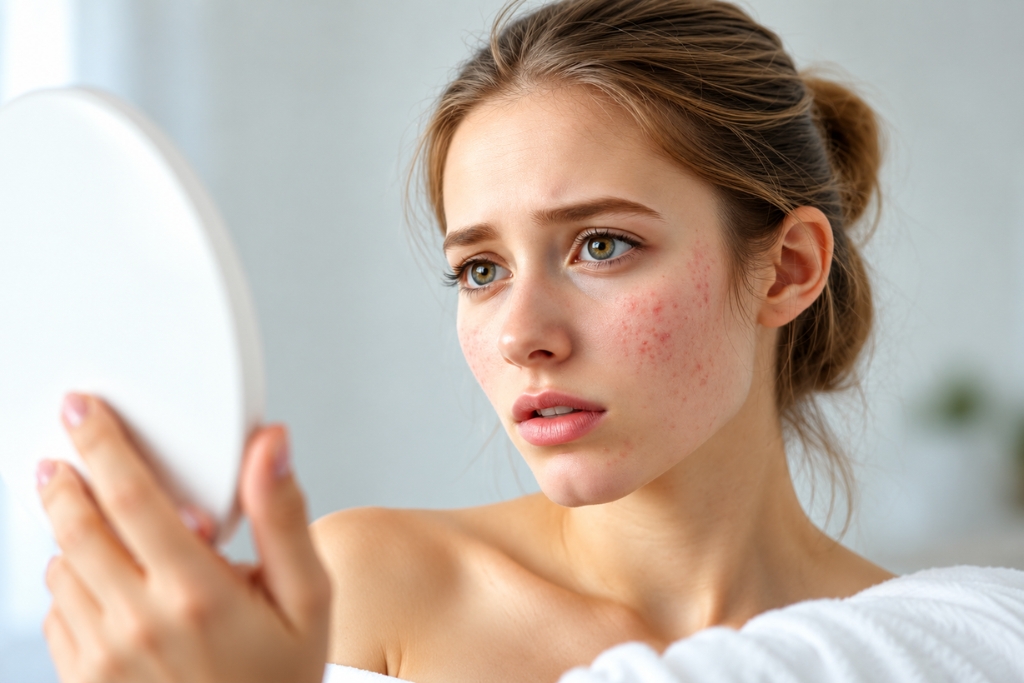 hormonal acne solution
Everyday Habits That Support Treatment
These practical dermatologist acne tips keep the routine manageable:
- Choose moisturizer, makeup, and sunscreen labeled non-comedogenic.
- Keep oily hair products away from acne-prone skin.
- Remove makeup before bed without aggressive rubbing.
- Avoid picking, squeezing, or using toothpaste on pimples.
- Add new active ingredients gradually rather than simultaneously.
- Follow treatment instructions consistently.
These habits support adult acne treatments; they don’t replace appropriate medication when deeper inflammation needs attention.
When Hormonal or Prescription Help Makes Sense
Adult cystic acne is characterized by deep, painful lesions that are unlikely to be treated with over-the-counter treatments. Get fast help for breakouts that scar, cause pain repeatedly, or leave lasting marks. Hormonal acne treatments such as spironolactone or certain combination birth control tablets may be used for appropriate people. Other prescription therapies may be needed for severe acne. The choice depends on your medical history and your unique risk factors.
If pregnant or trying to conceive, discuss treatment before starting it. Retinoids, including adapalene, are generally avoided during pregnancy. The most effective adult acne treatments combine appropriate medication with comfortable everyday care. Keep the routine steady, resist picking, and seek professional help when pain, scarring, or slow progress makes self-treatment frustrating. Clearer skin is a reasonable goal, but it shouldn’t require constant irritation or a bathroom shelf full of products.