Safe Home Care Tips for an Ingrown Toenail Fix
ingrown toenail fix
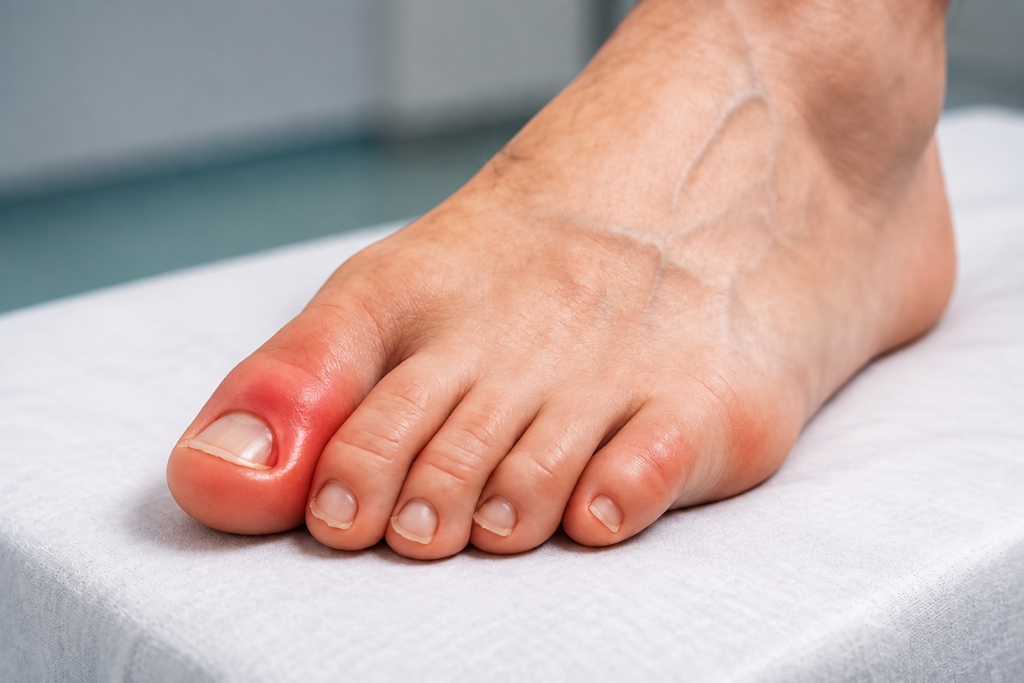
A painful, swollen toe can make simple activities like walking, exercising, or wearing shoes uncomfortable. An ingrown toenail fix often becomes a priority when the nail edge starts growing into the surrounding skin, causing tenderness, redness, and pressure.
Many people searching for how to fix an ingrown toenail at home come across the dental floss trick. The idea sounds simple: place floss under the nail edge to lift it away from the skin. But does this method actually help, and is it safe?
Understanding proper home foot care, hygiene, and when professional help is needed can prevent a minor toenail issue from becoming a bigger problem.
Why Ingrown Toenails Become Painful
An ingrown toenail happens when the side or corner of the toenail grows into the soft skin around it. This creates irritation and inflammation, especially around the nail fold.
Several everyday habits can increase the risk:
- Cutting toenails too short or rounding the edges.
- Wearing tight shoes that push against the toes.
- Repeated pressure from sports or walking.
- Poor foot hygiene or moisture buildup.
A mild case may cause slight tenderness, while a more advanced painful ingrown toenail can lead to swelling, warmth, drainage, and difficulty walking. The earlier it is addressed, the easier it is to manage.
Does Dental Floss Work for Ingrown Toenails?
The dental floss trick has become a popular ingrown toenail remedy because it aims to gently lift the nail away from the skin. The technique involves placing a small piece of clean, waxed, unflavored dental floss beneath the nail corner after softening the area with warm water.
The goal is simple: reduce pressure by creating a small gap between the nail and the irritated skin.
However, caution matters. Using dental floss or toenail methods incorrectly can introduce bacteria, especially if the skin is already broken. Flavored floss, dirty tools, or changing the floss too rarely can increase irritation. Dental floss may provide temporary relief for mild cases, but it does not permanently correct the nail growth pattern.
| Home Treatment | Safety Level | Best Used For |
| Warm Epsom salt soak | High safety | Softening skin and reducing mild swelling |
| Dental floss lifting | Moderate caution | Minor nail pressure without infection |
| Keeping the area clean and protected | High safety | Supporting recovery |
| Cutting deeply into the nail at home | Unsafe | Not recommended due to infection risk |
How to Safely Use the Dental Floss Method
If you are considering lifting an ingrown toenail with dental floss, hygiene should come first.
A safer approach includes:
- Soften the toe with a warm soak for 15–20 minutes.
- Wash your hands and use clean tools.
- Choose plain, waxed, unflavored dental floss.
- Gently place the floss under the nail edge without forcing it.
- Replace the floss daily to avoid bacterial buildup.
Never push floss under the nail if it causes sharp pain or resistance. The goal is gentle lifting, not forcing the nail upward.
 home foot care
Better Home Foot Care Steps for Relief
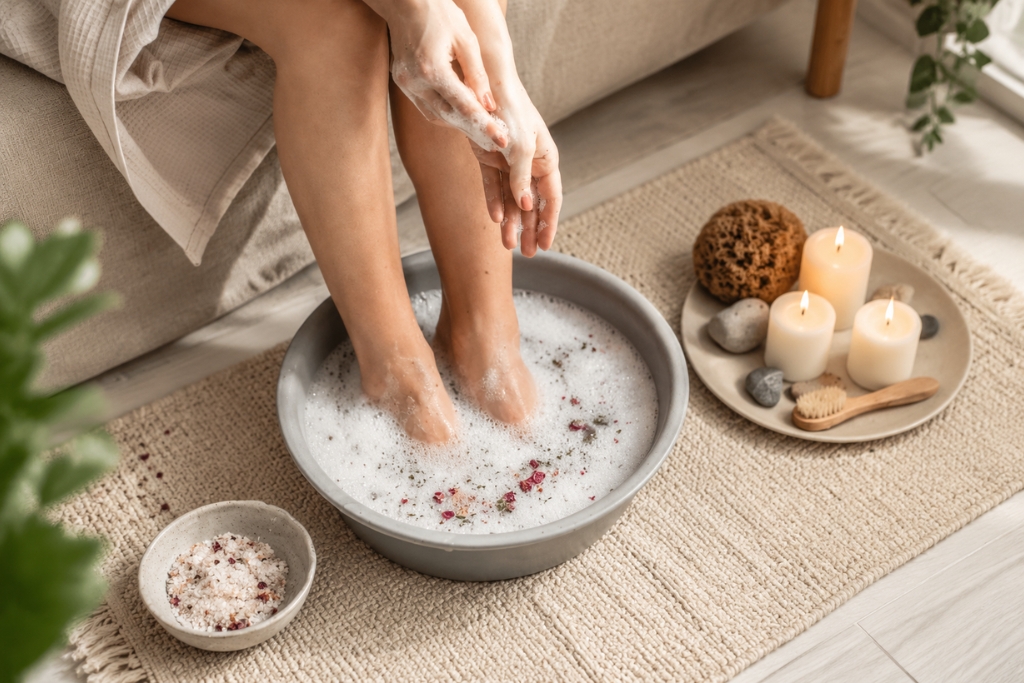
For many mild cases, basic home foot care works better than aggressive techniques. Start with a warm Epsom salt soak. It can soften the nail and surrounding skin while helping reduce discomfort.
After soaking:
- Dry the foot completely.
- Apply a clean protective ointment if needed.
- Wear loose footwear to reduce pressure.
- Avoid cutting deeper into the nail corner.
These simple habits support healing and reduce the chance of worsening irritation.
3 Steps to Prevent Ingrown Toenails
Preventing the problem is often easier than treating it later.
- Trim Nails Correctly
Cut toenails straight across instead of rounding the corners. Avoid cutting them too short because the nail needs enough length to grow forward naturally.
- Choose Comfortable Footwear
Shoes that squeeze the toes can constantly push the nail into surrounding skin. Select footwear with enough space around the front of the foot.
- Maintain Daily Foot Hygiene
Keeping feet clean and dry helps reduce irritation. Regular washing, drying between toes, and changing socks can support healthier nails. These foot hygiene tips are simple but effective long-term habits.
When to See a Podiatrist
Home treatments are generally better suited for mild cases. Professional care may be needed if there is:
- Pus or signs of infection.
- Increasing redness or swelling.
- Severe throbbing pain.
- Difficulty walking.
- Diabetes, circulation problems, or other health concerns.
Knowing when to see a podiatrist for ingrown toenail symptoms can prevent complications. A specialist can safely remove the problematic nail portion and recommend treatment based on the severity.
Final Thoughts
An ingrown toenail fix at home can sometimes reduce discomfort when the problem is mild. The dental floss trick may help lift the nail edge temporarily, but it requires careful hygiene and should never replace professional care when infection or severe pain develops. Warm soaks, proper nail trimming, comfortable footwear, and consistent foot care remain the foundation for healthier toes. The best approach is not just treating the irritation today but preventing the same problem from returning.