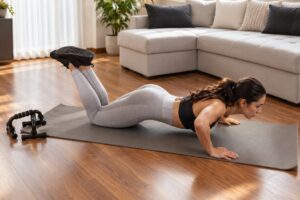
Posture and Mood Research Reveals a Mind-Body Connection
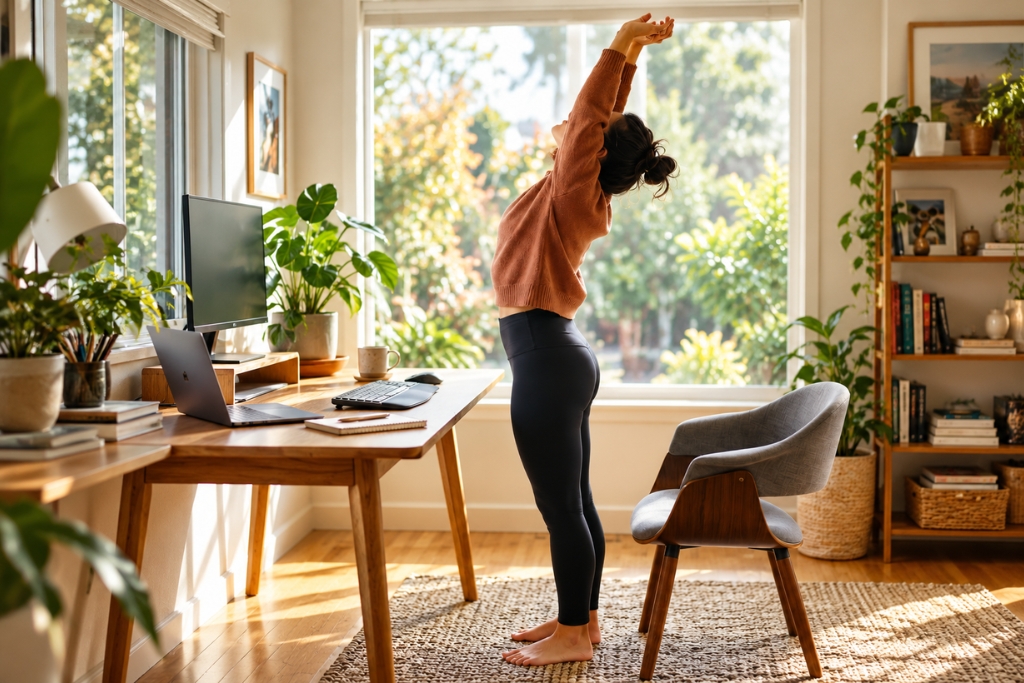
posture and mood
When concentration fades halfway through the afternoon, another coffee can seem like the obvious fix. But your physical comfort deserves a check, too. Research on posture and mood suggests that how you sit can influence how you feel—and possibly how you approach certain decisions.
That doesn’t mean slouching causes unhappiness or sitting straight makes someone smarter. The findings are more specific. Comfortable, upright positioning may offer a modest emotional lift without requiring a rigid stance or a complete workstation makeover.
What the Research Found About Posture and Mood
A recent study involving nearly 200 participants explored how body position affected feelings and risk-taking. Instead of directly instructing everyone to straighten up, researchers adjusted tablet height to encourage different postures.
This approach reduced participants’ awareness that posture was being manipulated. It helped address a familiar research problem: people sometimes change their behavior because they suspect what an experiment expects.
Participants encouraged into upright positions reported more positive feelings and performed better on a laboratory risk-taking task than comparison groups. The effects were modest and observed under controlled conditions.
The task involved inflating a virtual balloon to increase a potential reward while risking losing it if the balloon burst. That tests a particular kind of risk-taking. It doesn’t establish that upright sitting improves everyday judgment, financial choices, or general intelligence.
Why the Body Might Influence Feelings
One explanation for the connection between posture and mood is embodied cognition: the idea that thinking and feeling involve information from the body as well as the brain.
Body position may contribute to how people experience themselves. This helps explain interest in the posture confidence link and the wider field of posture psychology.
A large research review found clearer evidence for changes in self-perception than for behavioral effects. People generally felt better or more confident in upright or expansive positions than in contracted positions. However, the review found no evidence that these positions changed cortisol or testosterone levels.
Claims that slouching automatically raises stress hormones—or that straightening up sends extra oxygen to the brain and improves decisions—go beyond what these findings demonstrate. The possible mechanisms still need investigation.
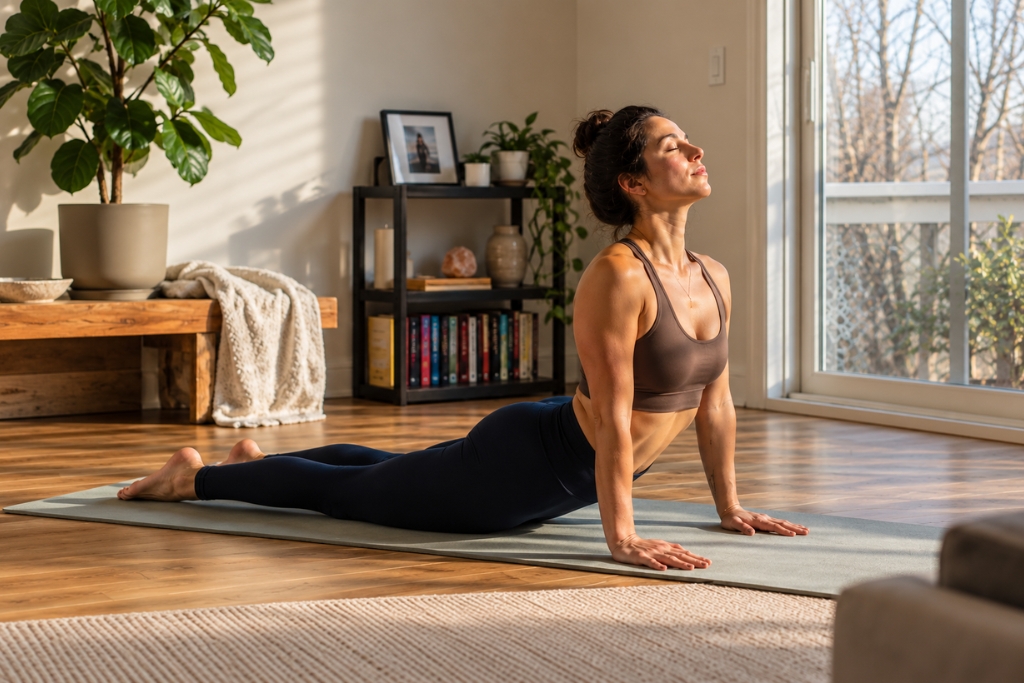 good posture benefits
Comfort Matters More Than Looking Perfect
Good posture benefits are often presented as a picture: ears over shoulders, chest lifted, and back straight. Real bodies and working conditions are more varied.
A useful starting point is a supported position that doesn’t require constant effort. Relaxed shoulders, supported feet, and a screen positioned comfortably in front can reduce awkward reaching and bending.
There’s no need to hold your shoulders back forcefully or keep your spine perfectly still. If “correcting” posture creates discomfort, ease off.
The practical lesson from posture and mood research is to notice your position, rather than police it. A brief adjustment may help you feel more settled, but it shouldn’t become another task to get wrong.
Correct Posture Tips That Fit a Workday
Small changes are easier to repeat when the setup supports them:
- Rest your feet on the floor or a suitable footrest.
- Support your lower back and let your shoulders relax.
- Place the monitor directly ahead, with its top at or slightly below eye level.
- Bring the keyboard and mouse close enough to avoid reaching.
- Change positions regularly and take brief movement breaks.
These adjustments support physical posture health without demanding a fixed pose. For prolonged laptop work, a raised screen paired with a separate keyboard can make comfortable positioning easier. Keep the arrangement suited to your vision and mobility needs.
Use Movement as Part of the Reset
Before answering a difficult message or returning to demanding work, pause. Unclench your jaw, settle into a supported position, and notice whether anything feels strained.
A short walk or gentle, comfortable movement can accompany that pause. It isn’t a tested formula for better decisions.
Yoga can also provide a setting to practice body awareness. Choose accessible positions rather than forcing a particular shape, especially if pain or limited mobility affects movement.
Keep the Findings in Perspective
The relationship between posture and mood is promising, but it offers a small addition to everyday self-care rather than a shortcut to mental clarity. Try comfortable support, regular position changes, and brief pauses to notice how you feel. Persistent pain, fatigue, or low mood deserves attention beyond posture adjustments. The most useful goal is a body that feels supported while you work, move, and rest.