Eat Better on Busy Days With Dietitian Recommended Foods
dietitian recommended foods
Dietitians recommended foods tend to be ordinary groceries: beans, leafy greens, yogurt, fruit, whole grains, fish, nuts, and olive oil. Their appeal comes from useful nutrients and flexibility. They help you assemble balanced meals without buying expensive powders or learning a new recipe every night.
If eating better keeps slipping behind work, family, and everything else, start with what’s easy to keep around. A realistic grocery list beats an ambitious one that spoils untouched.
You don’t need everything below. Choose foods you enjoy and can use in several meals.
Dietitian Recommended Foods Start With Practical Choices
The most useful daily nutrition staples do more than fill a nutritional gap. They make lunch possible when the fridge looks uninspiring. Beans can become soup, a salad, or taco filling. Yogurt works at breakfast and in a savory sauce. Frozen vegetables wait until you need them.
A whole food diet can include canned, frozen, and packaged foods. Processing alone doesn’t tell you whether something belongs in a balanced meal. Fresh, frozen, and canned produce can all be nutritious choices. That takes some pressure off shopping.
Beans and Lentils Earn Their Pantry Space
Chickpeas, black beans, and lentils supply plant protein and fiber. They’re versatile enough to anchor a meal or stretch another ingredient further. Stir lentils into tomato sauce, mash chickpeas into sandwich filling, or combine black beans with rice and vegetables. Nothing elaborate required.
For dietitian meal planning, canned options remove the soaking and cooking steps. Choose lower-sodium versions when available, and rinse and drain canned beans before adding them to meals. Among dietitian-recommended foods, these are especially useful when convenience decides what ends up on your plate.
Greens and Fruit Without the Waste
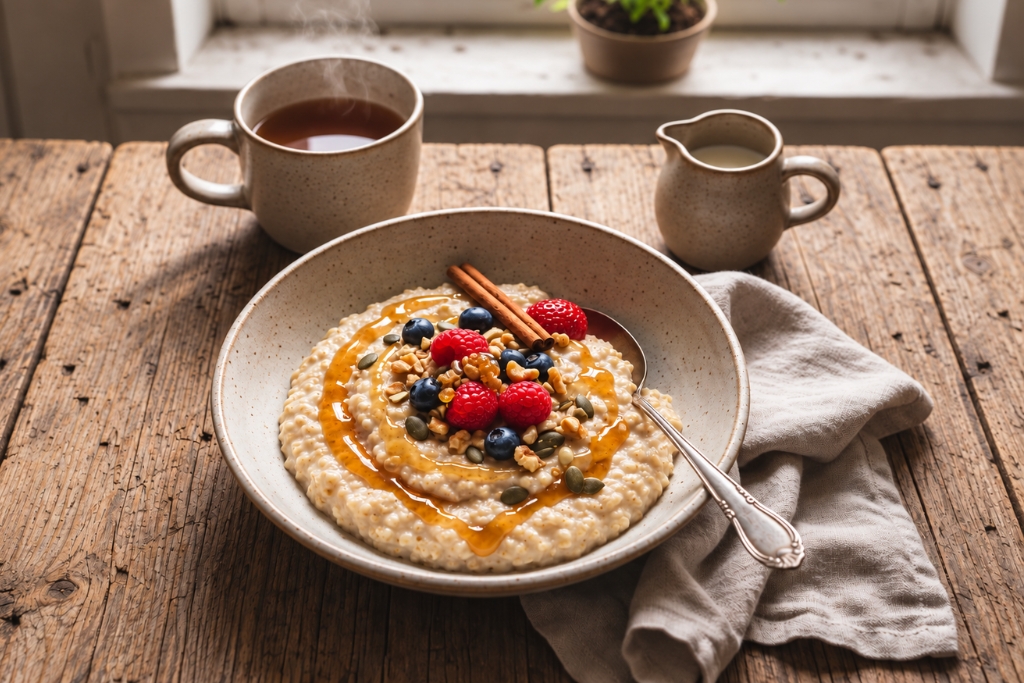
Spinach, kale, and other vegetables bring variety to the week. Add greens to eggs, soups, or pasta rather than expecting yourself to eat a large salad daily. Fruit deserves the same practical approach. Keep apples or citrus visible, and use frozen berries in oatmeal or yogurt.
Frozen produce doesn’t have exactly the same nutrient content as every fresh equivalent. Storage, preparation, and the particular food affect the comparison. Still, frozen options can support a nutritious routine and reduce waste. Buy a smaller amount of fresh produce if you regularly throw it away. That’s useful feedback, not a failure.
Yogurt Makes a Flexible Fridge Staple
Plain Greek yogurt offers protein and calcium in a form that takes very little preparation. Add fruit and oats for breakfast, or mix it with lemon and herbs for a dressing. Kefir offers another fermented dairy option. Look for live cultures if that’s a feature you want, but don’t assume every fermented product provides the same probiotic benefits.
Dairy-free? Compare labels for protein, calcium, and added sugar. Fortified soy alternatives can provide important nutrients, while other plant-based products vary considerably. The best dietitian recommended foods that fit your preferences and tolerance. There’s no benefit in stocking something you avoid eating.
Fish and Olive Oil Do Different Jobs
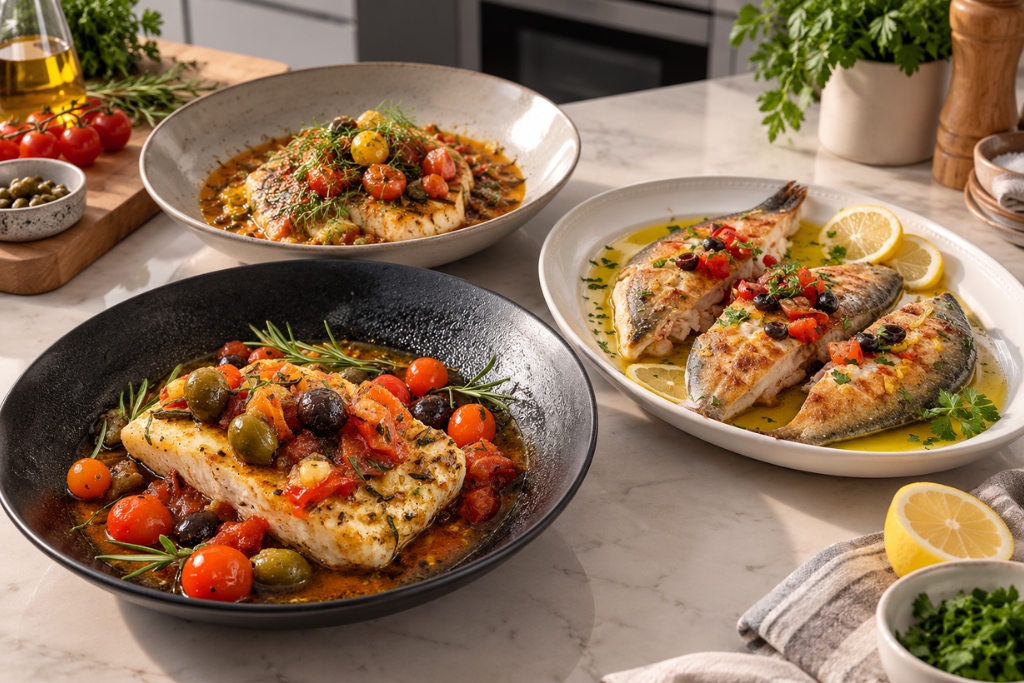
Salmon provides protein and the omega-3 fats EPA and DHA. Canned fish can make the preparation easier, especially for lunches. These fats occur in seafood, including salmon and sardines. Olive oil belongs in the kitchen for a different reason: it supplies mostly unsaturated fat and works in cooking or dressings. It isn’t a comparable source of EPA and DHA.
Replacing some saturated fat with unsaturated oils can support heart health; simply adding oil to an unchanged diet isn’t the same swap. Keep the focus on meals. Neither ingredient needs a “superfood staples” label to be useful.
 healthy grocery list
A Healthy Grocery List You Can Actually Use
Build your weekly list around a few flexible choices:
- Beans or lentils for soups, bowls, and quick lunches.
- Greens and frozen vegetables for easy meal additions.
- Plain yogurt or a suitable fortified alternative.
- Fruit you enjoy, including frozen options.
- Oats, brown rice, or another whole grain.
- Fish, eggs, tofu, or other preferred protein.
- Nuts, seeds, and olive oil for flavor and variety.
Choose ingredients that overlap across meals before buying specialty items for one recipe. That makes everyday healthy foods easier to use up.
Make Consistency Easier Than Perfection
Dietitians recommended foods work best as a starting point, not a rigid menu. Keep a few dependable ingredients available, prepare what saves you time, and leave space for foods you enjoy. Healthy eating habits grow from meals you can repeat comfortably. A pantry that helps you feed yourself on a busy Wednesday is more useful than one built around perfect intentions.