Why Sharing Nail Clippers Can Put Nail Health at Risk
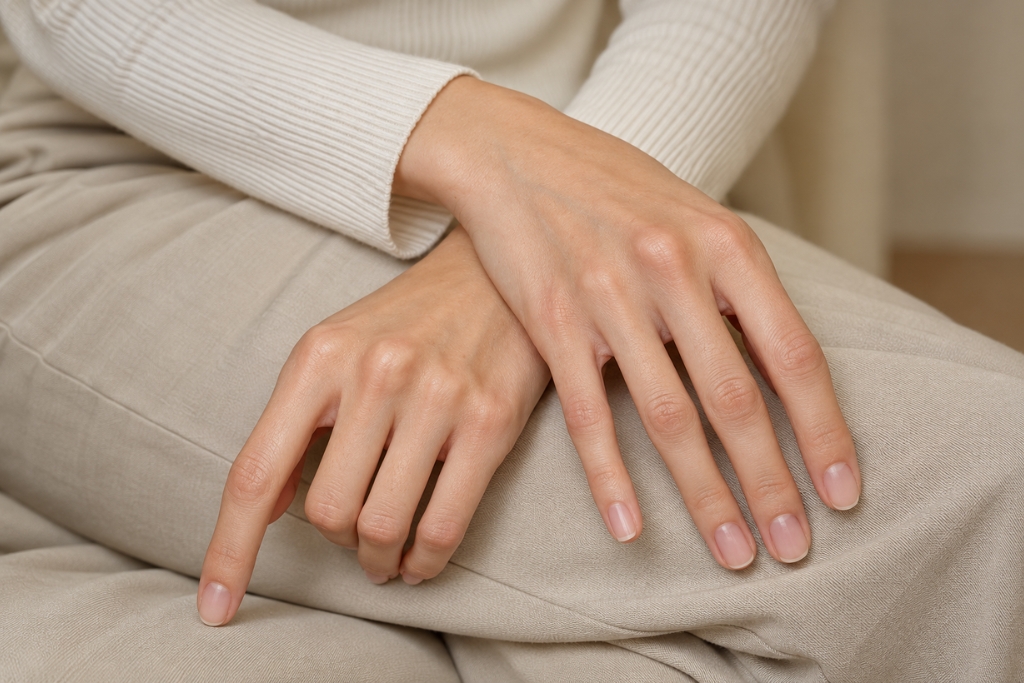
sharing nail clippers
Keeping your nails tidy shouldn’t leave you worrying about an infection. Yet sharing nail clippers can transfer germs between people, even when the tool looks clean. If your household has always used one pair, there’s no reason to panic. A few changes can make your grooming routine more hygienic.
The concern involves contaminated tools, nail debris, and small breaks in the surrounding skin. Borrowing clippers doesn’t guarantee an infection, but keeping a personal set removes an avoidable route of exposure.
Why Sharing Nail Clippers Deserves a Rethink
Clippers collect fragments from nails and nearby skin. Without proper cleaning, that material can move to the next person’s nails. Fungi can spread through inadequately sanitized clippers, while contaminated grooming equipment can also harbor bacteria.
Small cuts around the nail give germs an entry point. Trimming too closely or damaging the cuticle can weaken that protective barrier. The cuticle helps protect against infection, so avoid cutting it or forcefully pushing it back. This is one of the most useful dermatologist nail tips for everyday nail care safety.
That explains why you shouldn’t share nail clippers routinely. Familiarity with the previous user doesn’t tell you whether the tool carries germs.
How Fungus Travels Between Nails
Can you get a fungal infection from clippers? Yes. Sharing nail clippers that haven’t been properly sanitized is one recognized way to pick up nail fungus. The same tool can also transfer fungus from an infected nail to unaffected nails on your own hands or feet.
Onychomycosis is the medical term for a fungal nail infection. It can cause discoloration, thickening, or a brittle, crumbly texture. Spreading nail fungus is particularly frustrating because visible improvement takes time as the nail grows.
A changed nail isn’t automatically a fungal infection. Other conditions can look similar, so persistent changes deserve assessment rather than guesswork. Onychomycosis prevention starts with clean tools, but suspected infection needs appropriate diagnosis.
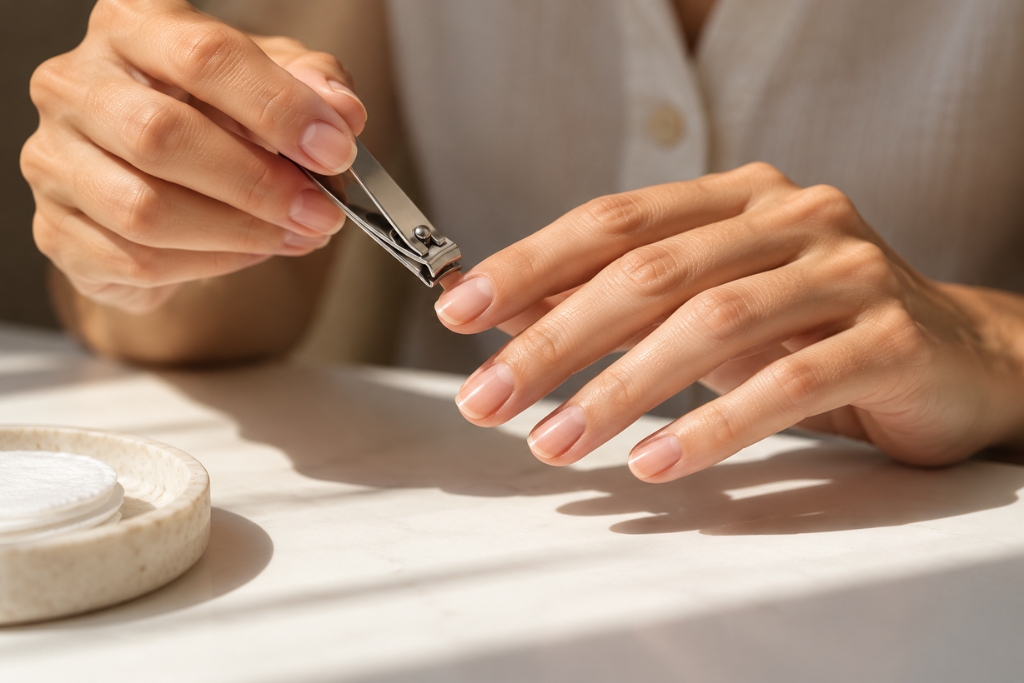 nail tool hygiene
Clean First, Then Disinfect
Disinfecting nail clippers starts with removing nail dust and visible debris. Wash suitable metal tools with soap and water, paying attention to the blades and hinge. Dry them before applying an appropriate disinfectant.
Choose a product compatible with the tool and follow its directions, including the required contact time. A quick wipe isn’t necessarily enough.
For disinfecting shared nail clippers properly, avoid assuming that a universal ten-minute alcohol soak handles every organism. Cleaning, disinfection, and sterilization are different processes; home disinfection should not be described as making tools sterile. Alcohol also isn’t a guaranteed solution against every type of germ.
Allow tools to dry fully before storage. Replace clippers that are rusty, damaged, or difficult to clean. Keeping clean equipment separate from used tools helps prevent contamination afterward.
Personal Hygiene Rules for Nail Care
Good nail tool hygiene works best when the routine is easy to repeat:
- Keep personal grooming tools in a labeled pouch or separate compartment.
- Clean clippers and files before use, even when nobody else borrows them.
- Keep fingernail and toenail tools separate, especially when infection is suspected.
- Don’t share porous emery boards or buffers that are difficult to disinfect.
- Trim carefully without cutting surrounding skin or removing cuticles.
- Keep nails clean and dry, and address athlete’s foot to reduce opportunities for fungus to spread.
Know When a Nail Needs Attention
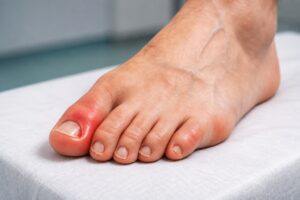
Painful swelling, redness, or pus around a nail can indicate a bacterial nail infection. Persistent thickening, crumbling, or lifting also deserves attention. Avoid repeatedly clipping away abnormal areas or borrowing someone else’s tools to manage them.
Seek prompt medical advice for spreading redness, worsening pain, or fever. People with diabetes, poor circulation, or weakened immunity should get advice early about nail infections or injuries.
Sharing nail clippers is an easy habit to change without turning grooming into a complicated ritual. Give everyone their own set, clean reusable equipment properly, and protect the skin around each nail. These steps reduce avoidable exposure while keeping everyday nail care manageable.