How to Preserve Muscle While Using Weight-Loss Jabs
muscle loss prevention
Weight-loss injections like Wegovy and Mounjaro are changing how people approach dieting because they take down the biggest barrier most people face: appetite. When hunger isn’t constantly pulling at you, eating less feels more natural, and weight loss often happens faster.
But there’s a side you need to stay aware of. When you eat less overall, you don’t just reduce calories, you can also reduce nutrients without meaning to. That’s where problems like fatigue, low mood, brain fog, weaker bones, and muscle loss can start showing up. The goal isn’t just “losing weight.” It’s staying strong and healthy while your body changes.
This is where a GLP-1 Companion Diet makes a difference. It isn’t restrictive. It’s simply about making every bite count when your portions are smaller.
Why Eating Less Can Work Against Your Health
When your appetite drops, you may drift into “snack mode.” You might nibble instead of eating real meals, skip protein because it feels too filling, or pick whatever feels easiest when you’re slightly nauseous. Over time, that can quietly reduce your intake of key nutrients.
And this is why focusing on body composition over BMI matters. Losing fat can be helpful, but losing too much muscle at the same time can leave you feeling weaker, not healthier.
Fiber Helps When Digestion Slows
Fiber is one of the most protective nutrients you can prioritize. It supports digestion, helps regulate gut bacteria, lowers cholesterol, and is linked with better long-term heart health.
It becomes even more important while on weight-loss jabs because these medications slow digestion. When food moves more slowly through your system, it can increase side effects like bloating, nausea, and constipation. Fiber helps food move through your gut more smoothly, which can make the entire experience more manageable.
Soluble fiber is often easier to tolerate because it softens stools and supports digestion without feeling too harsh. You’ll find it in fruits and vegetables, plus well-cooked beans and lentils.
One helpful strategy is “fiber stacking,” meaning you layer small amounts of fiber-rich foods across the day instead of forcing one huge high-fiber meal.
Bone Support
Eating less can put your bones at risk if calcium and vitamin D intake drop too low. Over time, bone mass can decrease, and fractures can become more likely. This matters even more if you’re older or going through menopause, since bone loss is already accelerated.
Vitamin D is especially important because it helps your body absorb calcium effectively. Mackerel is one of the few natural food sources of vitamin D, so it’s a strong option when you can tolerate it. Eggs and shiitake mushrooms also contribute, but winter months often make vitamin D harder to maintain since sunlight exposure (your best source) is limited.
Muscle Preservation
When your calorie or protein intake becomes too low, your body may break down muscle for energy. That can reduce strength and lower your energy, and it may leave you feeling physically “flat,” even if weight loss is happening.
This is why Muscle Preservation and Sarcopenia Prevention should be built into your plan from the start. Research has shown that a significant portion of weight lost on these medications can be lean body mass, which makes protein intake and weight lifting especially important.
A useful daily target is 1.2g to 1.6g of protein per kilogram of body weight, ideally spaced across smaller meals. That also supports Metabolic Flexibility, helping your body stay stronger as it adapts to eating less.

protein intake for weight loss
Smart Protein Sources That Don’t Feel Heavy
When appetite is low, protein can feel “too much,” especially if it’s greasy or dense. But you can still hit your numbers by focusing on smart protein sources and a good protein-to-calorie ratio, meaning you get more protein without needing a large volume of food.
Here are easy ways to layer protein without making meals feel overwhelming:
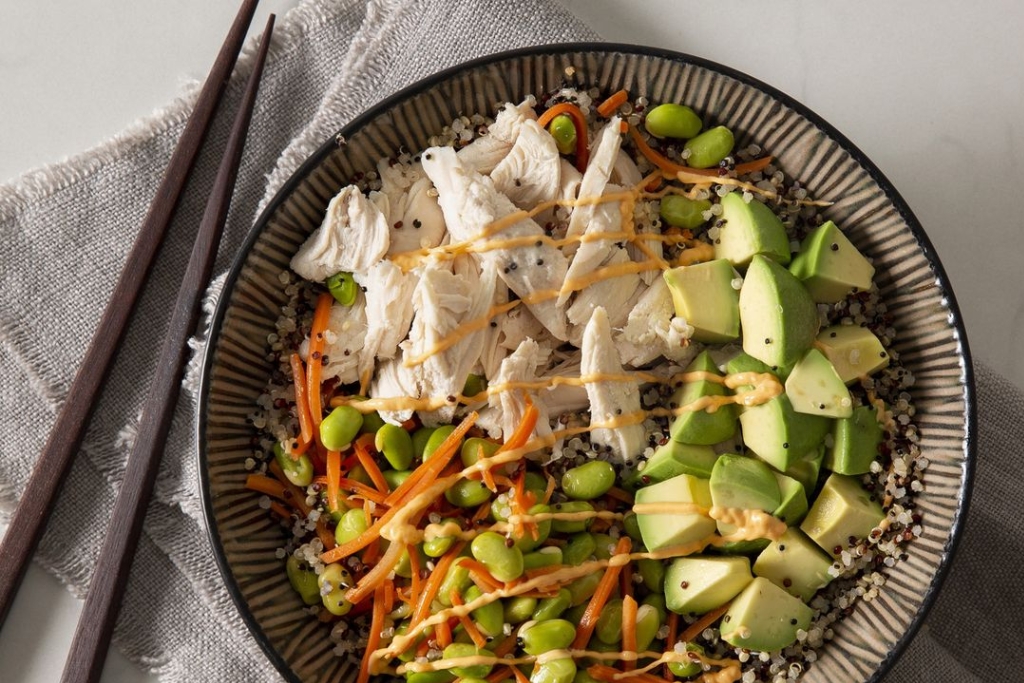
- Chicken combined with edamame beans
- Greek yogurt used in sauces or dressings
- Adding an egg to a meal for a quick protein boost
- Chia seeds or nut butter mixed into oats or snacks
This kind of layering also helps with Ozempic side-effect management, because lighter protein choices can feel easier to digest.
Brain Health
When you’re eating less, you may fall short on iron and B vitamins, and that can show up mentally before it shows up physically. Low iron can affect energy metabolism and cognitive function. B vitamins support energy production and brain function.
To protect brain health while portions are smaller, prioritize iron-rich foods like beans, lentils, pulses, dark leafy vegetables, nuts, and seeds. If your iron source is plant-based, pairing it with vitamin C foods like tomatoes or red peppers helps your body absorb more of it. For B vitamins, animal foods matter most, such as eggs, fish, seafood, and dairy.
Heart Support
Many people accessing weight-loss jabs are starting out with a higher BMI and may also have higher cholesterol or triglycerides. Omega-3 intake can support heart health by improving cholesterol levels and reducing inflammation.
Oily fish is the best source, but if heavy foods trigger indigestion, plant-based sources can still help. Nuts, seeds, green vegetables, and quinoa contribute omega-3s too, even if they aren’t absorbed as efficiently.
Conclusion
Weight-loss jabs can make appetite smaller, but your nutrition still needs structure. When you commit to fiber for gut support, vitamin D for bones, and protein for muscle preservation, you’re not just losing weight—you’re protecting your strength, clarity, and long-term health. The best outcome isn’t simply being lighter. It’s feeling more resilient, more stable, and genuinely better as the weight comes off.