Muscle-Safe Fat Loss With the Protein-Fiber

Muscle-safe fat loss
If you have been following weight loss trends in 2026, you have likely noticed a clear shift. The conversation is no longer centered on strict calorie cutting. Instead, it is focused on structure, muscle preservation, and metabolic satiety. That shift is being called the protein-fiber pivot, and it has quickly become the defining Post-Ozempic nutrition strategy.
Whether you are using a GLP-1 medication or simply inspired by how those drugs reduce appetite, the question becomes practical: how do you eat in a way that protects your body while supporting fat loss? The answer lies in balancing protein and fiber rather than obsessing over restriction.
Why the Protein-Fiber Pivot Matters Now
GLP-1 medications such as semaglutide have shown how powerful appetite regulation can be. But rapid weight loss has also exposed certain downsides. Muscle loss and visible facial thinning, sometimes referred to as “Ozempic face,” are often signs that protein intake has not kept up with fat loss.
The protein-fiber pivot works as a muscle preservation diet while also supporting healthy satiety. By combining high-quality protein with High-fiber foods, you create a built-in anchor that keeps you full and metabolically steady. This approach supports Muscle preservation and reduces the likelihood of losing lean tissue during weight reduction.
At the same time, Fibermaxxing 2026 has gained momentum. Fiber is no longer an afterthought. It has become central to any serious Gut health diet and Metabolic satiety guide. Fiber slows digestion, stabilizes blood sugar, and feeds beneficial gut bacteria. That combination helps reinforce healthy satiety rather than willpower alone.
The 35g Fiber/30 g Protein Rule
A practical way to follow the Protein-Fiber Pivot blueprint is through what many call the 35g fiber/30 g protein rule. Instead of focusing on total daily calories first, you prioritize hitting roughly 30 grams of protein and building toward about 35 grams of fiber per day.
Protein serves as your structural foundation. It keeps the anabolic processes active, supports collagen production, and helps maintain strength. Fiber acts as your regulator. It slows stomach emptying and enhances Satiety nutrition by influencing hunger hormones.
You can implement this in simple steps:
- Aim for about 30 grams of protein at each main meal.
- Work up gradually to around 35 grams of total daily fiber.
- Spread fiber intake evenly to avoid digestive discomfort.
Lean meats, Greek yogurt, tempeh, and wild-caught fish are strong protein options. On the fiber side, chia seeds, lentils, raspberries, and cabbage offer high returns without extreme calorie load. Fibermaxxing 2026 strategies often emphasize whole foods over supplements, allowing you to build Healthy satiety naturally.
How to Use the Protein-Fiber Pivot for Natural GLP-1 Satiety
You may wonder how to use the protein-fiber pivot for natural GLP-1 satiety without medication. The key lies in sequencing and composition.
When you start your meal with vegetables or other fiber-rich foods, you slow down the absorption of what follows. Following that with protein further stabilizes blood sugar. Starches can come last. This order supports gradual digestion and mimics some of the fullness signals seen in a GLP-1 diet.
Soluble fiber deserves special attention. Found in oats, beans, and chia, it forms a gel-like substance in the gut. That gel supports Healthy satiety and may encourage the natural release of hormones involved in appetite control.
Hydration is also critical. Fiber requires adequate water. Without it, you risk bloating rather than metabolic satiety. As you increase fiber intake, increase fluid intake as well to maintain digestive comfort.
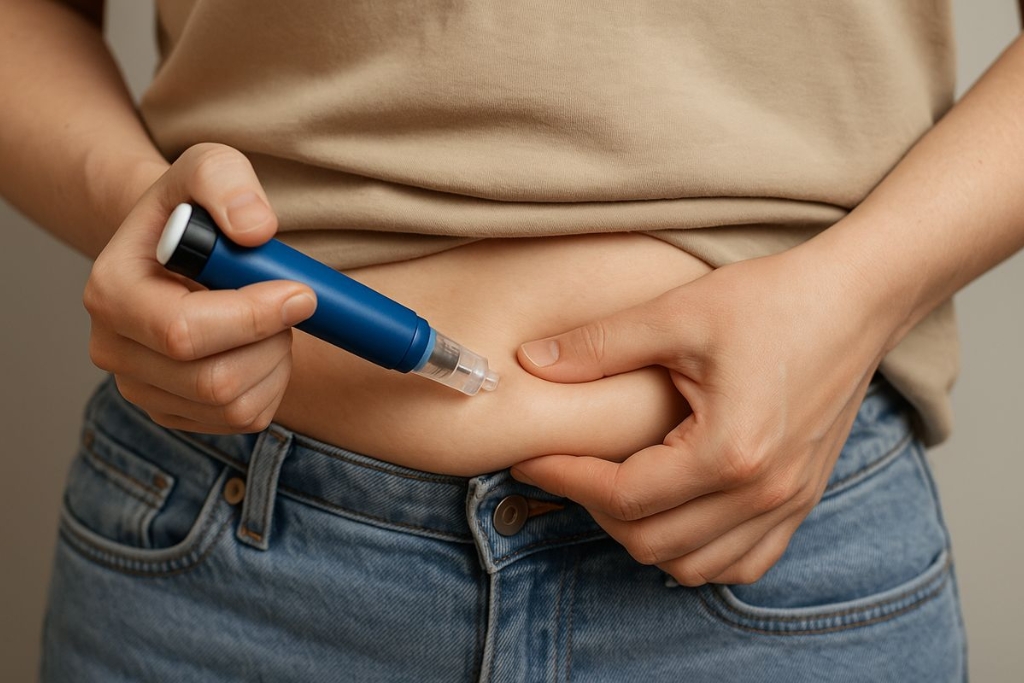
Post-Ozempic Dose
Muscle-Safe Weight Loss and Appearance
One reason the protein-fiber pivot has become so prominent in Post-Ozempic nutrition discussions is appearance. Rapid weight loss without adequate protein can lead to a gaunt or drawn look. That is not a cosmetic issue alone; it reflects a lack of structural support.
By consistently hitting protein targets, you provide the building blocks necessary for muscle-safe weight loss. When paired with resistance training at least twice per week, you encourage fat loss rather than lean mass reduction.
This approach supports not just Metabolism boost but also long-term resilience. Muscle tissue is metabolically active. Preserving it protects your resting metabolic rate and reduces the risk of rebound weight gain.
A Shift From Deprivation to Structure
Older dieting methods often centered on deprivation. The protein-fiber pivot represents a structural shift. You are no longer asking, “How little can I eat?” Instead, you are asking, “How can I build meals that protect muscle and regulate hunger?”
That mindset reflects the broader evolution of Weight loss trends 2026. You focus on quality, not just quantity. You align GLP-1 companion nutrition principles with whole-food habits rather than chasing extremes.
In the end, the protein-fiber shift isn’t about following a doctor’s order. You need to know why metabolic satisfaction is important and plan your meals around that. When you regularly put protein for keeping muscles and fiber for gut health first, you build a solid foundation for long-term fat loss.
The plan is easy to understand and very effective. You keep lean muscle tissue safe, help your digestive system work well, and ease the mental stress of being hungry all the time. That system will be worth more in the long run than any short-term fix.