How to Tell If Your Flakes Are Dandruff or a Dry Scalp

Itchy scalp remedies
When the weather turns cold and the air gets drier, your scalp usually feels it before anything else. One day you run your hand through your hair and suddenly there they are, tiny white flakes that show up on your sweater and make you wonder what’s gone wrong. It’s easy to assume it’s dandruff, but most people don’t realize how often winter dryness is actually the real culprit. Figuring out the difference matters, because each one needs a different kind of care, especially when you’re trying to keep your Winter Skin Barrier steady with gentler, more Sustainable Skincare habits.
Why Dry Scalp Happens
A dry scalp is basically your skin asking for help. Cold wind outside, dry heat indoors, and not enough humidity all pull moisture out of your scalp faster than it can keep up. When that protective layer breaks down, the skin doesn’t hold oils well, so you end up with irritation, tightness, and those small, papery flakes that fall off easily.
Your hair might notice it too; roots can feel rough or straw-like because there’s not enough natural oil making its way down the strands. Add harsh shampoos or overwashing to the mix, and winter dryness becomes even worse, especially if you’re trying to follow Clean Beauty routines but your products are stripping more than they’re helping.
Signs You’re Dealing With a Dry Scalp
A dry scalp usually sends signals long before you see flakes. You may feel:
- Tightness after showering
- Itchiness that feels more annoying than painful
- Small, dry flakes (not oily, not yellow)
- Hair that looks dull near the roots
- Sensitivity when using strong or alcohol-heavy products
When several of these show up at once, dryness is almost always part of the story.
Dry Scalp or Dandruff? Here’s How to Tell
Dry scalp and dandruff often get mixed up because the flakes look similar at first. But they’re not the same.
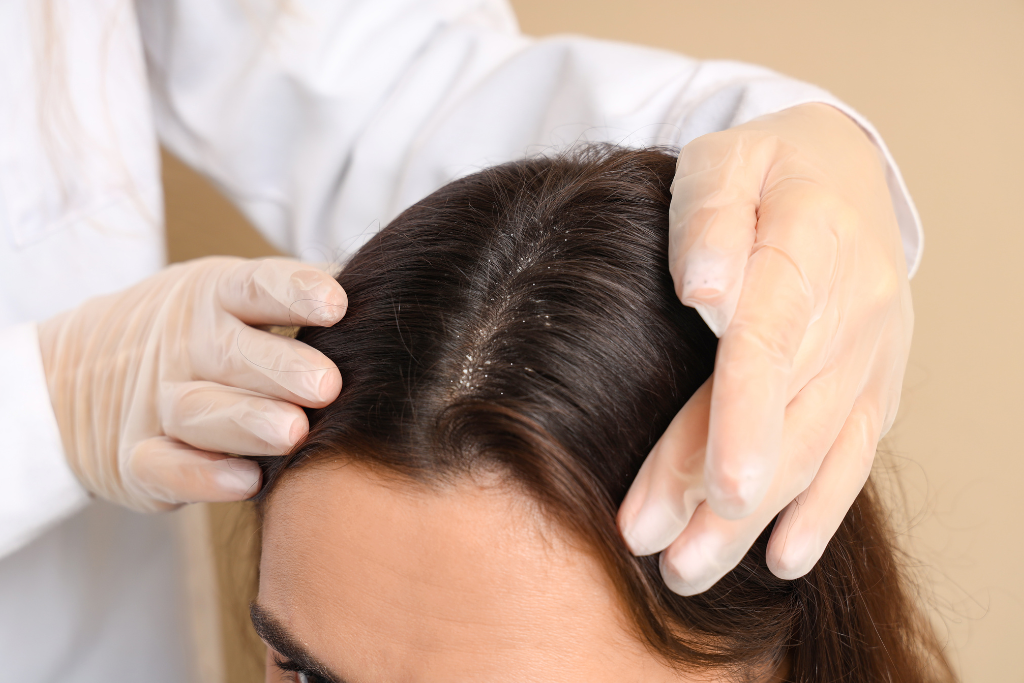
Dry scalp is a moisture problem. Your skin isn’t producing enough oil or it’s losing hydration too quickly. The flakes are small, dry, and light. Your scalp might feel tight and a bit itchy.
Dandruff, on the other hand, happens when oil and yeast on the scalp become unbalanced. The flakes get larger, often look a little oily or yellow, and itching tends to be more intense. Sometimes there’s redness too.
It’s also possible to have both, oily roots with dehydrated skin underneath, especially in winter when your oil production doesn’t keep up with the cold. In that case, you need a combination approach: hydration plus something to keep yeast under control.
How to Calm and Rebalance a Dry Scalp
Most cases of dry scalp respond well to small changes in your routine. Think of it as a Self-Care Ritual for your scalp, especially during colder months when the skin barrier needs more attention.
Use a Gentler Shampoo
Swap harsh formulas for sulfate-free options that focus on moisture. Ingredients like aloe, glycerin, hyaluronic acid, or colloidal oatmeal help restore comfort without stripping the scalp.
Add Scalp-Friendly Oils
Light oils like jojoba or sunflower seed oil support the scalp’s barrier the same way ceramide-rich moisturizers support facial skin in winter. These oils help lock in hydration and keep irritation down.
Winter skin barrier care
Exfoliate Carefully
A mild exfoliating product with lactic acid can lift dead skin without the downside of a rough scrub. It keeps flakes from building up and gives your hydrating products a better chance to work.
Bring In Dandruff Shampoo (Only If Needed)
If your flakes look oily or larger, alternating with a dandruff shampoo may help. Ingredients like ketoconazole or zinc pyrithione can balance yeast without drying the scalp further.
When You Should See a Specialist
If your scalp feels irritated regardless of what you do, or you start seeing redness, cracking, or persistent discomfort, getting a professional opinion is smart. Conditions like eczema or psoriasis can show up exactly like dryness and need specific care.
A dermatologist can recommend medicated shampoos, scalp-soothing treatments, or prescription options that calm inflammation. Most people start feeling relief within a week or two once they switch to a routine that fits their scalp type, but chronic dryness may need more time.
Keeping Your Scalp Comfortable All Winter
Dry scalp tends to flare during winter, but a consistent routine can keep it under control. Using hydrating formulas, limiting overwashing, and choosing Clean Beauty products that don’t strip oils can make a noticeable difference. Niacinamide and panthenol benefits can help strengthen the scalp barrier the same way they support facial skin, and simple habits like applying products within the “30-second rule” after washing work for scalp care too.
Conclusion
Flakes may look the same, but the cause behind them isn’t always identical. Knowing whether you’re dealing with dryness or dandruff helps you pick the right routine and avoid irritation that keeps coming back. With steady care and the right products, you can protect your scalp through winter, support your skin barrier, and keep your hair feeling healthier — without the worry of flakes showing up at the worst possible time.