Is Cottage Cheese Better Than Yogurt for Nutrition?
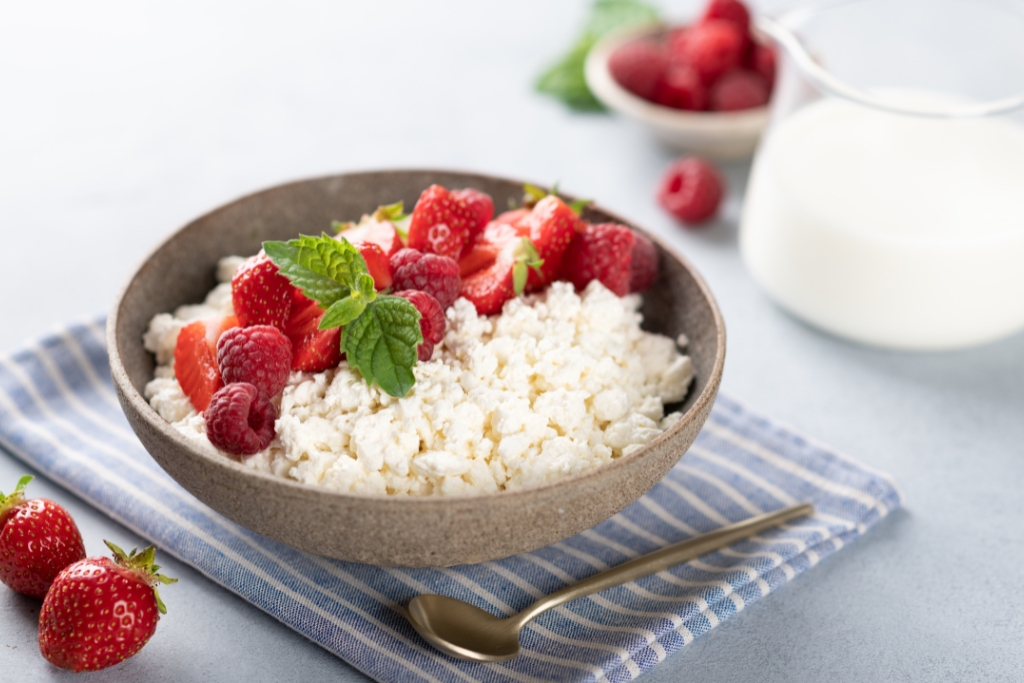
Cottage Cheese
In 2025, if you follow Functional Foods or Sustainable food trends, you may have seen that cottage cheese and yogurt are both making a comeback. Each one has its own mix of vitamins, bacteria, and protein, and both can help the Gut-Brain Axis when they are part of a healthy diet. Still, which choice is better for you relies on whether you need more protein, more bacteria, or just more variety in your High-Protein Meals.
Protein Breakdown
For most people, protein is the deciding factor. Cottage cheese typically delivers 12 to 15 grams per serving, making it helpful when you want something quick or need a base for You can easily prepare high-protein, low-sugar dessert recipes to boost your energy levels quickly. Greek yogurt offers a similar amount—around 10 to 17 grams—largely due to the straining process that concentrates nutrients and reduces natural sugars. Regular yogurt has slightly less, usually between 8 and 12 grams.
One distinction worth noting is that Greek yogurt is considered a complete protein, meaning it contains all nine essential amino acids. Cottage cheese is still a strong contender, especially if you prioritize high-protein desserts or versatile ingredients that fit in snacks and meals without much effort.
Vitamins and minerals
Both foods support an Anti-inflammatory Diet with useful amounts of calcium, potassium, and vitamin B12. Greek yogurt typically has the edge, offering just a bit more of these nutrients.But the biggest difference is between sodium and magnesium. Greek yogurt includes about 75 milligrams of salt, but a cup of cottage cheese can have up to 680 mg. Yogurt has nearly twice as much magnesium as cottage cheese, therefore the amounts are likewise different.
These variations are important if you want to improve your long-term health or get the most nutrients for greater brain health, especially if you’re looking at Brain Health Foods or Foods high in choline and iodine.
Probiotics and Digestive Support
One of yogurt’s strongest advantages is its natural probiotic content. Because yogurt is always made through fermentation, you get live and active cultures that support digestion and immunity. These cultures also contribute to psychobiotic benefits, especially if you’re trying to support the gut-brain connection with Postbiotics or other gut-friendly foods.
Cottage cheese, on the other hand, may or may not contain probiotics. Some brands ferment the milk, while others simply acidify it. To know for sure, you need to check whether the label lists live cultures or specific strains like Lactobacillus. Without those, you won’t receive the same digestive or immune benefits.
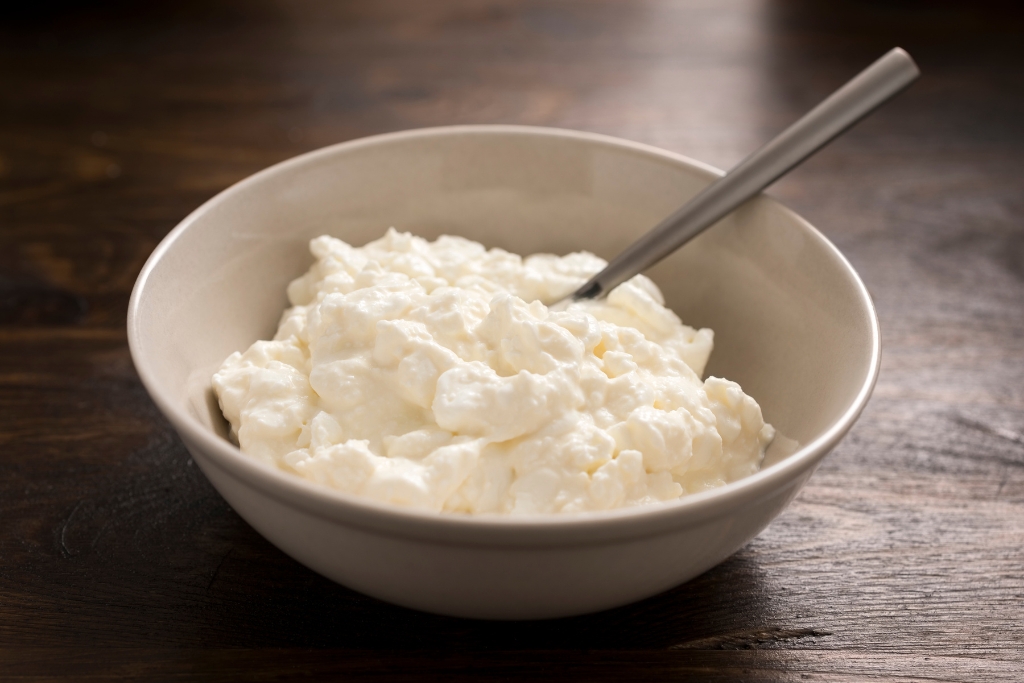
anti-inflammatory eating
Fat Content and Taste Preferences
Fat content varies widely based on the version you choose. Full-fat cottage cheese delivers a creamier, richer texture, while reduced-fat options tend to be tangier and firmer. Yogurt behaves similarly—full-fat versions feel thick and smooth, and low-fat varieties can taste more tart.
Your ideal choice depends on your personal needs. Someone looking for extra calories, enhanced satiety, or support for High-Protein Meals may prefer full-fat options. Those managing weight or reducing saturated fat intake might find low-fat yogurt or cottage cheese a better fit. Both can be styled into Low-sugar immune-boosting recipes, depending on your preferences.
Which One Should You Pick?
When you compare the two side by side, there isn’t a single “better” option—it comes down to your goals. Choose yogurt if you want probiotics and a broader contribution to gut health. Pick cottage cheese if you want flexibility, a mild flavor, or something that blends easily into both savory and sweet dishes. When combined with ingredients rich in Omega-3s for Brain Health, both dairy staples can help round out your meals.
How to Add Both to Your Diet
Rotating the two is often the most practical approach. Each one supports different aspects of nutrition, and varying your choices helps diversify your nutrient intake.
Here are a few simple ways to include them:
- Build parfaits with fruit, nuts, spices, and either yogurt or cottage cheese
- Stir yogurt into marinades, creamy sauces, or dips
- Blend cottage cheese in smoothies, eggs, pasta dishes, or high-protein desserts.
- Pair either one with granola, seeds, or produce for a functional, low-sugar snack
These ideas support the Gut-Brain Axis while making it easy to incorporate more protein and beneficial nutrients into daily meals.
Conclusion
So, is cottage cheese healthier than yogurt? The answer depends on what you want from your dairy choices. Cottage cheese gives you simplicity, versatility, and a reliable boost of protein. Yogurt offers probiotics, slightly richer micronutrients, and a texture that suits everything from breakfast bowls to baked goods. Using both allows you to enjoy their unique strengths and create a more balanced approach to nutrition. As you focus on long-term health, sustainable habits, and well-rounded eating patterns, rotating these two foods can keep your meals enjoyable, satisfying, and supportive of your wellness goals.