Medical Experts Share 3 Supplements for Cold Prevention
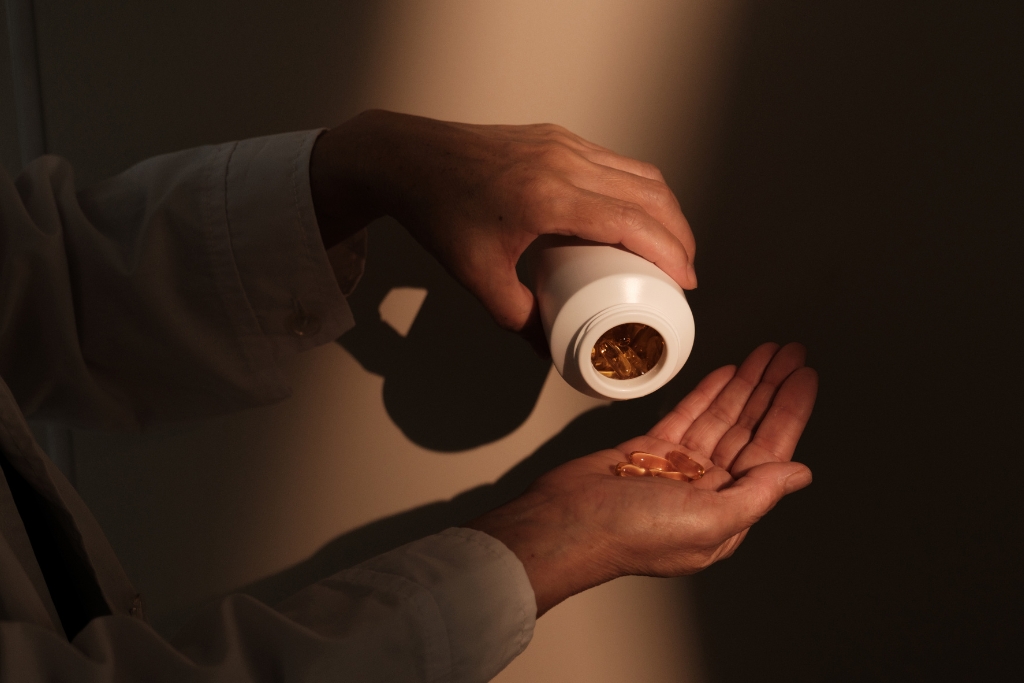
natural immunity boosters
The holiday season is packed with travel, late nights, crowded gatherings, and full calendars. It’s also the time of year when sniffles, sore throats, and lingering coughs seem to circulate endlessly. While no supplement can guarantee you won’t get sick, supporting your immune system ahead of time can make a meaningful difference. Timing, not just what you take, matters more than most people realize.
You might be tempted to reach for supplements only after the first sneeze shows up, but by then, your immune system is already playing catch-up. A preventive health approach works best when support starts before exposure, especially during periods of increased stress and seasonal illness.
Why Colds and Viruses Surge During the Holidays
Holiday routines often disrupt the habits that normally support your immune system. Sleep schedules slip. Travel increases exposure to germs. Sugar and alcohol intake rises. Stress levels climb. On top of that, winter brings lower sunlight exposure, which can affect vitamin D levels and immune resilience.
When your body is under consistent strain, it becomes less efficient at defending itself. This is one reason respiratory illnesses tend to spike during winter months, adding pressure to healthcare systems and contributing to ongoing NHS winter pressures in the UK and similar challenges elsewhere.
Supporting immunity early doesn’t mean chasing longevity drugs or experimental therapies. Often, it starts with well-researched nutrients used strategically and consistently.
Supplement #1: Vitamin C for Daily Immune Support
Vitamin C is one of the most widely used immune supplements, but its benefits depend heavily on consistency. Taking large doses after symptoms appear is unlikely to shorten illness meaningfully. Regular daily intake, however, may help reduce how long symptoms last if you do get sick.
Vitamin C supports immune cell function and helps your body respond more efficiently to infections. Many people can meet their needs through food alone, especially if your diet includes citrus fruits, bell peppers, strawberries, and broccoli. If you choose to supplement, moderation matters.
Very high doses can cause digestive discomfort and may increase kidney stone risk in susceptible individuals. For most people, lower daily doses are sufficient, especially when combined with food-based sources.
Supplement #2: Zinc When Symptoms First Appear
Zinc works differently than vitamin C. Instead of daily use, it appears most effective when taken right as symptoms begin — sometimes even before you’re sure you’re getting sick. Research suggests zinc may help shorten the duration and severity of common cold symptoms when used early.
Timing is critical. Short-term use during vulnerability periods or early illness is generally considered safe, but prolonged high intake can interfere with other essential minerals. Staying within recommended limits helps avoid side effects like nausea or copper deficiency.
Zinc supports immune signaling and antiviral activity, making it a useful short-term tool during cold season rather than a year-round supplement for most people.
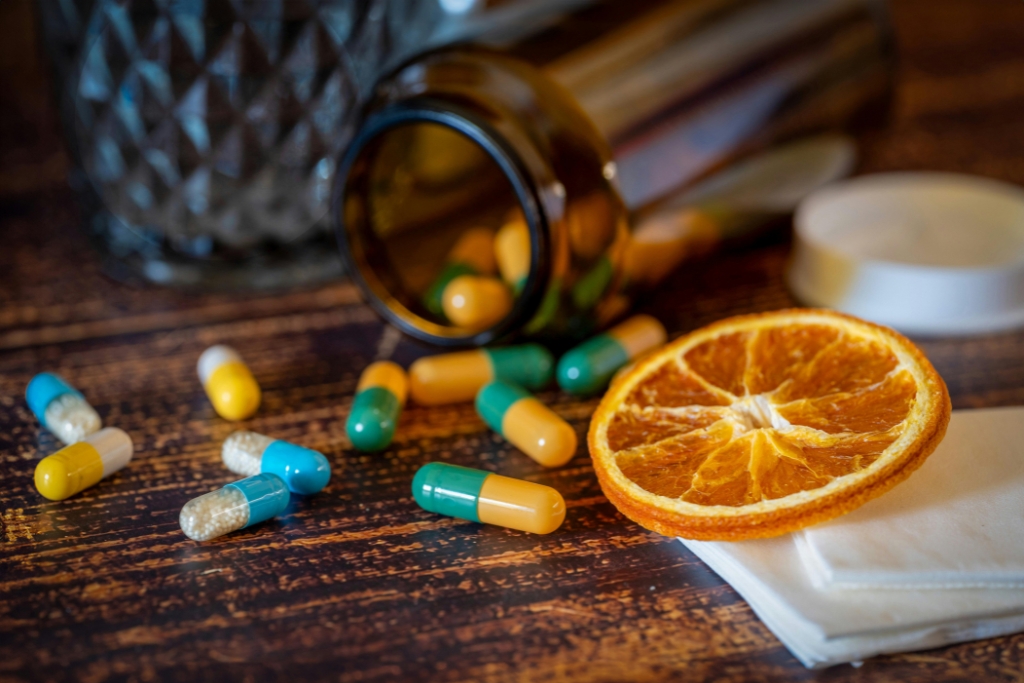
cold prevention supplements
Supplement #3: Vitamin D for Year-Round Immune Resilience
Vitamin D plays a broader role in immune regulation, supporting barriers that keep pathogens out and activating immune defenses when needed. During winter, levels often drop due to reduced sun exposure, particularly in northern climates.
While research on vitamin D’s ability to prevent illness is mixed, many studies suggest modest protective benefits when taken consistently throughout the year. Vitamin D also supports bone health, cardiovascular function, and overall healthspan, making it relevant beyond cold season alone.
Supplements are often the most practical way to maintain adequate levels, especially since few foods naturally contain vitamin D. Using vitamin D3 improves absorption, and pairing it with vitamin K2 may help ensure calcium is directed where it belongs.
How Supplements Fit Into a Broader Health Strategy
Supplements work best when they complement, not replace, everyday health habits. Think of them as supportive tools rather than standalone solutions. Integrative health approaches emphasize layering multiple protective factors together.
Here’s where supplements tend to work best when combined with basics:
- Consistent sleep and stress management
- Balanced meals rich in whole foods
- Hydration, especially during travel
- Regular movement to support circulation
- Hygiene habits that reduce viral exposure
Emerging tools like wearable diagnostics and blood pressure monitoring with smartwatches are also changing how people track health trends in real time. How wearable tech can help with predictive diagnostics and preventive health is becoming increasingly relevant as early detection plays a larger role in medical care.
Supplements Are Not a Substitute for Medical Guidance
Even widely used supplements can interact with medications or existing conditions. If you’re managing chronic illness, monitoring immune health with AI wellness platforms, or following vaccine schedules like the COVID-19 booster effectiveness 2025 guidance, supplement use should align with professional advice.
This is especially important as interest grows in advanced areas like senolytics research 2026 and longevity-focused medicine. Foundational immune support still relies on evidence-backed basics, not shortcuts.
A Practical Takeaway for the Holiday Season
If there’s one lesson worth remembering, it’s that immune support works best before symptoms show up. Consistent vitamin C intake, timely zinc use, and maintaining adequate vitamin D levels can help strengthen your defenses during a season when exposure risk is high.
The holidays are meant for connection, not recovery under a blanket. Supporting your immune system proactively gives you a better chance to stay present, energized, and resilient — not just through winter, but into the months beyond.