One Meal a Day Results: What to Expect

one meal a day results
Can you really eat just once a day and still protect your metabolism and muscle? That question is driving a lot of interest around the OMAD diet plan 2026.
One meal a day used to be framed as extreme. Skip breakfast. Skip lunch. Power through hunger. Eat at night. Repeat. But in 2026, especially in the post-GLP-1 era, the conversation looks different. People are not just chasing weight loss anymore. They are thinking about muscle retention, metabolic flexibility, and what happens after medication support ends.
The new version is more precise. Less about restriction. More about structure.
What “Muscle-Sparing OMAD” Actually Means
The biggest criticism of Intermittent fasting in the US has always been muscle loss. If you fast for 23 hours, won’t your body start breaking down lean tissue?
That concern led to the rise of Muscle-Sparing OMAD 2026. The goal is not simply to eat once. It is to protect lean mass while encouraging fat loss.
You fast long enough to tap into stored energy and potentially stimulate Autophagy and lean mass repair pathways. But when you do eat, you are deliberate. The meal is built to support a muscle-sparing diet, not just satisfy hunger.
This is where the 2026 shift really shows up. It is no longer about shrinking your eating window. It is about what happens inside that window.
The Fiber-First Rule
If you are looking for The best OMAD diet plan for muscle preservation in the post-GLP-1 era, execution matters more than discipline. The Precision fasting protocols now follow a structured flow.
Instead of diving into protein or carbs right away, you begin with fiber. The Fiber-first fasting rule is designed to slow digestion and reduce sharp glucose spikes.
A typical 60-minute eating window might look like this:
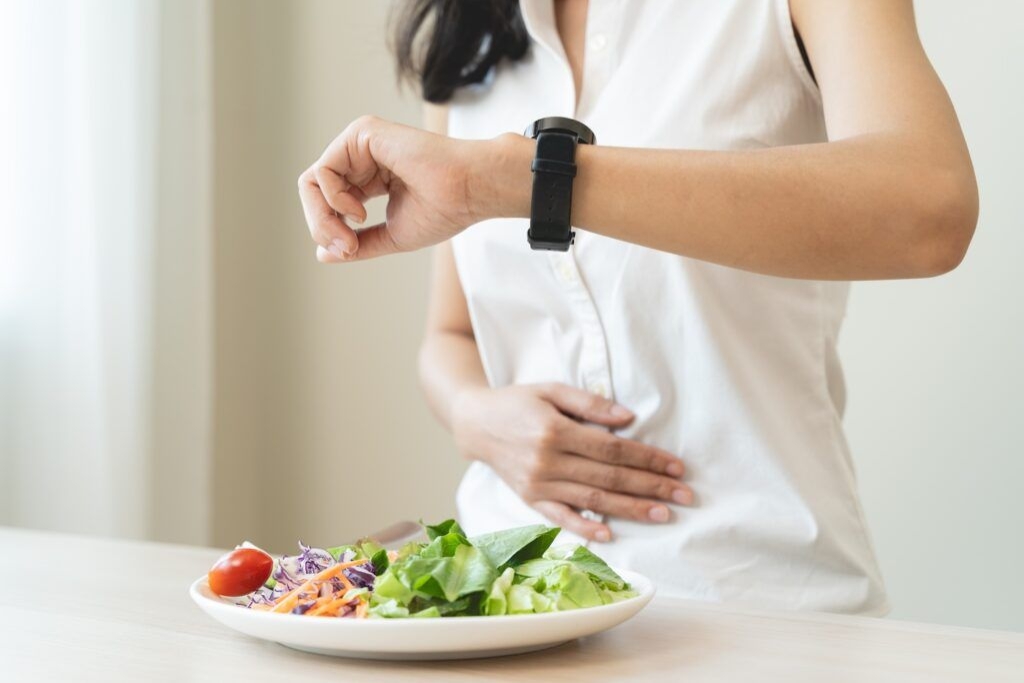
- Start with vegetables or a large salad to build a fiber base
- Move to protein-pacing with OMAD, aiming for roughly 1.2 to 1.5 grams of protein per kilogram of body weight
- Finish with healthy fats and complex carbohydrates for sustained energy
The protein-pacing shift is critical. In 2026, many Americans are aiming closer to 1.4 grams per kilogram to protect against muscle frailty. The concern is real. Lose too much muscle and your metabolism suffers.
The idea is to hit metabolic satiety markers early in the meal. When you feel satisfied at a biological level, you are less likely to overeat or chase cravings.
The Real Benefits
One meal a day results can look impressive in the beginning. But the deeper benefits have more to do with metabolic flexibility.
When you alternate between long fasting periods and concentrated nutrition, your body learns to switch between burning glucose and stored fat more efficiently. That flexibility can improve energy stability and support weight management.
There is also interest in fasting for longevity. Extended fasting windows may encourage cellular cleanup processes linked to Autophagy and lean mass preservation. Research is still evolving, but the idea is that fasting is not just about calories. It is about internal repair.
For those navigating GLP-1 maintenance, OMAD can help maintain reduced appetite and smaller portion habits without medication. It becomes a structured Post-GLP-1 maintenance diet rather than a crash plan.
intermittent fasting
The Risks You Need to Take Seriously
OMAD is powerful. That also means it is easy to misuse.
First, nutrient density becomes non-negotiable. Fitting enough vitamins, minerals, fiber, and healthy fats into one meal is difficult. Without planning, deficiencies can creep in.
Second, fasting can increase stress hormones in some people. If your sleep worsens, your mood drops, or you feel wired at night, your body may not be tolerating a 23-hour fast well.
Third, there is a practical limit to how much protein your body can effectively use at once. That is why protein pacing and high-quality sources matter in Muscle-Sparing OMAD 2026.
Finally, if OMAD triggers binge-restrict cycles, it is not the right approach for you. Any plan that increases obsession or guilt is not sustainable.
Is This the Right Fit for You?
The OMAD diet plan 2026 works best for people who value structure and simplicity. One decision. One meal. No constant snacking.
But it requires intention. You cannot eat “anything” in that hour and expect good Fasting results in 2026. Precision matters. Fiber first. Protein anchored. Healthy fats and slow carbohydrates to close.
If you struggle to eat enough protein in one sitting, or if fasting makes you feel shaky or overly stressed, a wider window like 16:8 may be a better match.
OMAD is not superior. It is specific.
Conclusion
The new OMAD approach is less about deprivation and more about design. When built around muscle-sparing fasting, metabolic flexibility, and real nutrient density, it can support fat loss without sacrificing strength.
But it is not magic. It demands planning and self-awareness.
If you choose to try the OMAD diet plan in 2026, focus less on how long you fast and more on how well you nourish yourself when you eat. In the end, preserving muscle and metabolic health matters more than how many meals you skip.