The Real Difference Between Skin Boosters and PNs
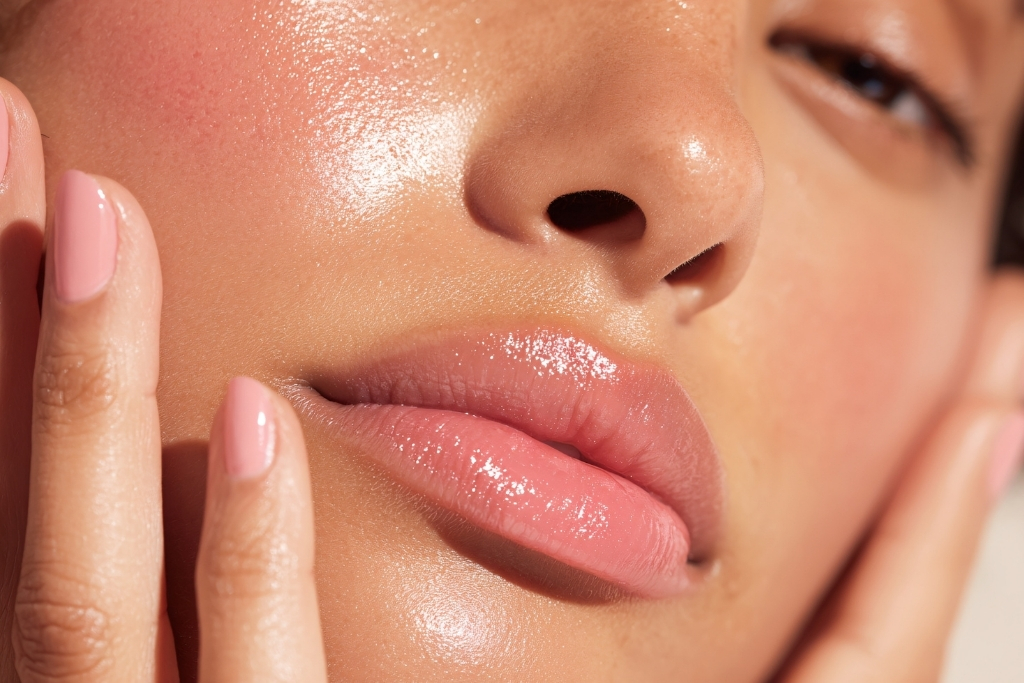
Skin hydration therapy
If you’ve been paying attention to aesthetics in 2026, you already know the vibe has changed. People are moving away from obvious “work done” faces and leaning into something more subtle but still high-impact: high-fidelity skin. Skin that looks calm, even-toned, resilient, and naturally healthy up close. Not just in photos.
That’s exactly why two treatments keep showing up on everyone’s radar right now: Skin Boosters and Polynucleotides. They may look similar in a syringe, but they’re playing completely different roles in your skin’s future.
If you’re planning a smarter skincare or tweakment routine focused on Skin Longevity, here’s what you actually need to know before you book anything.
Skin Boosters: The “Internal Moisturizer” Approach
Skin boosters are basically injectable skincare, and they’re best known for one thing: hydration that hits deeper than any topical product ever could. Most skin boosters are made with Hyaluronic Acid (HA), a molecule your body naturally has, and the reason your skin looks plump when it’s well-hydrated. HA can bind a huge amount of water, which is why these treatments are often described as a glow reset.
The key difference is this: skin boosters do not reshape your face the way fillers can. Instead, they’re placed just beneath the surface to improve texture, hydration, and bounce.
What you’ll usually notice after skin boosters is:
- Softer fine lines (the dehydrated, papery ones)
- More glow and reflectiveness
- Less crepey texture, especially on cheeks and under the eyes
- That smooth “glass skin” finish that skincare routines promise but don’t always deliver
This is why people love skin boosters before events, trips, or any time their face looks tired and flat.
Polynucleotides: The “Cellular Architect” Treatment
Now let’s talk about the option that feels a little more “2026 science lab” than classic aesthetics.
Polynucleotides (often shortened to PNs) are sometimes called salmon DNA injections, but the better way to understand them is this: they’re not here to hydrate you. They’re here to repair you.
These treatments are made from purified DNA fragments and they work as bio-stimulators, meaning they encourage your skin to rebuild its own strength from within. Instead of giving your skin a temporary glow, they help your cells behave like they’re in a healthier, younger mode.
Polynucleotides are known for supporting:
- Collagen and elastin production
- Reduced inflammation
- Tissue repair
- Improved density in thin or fragile skin
This is why they’re showing up in so many Pre-juvenation treatments. The goal isn’t to “reverse everything overnight.” It’s to keep your skin from thinning out and weakening in the first place.
They’re especially popular for:
- Under-eye hollowness and crepey texture
- Redness-prone or reactive skin
- Acne marks and uneven texture
- Neck lines and early laxity
Barrier repair serums can make your skin feel calm on the surface, but polynucleotides work deeper to support the structure underneath.
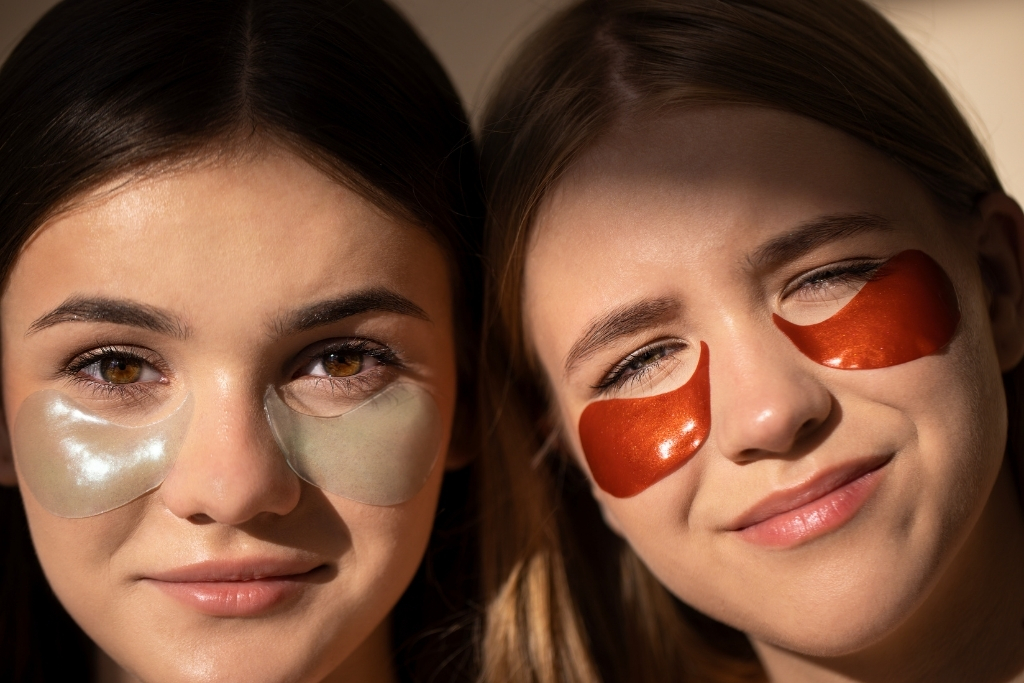
Under eye rejuvenation
Results Timeline: Fast Glow vs Slow Repair
This is where most people get confused and disappointed if they go in with the wrong expectation.
Skin boosters tend to show visible improvement fast, often within a week. They’re great when you want to look fresher quickly.
Polynucleotides are slower. They’re more like training your skin, not styling it.
A realistic timeline looks like this:
- Skin boosters: noticeable glow in 3 to 7 days
- Polynucleotides: texture changes around 3 weeks, full improvement closer to 3 months
If you’re looking for a quick refresh, PNs alone can feel underwhelming early on. But if you’re playing the long game, they’re one of the most valuable tools in modern aesthetics.
Which One Fits Your 2026 Skin Goals?
You don’t need to overthink it. You just need to match the treatment to what your skin is actually asking for.
Choose Skin Boosters if:
- You’re mainly dealing with dryness, dullness, and “tired skin.”
- You want that instantly healthier look without changing your features.
- You want a faster win for your face.
Choose Polynucleotides if:
- You’re focused on long-term skin strength and structural improvement.
- Your under-eyes are looking thinner or more creased over time.
- You want natural-looking repair rather than cosmetic plumping.
And yes, the big question people keep searching is fair: Polynucleotide injections vs. Skin Boosters: Which 2026 aesthetic treatment is worth it?
It depends on whether you want to look better next week or have stronger skin three months from now.
The 2026 Gold Standard: Treatment Stacking
Here’s what top clinics are doing now: they’re not forcing you to choose. “Stacking” is the real trend in 2026, because it handles your skin at multiple depths.
A common approach looks like this:
- Polynucleotides to repair, thicken, and rebuild the foundation
- Skin boosters to hydrate and polish the surface for glow
It’s similar to how you’d treat hair. You wouldn’t only use styling products if your scalp and roots were struggling. (Which is why the idea of the Scalp Microbiome is becoming part of the broader “skin ecosystem” conversation too.)
And on that note, the modern grooming world is starting to feel more connected than ever: you’re hearing about Inclusive Skincare, Toxin-free grooming, and even hair wellness add-ons like Murdock Black Tea hair health, while your barber is still keeping your Taper Fades sharp. It’s all part of the same shift, looking better, but in a healthier way.
Safety Notes You Shouldn’t Skip
These treatments are generally safe when done properly, but the basics matter more than ever.
- Choose trained medical professionals, not trend-driven injectors
- Make sure products are regulated and properly sourced
- If you have a fish allergy, bring it up before booking polynucleotides
Bold note: If your skin is inflamed, broken out, or sensitized, you may need barrier support first before injecting anything. Your best results usually come from treating the skin’s stability before chasing glow.
Conclusion
In 2026, the smartest aesthetic choices don’t come from chasing whatever’s viral. They come from choosing treatments that match your skin’s real needs. Skin boosters make sense when you want fast hydration and visible freshness. Polynucleotides are worth it when you want stronger skin, better texture, and real progress over time. And if you want the best of both worlds, stacking them is the modern answer.
Because the new standard isn’t “perfect skin.” It’s skin that holds up in real life, under light, under stress, and over the years.