The Truth About Processed Foods: Good, Bad, or It Depends?
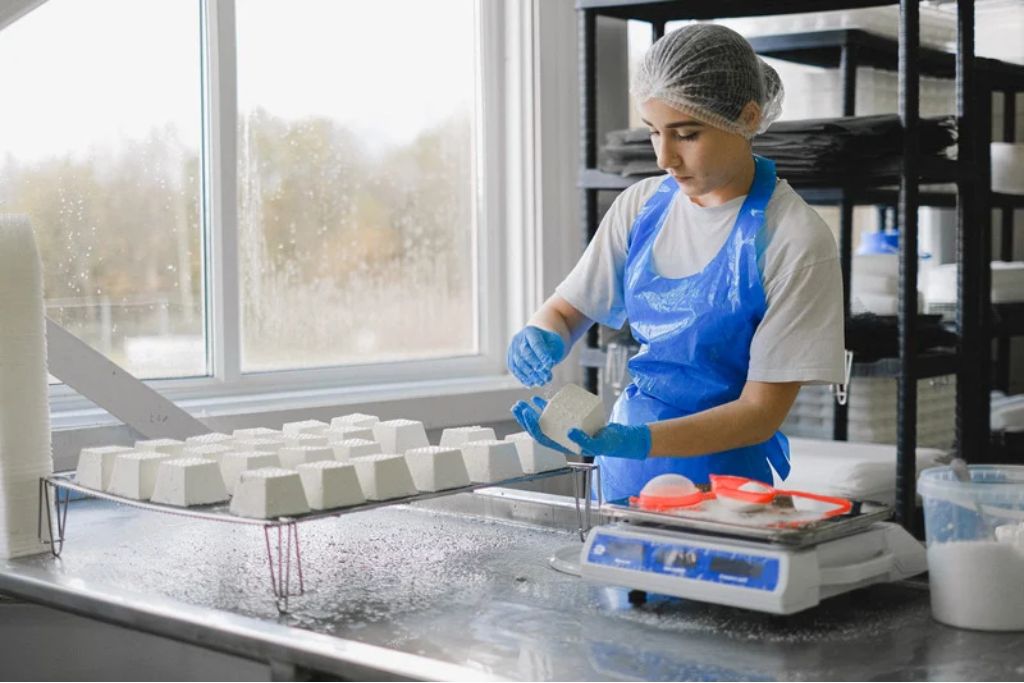
Processed Foods
There’s an ongoing debate in health circles that refuses to settle down: are processed foods the root of modern dietary problems, a harmless convenience, or something far more nuanced? The conversation swings between extremes, often louder than it is accurate. But when you strip away the noise, the story of processed foods becomes less about fear and more about understanding – a story that requires a closer look at how food reaches us, what gets added along the way, and how those choices shape long-term well-being.
A Better Way to Think About “Processed”
The word “processed” has a bad reputation that it doesn’t really deserve. Processed foods include even everyday items like frozen veggies, bagged lettuce, yogurt, and canned chickpeas. They are not the same as they were before they were cleaned, cut, made, frozen, pasteurized, or changed in some other way.
None of this makes them harmful.
When does the conversation actually get more complicated? It’s when the processing changes nutrition, taste, and texture in ways that aren’t just for safety or storage. It’s more true and much more helpful to think of processed foods as falling on a spectrum instead of treating all of them the same.
Category 1: Minimally Processed Foods That Support Health
This first group includes foods modified only for safety, freshness, or practicality. Frozen berries, pre-cut vegetables, oats, milk, and canned beans all fall here.
These foods:
- Retain their natural nutrient profile.
- Improve accessibility and reduce waste.
- Make healthy eating easier, not hard
One good example is frozen food. It’s usually picked when it’s at its ripest and flash-frozen within hours. This means it keeps more of its nutrients than “fresh” food that has been traveling for days. In this case, processing turns into a way to protect, not damage.
Minimally processed foods are rarely the concern. They are simply modern conveniences designed to make whole foods easier to enjoy
Category 2: Processed for Function – Where Choices Begin to Matter
This is where things shift slightly. Bread, cheese, nut butters, breakfast cereals, flavored yogurts, and protein bars – foods that involve added ingredients for taste, texture, or shelf life.
The processing here isn’t inherently problematic, but it does open the door to less-ideal additions:
- Excess sodium
- Added sugars
- Highly refined oils
- Stabilizers and thickeners
- Artificial flavors
Not every food in this category raises concerns. A whole-grain bread with simple ingredients can be a staple in a balanced diet. A sugary flavored yogurt with additives and fillers? That belongs in a different conversation entirely.
It’s not important to get rid of this group. In order to understand that what’s hidden in the ingredient list is often what makes something helpful or not.
Junk food
Category 3: Ultra-Processed Foods – Where Concerns Become Real
This is the category that gets the most attention. Ultra-processed foods are made with artificial tastes, a lot of sugar, refined starches, and a mix of other ingredients that change how the body reacts to food.
Some examples are:
- Sugary drinks
- Ready-to-eat packaged meals
- Chips and snack foods
- Instant noodles
- Certain frozen entrées
- Packaged desserts
Because these foods are made to ignore signals that you’re full, it’s easy to eat too much of them. They have short bursts of energy followed by short crashes because of the textures, tastes, and speed at which they digest. This cycle can change your weight, mood, inflammation, and metabolic health over time.
So Is Processing Good or Bad? Here’s the Balanced Answer
The honest answer is: processing isn’t the culprit – overprocessing is.
And even then, context matters.
Picking the right prepared food can make it easier to eat well. If you pick the wrong one, it can do the opposite. Fear or strict rules are not good ways to make decisions. A better way is to read labels carefully and pick processed foods that help your health goals instead of hurting them.
A few guiding principles help
- A product with fewer ingredients is likely to be more pure.
- Ingredients that you can name and understand are usually a good sign.
- Processing that keeps minerals is good for you, but processing that gets rid of them is not.
- The best way to stay healthy in the long run is to eat mostly whole, minimally processed foods.
This approach avoids the extremes. It respects the role of modern food systems without ignoring the consequences of certain choices.
A More Informed Way Forward
Processed foods are part of our daily lives, and they’re not going anywhere. The real power lies in choosing them consciously. Instead of labeling them as “good” or “bad,” it’s far more helpful to ask:
Does this food contribute to stability, nutrition, and long-term well-being – or does it make those goals harder to reach?
That question, more than any trend or headline, is what guides healthier decision-making.