Wet Hair Before Sleep? Here’s What It Does to You
Nighttime grooming habits
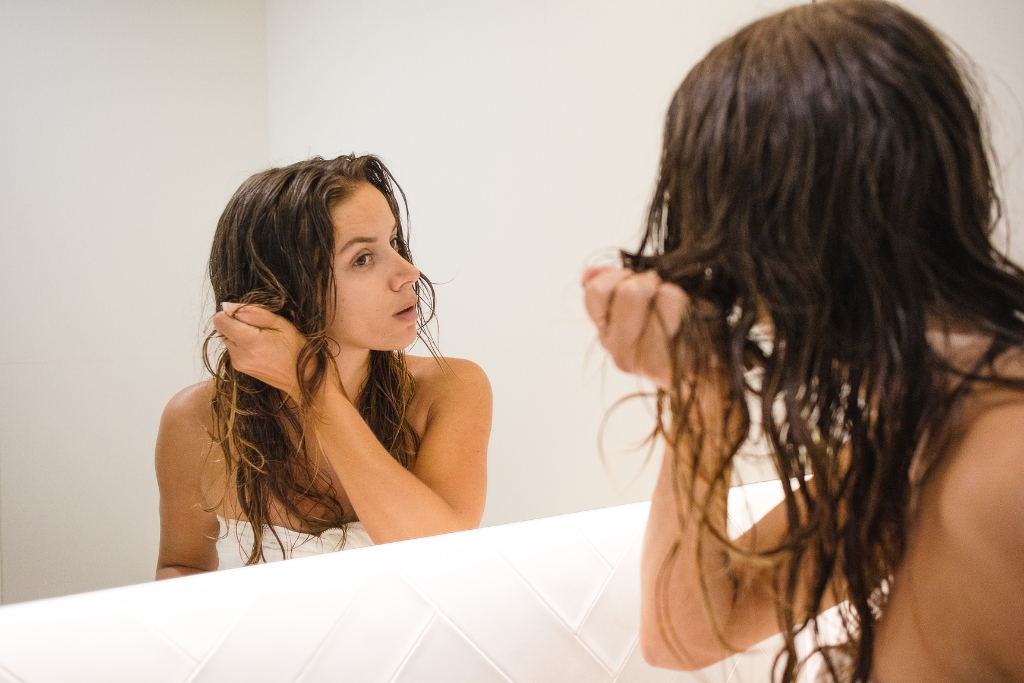
If you love an evening shower because it helps you relax, soften your routine, or fit your self-care rituals into a busy day, it’s easy to assume that going to bed with damp hair is no big deal. It feels clean, comforting, and convenient. Yet, when you look at what happens to your hair and scalp overnight, the picture gets a lot more complicated. Wet strands behave differently, your scalp environment shifts, and both can affect long‑term hair health in ways you may not realize.
Why Wet Hair Struggles Through the Night
Hair is most vulnerable when it’s wet. The cuticle—the outer layer that protects each strand—lifts slightly when saturated. That means every toss, turn, or rub against your pillowcase creates friction that your hair can’t defend itself from as easily. You may notice frizz, rough texture, or breakage over time, especially if you shower before bed most nights.
This ties into a broader approach to holistic fitness, where small daily habits shape how resilient your hair and scalp remain. Strength isn’t only built in the gym; it’s also reinforced by thoughtful, consistent grooming choices.
What Happens to Your Scalp When You Sleep with Damp Hair
Your scalp needs a balanced environment to stay healthy. When dampness gets trapped overnight, airflow decreases while warmth increases—an ideal combination for bacteria and fungus to multiply. Over time, this can alter your skin microbiome balance, leading to issues such as:
- Dandruff
- Seborrheic dermatitis
- Scalp acne
- Fungal or bacterial infections
These conditions are irritating on their own, but prolonged inflammation can also affect hair density by weakening the follicles. If you’ve noticed shedding that doesn’t fit your usual pattern, your nightly hair‑drying habits might be contributing.
Is a Towel Wrap Really a Better Option?
Using a towel may seem like an easy fix, but it only partially helps. While it creates a buffer between your hair and pillowcase, it also traps moisture. The result: less friction, but the same damp, warm environment that encourages unwanted microbial growth.
If you absolutely need to wrap your hair at night, a microfiber towel is a better choice. It absorbs water more effectively and aligns with sustainable grooming since it’s durable and designed for long‑term, low‑waste use.
Healthy hair practices
Smarter Ways to Avoid Sleeping with Wet Hair
You don’t have to give up your relaxing nighttime shower, but you do need small adjustments to protect your hair and scalp.
- Move Your Shower to the Morning
This is the simplest long‑term solution. A morning shower prevents moisture from lingering overnight and pairs well with a 15‑minute luxury self‑care routine for busy people.
- Shower Earlier in the Evening
If mornings aren’t workable, try showering at least an hour before you plan to sleep. This gives your hair enough time to air-dry naturally.
- Use a Microfiber Towel
Microfiber absorbs far more water than cotton, helping your hair reach a safer dryness level before bed. Ten minutes wrapped in microfiber makes a noticeable difference.
- Diffuse the Scalp and Dry the Ends
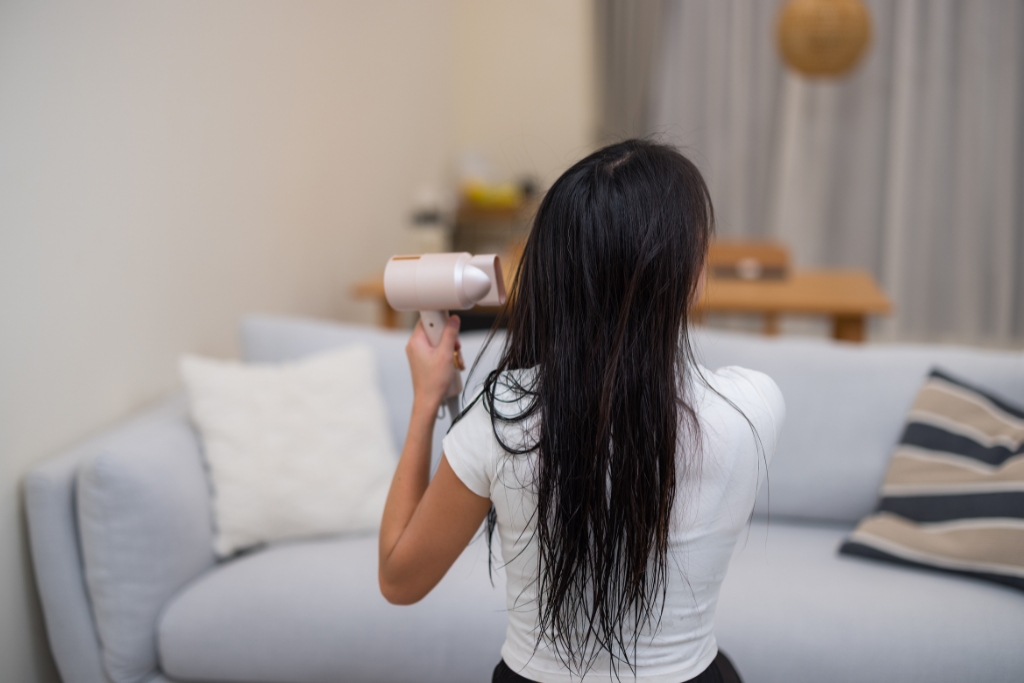
A diffuser helps gently remove moisture from the scalp without creating heat damage. If your hair is longer, lightly drying the mid‑lengths and ends until they feel cool ensures you’re not heading to bed with hidden dampness.
- Switch to a Silk Pillowcase
Silk reduces friction while supporting overall skin barrier health. It protects both hair strands and the skin around your hairline, aligning well with clean beauty and anti‑pollution skincare habits. Just remember to wash it regularly so buildup doesn’t cycle back onto your scalp.
Small Habits Shape Long‑Term Hair Health
Sleeping with wet hair isn’t an emergency, but it’s also not a routine your hair benefits from. Damp strands are easier to damage, and a moist scalp weakens the microbiome that keeps your hair and skin balanced. With simple adjustments—better timing, quicker drying methods, or switching to silk—you can protect your hair without disrupting your preferred routine.
When your grooming choices support both comfort and scalp health, you build a stronger foundation for long‑term wellness. It’s a subtle shift, but one that adds up over months and years, reinforcing healthier hair and a more thoughtful approach to personal care.