Why Treating Your Scalp Like Skin Improves Hair Growth

Scalp care routine
For years, hair care focused almost entirely on what you could see: smoother strands, shinier lengths, and fewer split ends. Conditioners got richer, masks got thicker, and styling serums multiplied. But by 2026, that approach feels outdated. The conversation has shifted to something far more foundational. Your scalp is no longer an afterthought. It is skin, living tissue, and the starting point for healthy hair.
If you want fuller density, stronger growth, and fewer setbacks, the work begins at the scalp. Think of hair as a plant. When the soil is inflamed, clogged, or depleted, growth struggles no matter how expensive the products on top look. This is where modern scalp wellness routines come in, blending dermatology, grooming science, and long-term skin longevity thinking.
Why Scalp Care Became Central in 2026
Hair follicles are active biological structures. They rely on oxygen, blood flow, and a balanced environment to stay productive. When the scalp barrier is compromised, follicles enter survival mode. Growth slows. Shedding increases. Density thins quietly.
In 2026, grooming has moved into the era of prejuvenation. Instead of waiting until thinning is visible to do something about it, you maintain scalp health early, just like individuals today preserve their face skin years before wrinkles show up. This change treats the scalp as an extension of skin care, with an emphasis on repairing the barrier, controlling inflammation, and supporting the follicles over the long term.
The Microbiome on Your Scalp
There are a lot of bacteria and yeast on your scalp that assist control oil, pH, and immunological reactions. When harsh shampoos, pollution, or stress throw off that equilibrium, low-grade inflammation starts. Follicles do feel it, even if you don’t. In a healthy state, the scalp sits slightly acidic, roughly between pH 4.5 and 5.5. Maintaining that balance is now a core part of any serious routine.
A lot of modern scalp microbiome serums use postbiotics instead of live bacteria. These assist strengthen the scalp’s natural defenses without causing discomfort. Gentle chemical exfoliation has also replaced aggressive scrubs. Salicylic acid and other ingredients break down buildup surrounding hair follicles, which helps oxygen get to the skin without hurting it.
Growth Actives Have Evolved Beyond the Basics
Traditional growth products still exist, but 2026 formulations focus on regeneration rather than stimulation alone. The goal is to wake follicles gently, not shock them.
One of the biggest advances is the wider availability of polynucleotides and cell-signaling ingredients. These support tissue repair and communication within the follicle environment. You are not forcing hair to grow faster. You are creating conditions where growth can resume naturally.
Many advanced formulas now blend multiple pathways:
- Botanical stem-cell activators that support follicle cycling
- Peptides that help counter hormone-related miniaturization
- Barrier-strengthening compounds that reduce ongoing inflammation
- These combinations work best when used consistently, not aggressively.
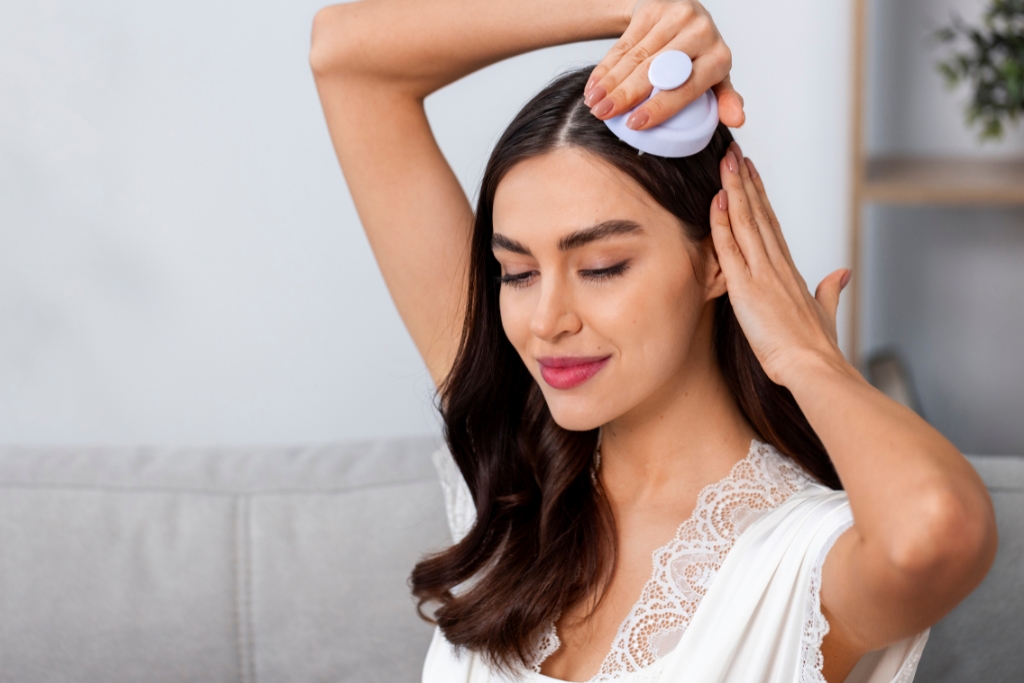
The scalp exfoliation
Circulation Is the Missing Link for Density
Hair growth depends on blood supply. If circulation is poor, nutrients never reach the follicle efficiently. That is why stimulation has become a non-negotiable part of scalp routines.
LED red light therapy has moved from clinics into home care. When used correctly, it supports cellular energy production and reduces inflammation at the follicle level. Most routines recommend short sessions several times a week rather than daily use.
Manual stimulation still matters too. Scalp massage improves blood flow and helps products absorb more evenly. Some people pair this with gentle micro-needling, which creates temporary channels that enhance serum penetration and trigger natural repair signals. If you choose this step, proper hygiene and conservative depth are essential.
A Practical Weekly Scalp Routine for 2026
Instead of layering endless products, modern routines are streamlined and intentional. A typical week may look like this:
- Daily: Apply a targeted scalp serum at night and perform a short massage
- Two to three times weekly: Use LED red light therapy
- Weekly: Gentle exfoliation to clear buildup
- Optional: Controlled micro-needling to enhance absorption
Consistency matters more than intensity. Skipping steps occasionally is fine. Abandoning the routine entirely is what stalls progress.
Internal Stress Still Shows Up on Your Scalp
Hair responds quickly to stress. Elevated cortisol pushes follicles into shedding mode, regardless of what you apply topically. That is why modern grooming now overlaps with nervous system care.
Adaptogens, adequate protein, and micronutrient sufficiency all play a role. Iron and vitamin D are especially important, as the body prioritizes vital organs over hair when levels drop. Testing and correcting deficiencies can make topical routines far more effective.
Scent also plays a subtle role. Functional fragrance has entered scalp care, using mood-altering scents to calm stress responses during application. The ritual itself becomes part of recovery.
What Actually Delivers Results
The truth is simple but often overlooked. Hair growth is slow. Most visible improvements take three to four months to appear. In 2026, the most successful routines are not the most complicated ones. They are the ones you can sustain.
Treat your scalp with the same respect you give your facial skin. Support the barrier. Feed the follicles. Reduce chronic stress. When the environment improves, density follows.
Conclusion
Hair care in 2026 is no longer about masking problems. It is about building a healthy foundation. When you focus on scalp wellness, skin longevity principles, and consistent support, you give your follicles the chance to function the way they were meant to.
The scalp truly is the new skin, and caring for it properly may be the most effective grooming decision you make this year.