Why Analog Play Is Becoming a Stress Tool for Adults
nervous system regulation
By the start of 2026, many people have quietly accepted something they were reluctant to say out loud before: digital wellness did not fix digital stress. If anything, it added to it. You were asked to track your mood, monitor your sleep, count your breaths, and check yet another dashboard telling you how calm you should feel. For a nervous system already stretched thin, that constant monitoring often made things worse.
What you are seeing now is not a rejection of wellness, but a return to basics. Mental health conversations are shifting toward Brain Health, sensory regulation, and practical stress relief that happens away from screens. Instead of managing stress through apps, more people are lowering cortisol by changing what they touch, how they focus, and what they put into their bodies.
Shopping habits reflect that shift more clearly than any trend report.
- Buy things that slow your hands down
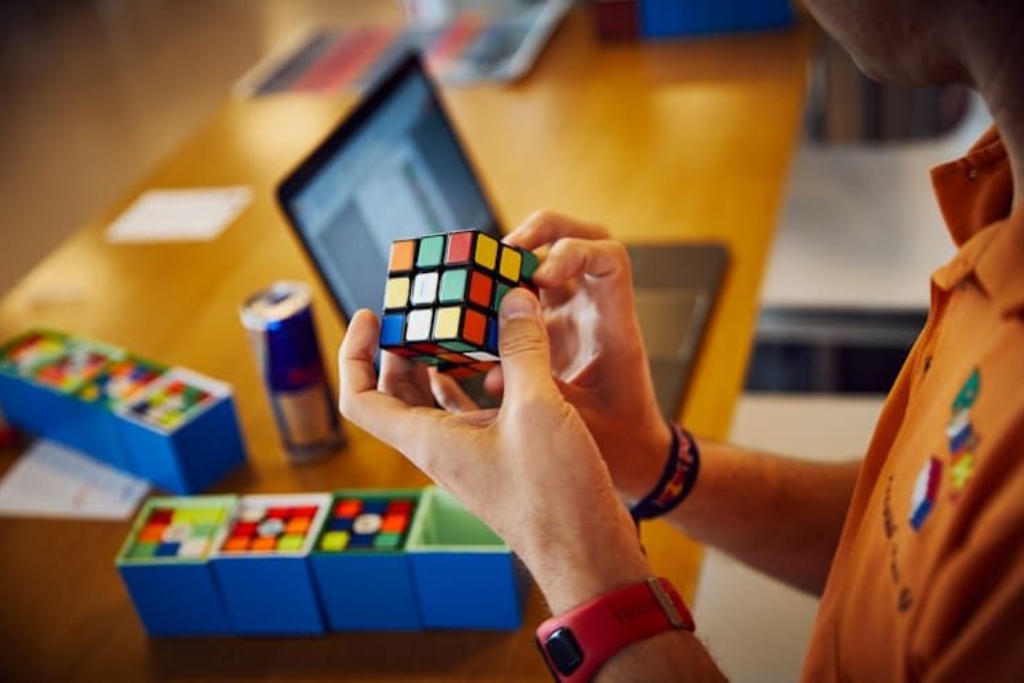
One of the simplest ways to calm your nervous system is to give your hands something meaningful to do. Analog Play works because it interrupts the constant micro-alerts that keep cortisol elevated throughout the day. When your hands are occupied, your brain stops scanning for the next digital hit.
In 2026, adults are shopping for activities that require patience rather than speed. Complex building kits, mechanical models, and hands-on creative tools are no longer seen as childish or indulgent. They are used intentionally for Stress Relief. These activities create a steady focus that gently pulls your brain out of reactive mode.
You are not multitasking. You are present. And that presence matters more than productivity ever did.
- Create a small kit for tactile stress relief
Another noticeable shift is the rise of personal analog kits. These are not productivity tools or wellness gadgets. They are collections of tactile stress relief tools to reduce digital fatigue, carried quietly in work bags or kept at desks.
These kits usually include items with weight, texture, or resistance. The goal is not distraction but grounding. When stress builds, physical input helps signal safety to the nervous system in a way screens cannot.
Many people find that using tactile tools lowers baseline anxiety, not just acute stress. Over time, your body learns that it does not need to stay on high alert.
- Rethink creatine as brain fuel
Creatine’s reputation has changed significantly. What was once associated only with strength training is now used for cognitive support. Creatine for cognition is gaining attention because of how the brain uses energy under stress.
Your brain consumes a large share of your body’s energy, especially when you are tired, overstimulated, or making constant decisions. Creatine supports the regeneration of that energy at a cellular level. For many people, this translates into steadier focus and reduced mental fatigue, without the jittery effects of stimulants.
This is not about pushing harder. It is about giving your brain enough fuel to stop running on empty.

creatine for cognition
- Replace digital habits with physical structure at home
Lowering cortisol often has less to do with motivation and more to do with environment. In 2026, more people are shopping for analog infrastructure to protect their mental space.
Simple changes make a difference. Analog alarm clocks keep phones out of the bedroom. Paper planners reduce the mental clutter created by app notifications. Physical books and records encourage slower engagement instead of endless scrolling.
These choices support Brain Health by restoring predictable rhythms. When your day has fewer digital interruptions, your stress response softens naturally.
- Support mental health through gut-focused nutrition
Mental health does not live only in the mind. Shopping habits are increasingly shaped by awareness of the gut-brain connection. Fibermaxxing, metabolic eating, and GLP1 diet approaches are being used not for weight goals, but for mood stability.
High-fiber foods support gut health, which influences neurotransmitter production and emotional regulation. When blood sugar swings are reduced, cortisol spikes often follow suit. Combined with thoughtful Brain Fuel and cognitive supplements, this approach helps your body stay regulated instead of reactive. This is not restrictive eating. It is supportive eating.
Why analog choices are working
What ties these shopping hacks together is restraint. You are no longer trying to optimize every feeling. You are giving your nervous system fewer things to fight against. Analog Play, tactile tools, and steady nutrition work because they respect how the body actually responds to stress.
You are not chasing calm. You are creating conditions where calm can happen.
A quieter nervous system starts with what you choose
Lowering cortisol in 2026 does not require a dramatic lifestyle overhaul. It starts with small, intentional choices that bring you back into your body. When you shop for things that engage your hands, support your brain, and reduce digital noise, stress begins to loosen its grip. The most effective mental health tools right now are not apps. They are physical, grounded, and built for the way humans actually function.