Chronic Illness Heatwave Safety for High-Risk Days
Chronic Illness Heatwave Safety
A heatwave is not just uncomfortable weather. For someone living with heart disease, asthma, COPD, diabetes, kidney disease, or blood pressure issues, extreme heat can become a direct medical stressor. That can feel worrying, especially when you are already managing medications, appointments, symptoms, and daily routines.
The goal is not panic. It is preparation. When red alerts are active, your body works harder to stay cool. If you have a chronic condition, that extra strain can affect circulation, breathing, blood sugar, hydration, and medication safety faster than expected.
Why Heat Hits Chronic Illness Harder
Your body cools itself by moving more blood toward the skin and releasing heat through sweat.
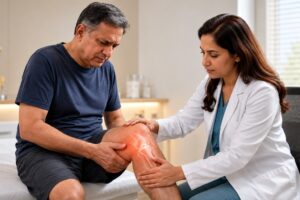
That sounds simple, but it asks a lot from your heart and blood vessels. Blood pressure can drop. Heart rate can rise. Fluid loss can build quickly. For someone with cardiovascular disease, heart failure, hypertension, or a history of stroke, this can become risky. Cardiovascular health in heat depends on reducing unnecessary strain before symptoms appear.
This is why red alert days are not the time to push through errands, outdoor walks, heavy exercise, or long waits in the sun. Heat is not just weather. It is a workload.
Chronic Illness Heatwave Safety Starts Before Symptoms
One mistake people make is waiting until they feel dizzy, weak, or breathless. By then, the body may already be struggling. Heat exhaustion can begin with ordinary-looking symptoms such as fatigue, headache, heavy sweating, nausea, muscle cramps, dizziness, or confusion.
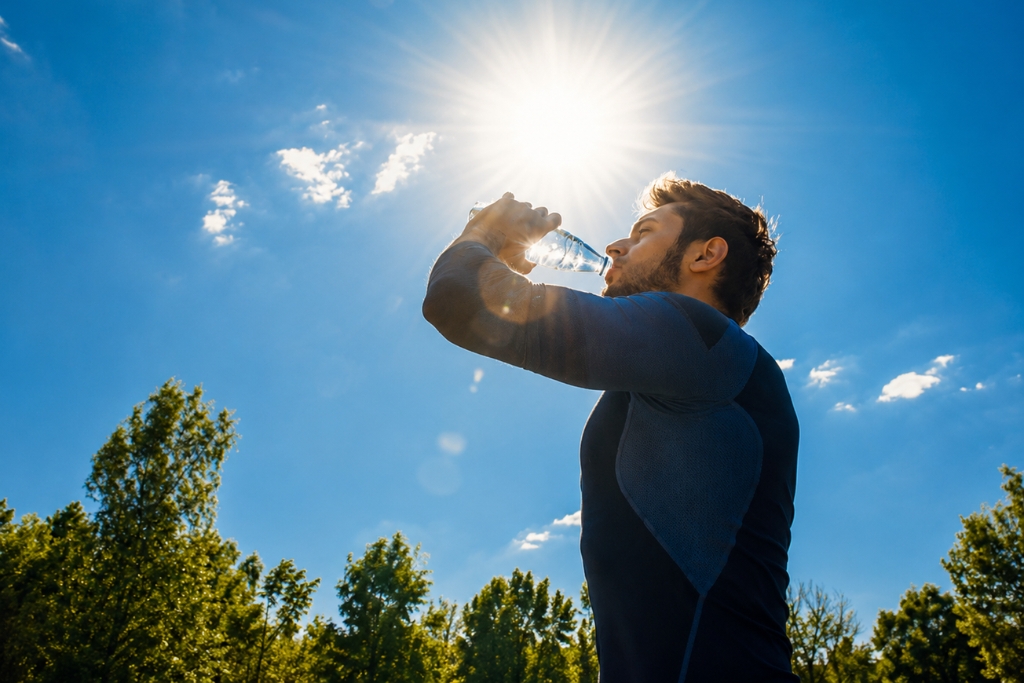
If you live with a chronic illness, treat those signs seriously. Move to a cooler place, sip fluids if you are allowed to do so, and seek medical help if symptoms worsen or do not settle. Seasonal extreme weather safety is about acting early, not proving tolerance.
Medication Safety Needs Extra Attention
Managing medication in summer deserves more care than people usually give it. Some medicines can affect hydration, sweating, blood pressure, or the body’s ability to regulate temperature. Diuretics may increase fluid loss. Some blood pressure medicines can affect circulation or thirst response. Certain mental health medicines may reduce heat awareness.
This does not mean you should stop taking medication.
Do not change doses on your own. Instead, speak with your doctor or pharmacist before peak heat if you take medicines for heart disease, diabetes, kidney disease, mental health conditions, or blood pressure.
Storage matters too. Insulin, inhalers, liquid antibiotics, and other prescriptions can lose effectiveness if exposed to high temperatures. Never leave medicines in a parked car, on a sunny windowsill, or inside a hot bag for hours. A cool, dry storage spot is safer.
seasonal extreme weather safety
Breathing Conditions Can Worsen in Heat
Hot weather can make air quality worse, especially in cities.
Stagnant air can trap pollution and ground-level ozone, which can irritate the lungs. For people with asthma, COPD, or other respiratory conditions, that can mean more coughing, wheezing, chest tightness, or shortness of breath.
Respiratory condition care tips are simple but important. Stay indoors during peak heat when possible. Keep rescue inhalers accessible. Avoid outdoor exertion when air quality is poor. Use air conditioning or a cool indoor space if available. If breathing becomes difficult, do not wait it out.
Diabetes and Heat Need Careful Monitoring
Heat can complicate diabetes management.
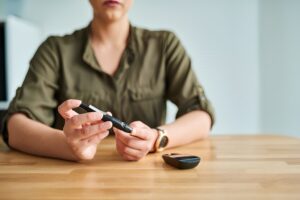
Dehydration can concentrate blood sugar. Sweating and appetite changes can make usual eating patterns less predictable. If you use insulin, heat may affect both storage and absorption. That is why Chronic Illness Heatwave Safety should include more frequent monitoring during red alert days.
Check blood sugar as advised. Keep supplies protected from heat. Carry water and snacks if you are leaving home. Watch for symptoms that feel different from your usual baseline. Small changes matter during extreme weather.
A Practical Red Alert Plan
Emergency medical preparedness does not need to be dramatic. It needs to be clear. Before the worst heat arrives:
- Keep a list of medications, doses, and emergency contacts.
- Store medicines in a cool, shaded place.
- Ask your doctor about fluid limits if you have heart or kidney disease.
- Identify nearby air-conditioned spaces.
- Plan check-ins with family, neighbors, or caregivers.
- Avoid outdoor tasks during peak afternoon heat.
- Keep water, oral rehydration options, and cooling towels ready.
- Charge your phone and keep medical devices protected from heat.
This is vulnerable population health support at the home level. It works because it reduces last-minute decision-making.
Cooling Your Environment Matters
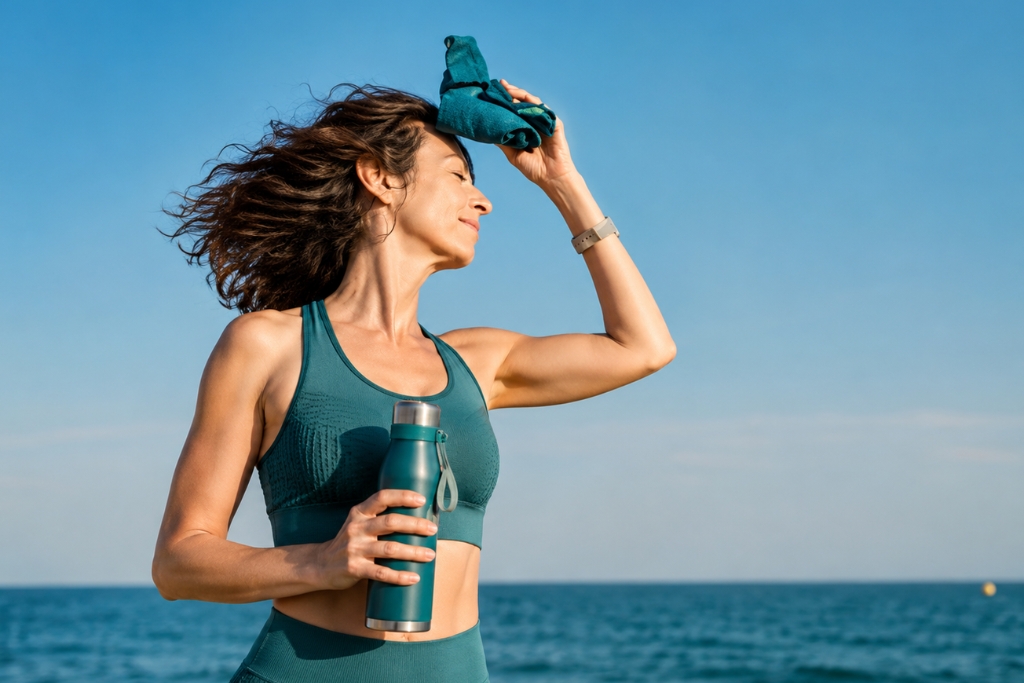
Fans can help when heat is moderate, but they may not be enough during severe heat. Use curtains or blinds to block direct sunlight. Take cool showers. Wear loose, breathable clothing. Use damp cloths on the neck or wrists. Move to the coolest room in the home.
If your home stays hot overnight, that is a warning sign. The body needs cooler hours to recover. For people with chronic illness, repeated hot nights can raise risk even if daytime symptoms seem manageable.
When to Get Medical Help
Seek urgent care if there is confusion, fainting, chest pain, severe breathlessness, very high body temperature, repeated vomiting, or symptoms that do not improve after cooling. Also get help if a person stops sweating despite feeling very hot, becomes unusually drowsy, or cannot drink fluids safely. Clinical heatwave safety guidelines all point to one principle: do not delay care when symptoms suggest heat-related illness.
Conclusion
Chronic Illness Heatwave Safety is about respecting how much pressure extreme heat places on the body. If you live with a long-term condition, red alert weather deserves a plan, not guesswork. Protect your heart by reducing exertion, support your lungs by avoiding poor air and peak heat, store medicines properly, monitor diabetes more closely, and set up emergency contacts before the temperature climbs. The best protection is not complicated. It is early action, steady hydration when appropriate, cooler spaces, medication awareness, and knowing when symptoms need medical attention.