Is Stevia Healthy for a Low-Calorie Diet Plan
is stevia healthy
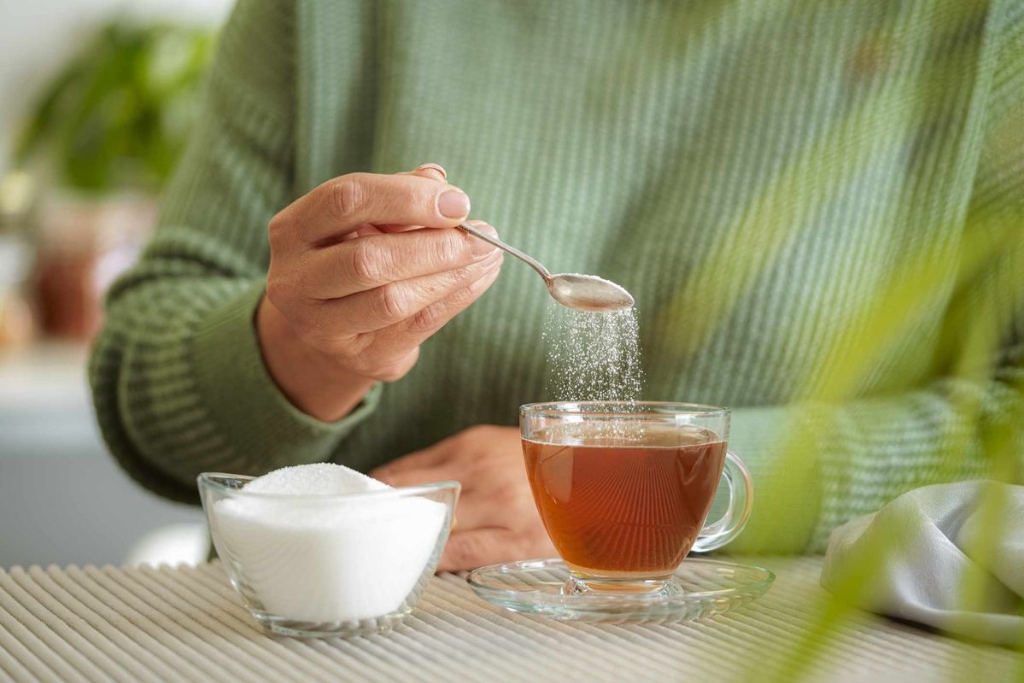
Cutting out sugar sounds simple… until cravings hit. Then suddenly, everything feels harder. That’s where stevia enters the picture. It’s marketed as a clean, plant-based fix. Zero calories. No sugar spikes. Sounds ideal. But the real question is, is stevia healthy, or are we just replacing one habit with another? Let’s break it down in a way that actually helps you decide.
What Stevia Really Is (And Why It’s Popular)
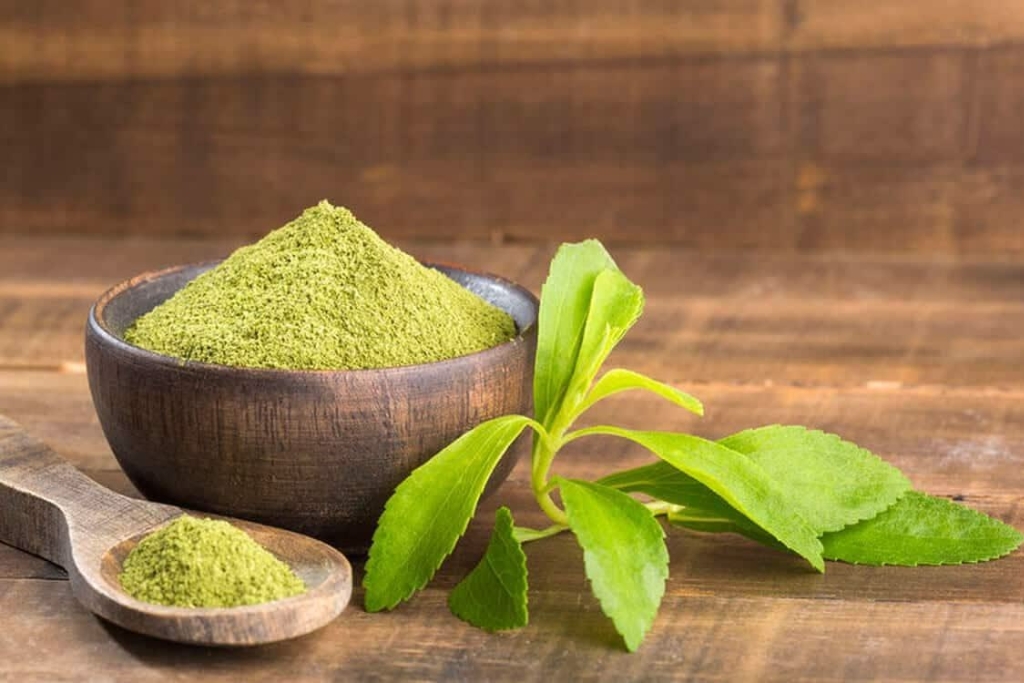
Stevia comes from a plant. That’s part of the appeal. Unlike artificial sweeteners, it’s considered one of the more natural sweeteners available. It doesn’t add calories, which makes it attractive for anyone on a low-calorie diet or trying weight loss tips that actually stick.
Plus, it has the zero glycemic load of stevia. That means no sharp blood sugar spikes. For many people managing insulin or looking for diabetes-safe sugar, that’s a big deal.
But being “natural” doesn’t automatically mean perfect.
Is Stevia Healthy for Your Body and Metabolism?
This is where things get more nuanced. From a metabolic perspective, stevia performs well. It doesn’t behave like sugar in the body. No rapid glucose rise. No major insulin surge.
But there’s something called “cephalic phase insulin release.” Basically, when your brain tastes something sweet, it may still trigger a small insulin response—even if no sugar is present.
The effect is minimal, but it explains why some people still feel cravings after using sweeteners. So yes, stevia works. But it doesn’t completely switch off your body’s “sweet response.”
Is Stevia Healthy for Gut Health?
Now let’s talk about something people rarely consider—the gut microbiome and stevia. Some artificial sweeteners have been linked to gut imbalance. Stevia seems different. Most research suggests high-purity steviol glycosides are relatively neutral. That means they don’t significantly disrupt gut bacteria.
However, the problem isn’t always stevia itself. Many products mix it with fillers like erythritol. That’s where discomfort can show up. Added context: if you’ve ever felt bloated after using sugar alternatives, it’s often the additives—not the stevia. If gut sensitivity is a concern, liquid stevia or cleaner formulations work better.
diabetes safe sugar
Reb-M vs Reb-A: Why Taste Has Improved
If you’ve tried stevia before and didn’t like it, you’re not alone.
Older versions used Reb-A, which had a bitter aftertaste. That’s changed.
Newer formulations focus on Reb-M. It tastes smoother. Closer to actual sugar.
That’s why finding the best stevia brands without a bitter aftertaste in 2026 is easier now.
And honestly, this shift has made healthy sugar swaps more practical for everyday use.
How to Use Stevia Without Overdoing It
Here’s where balance matters. Stevia isn’t a free pass to consume unlimited sweetness. The goal isn’t to replace sugar with something equally addictive. It’s to reduce dependence.
Try simple swaps:
- Add a few drops to your coffee instead of sugar
- Mix it into plain yogurt with fruit
- Use it in homemade dressings instead of honey
These small changes support cutting out sugar without feeling restrictive.
Quick Things to Keep in Mind
- Choose high-purity stevia over mixed products
- Avoid overusing sweeteners to reset taste preferences
- Watch for digestive reactions to added fillers
- Use it as a transition tool, not a long-term crutch
- Pair it with whole foods for better balance
Is Stevia Healthy in the Long Run?
So, coming back to the main question—is stevia healthy? In most cases, yes. It’s one of the safer sugar alternatives available right now. It supports better blood sugar control. It fits into keto-friendly sugar approaches. And it helps reduce overall calorie intake.
But it’s not a magic solution. From a long-term perspective, the real benefit comes when stevia helps you reduce your overall need for sweetness—not maintain it.
Cocnlusion
Stevia works best when you treat it as a tool, not a replacement lifestyle. It gives you a way to step away from sugar without feeling like you’re giving something up completely, and that’s valuable, especially in the early stages of changing your eating habits. Over time, though, the goal should shift. You start relying less on any kind of sweetener and more on natural flavors. That’s when things really change. Your taste adjusts, cravings settle, and your relationship with food becomes a lot more stable. So yes, is stevia healthy—it can be. But its real strength lies in how you use it, not just what it is.