Why Bread Causes Weight Gain Science Explains It

bread and weight loss
If you’ve ever tracked your calories, stayed consistent, and still noticed the scale creeping up, you’re not imagining things. The idea that weight gain is purely about “eating more” is starting to fall apart. In fact, why bread causes weight gain even without overeating is becoming one of the most talked-about findings in modern nutrition.
Here’s the shift. It’s not just how much you eat. It’s how your body processes what you eat. Bread, especially the refined kind, behaves very differently inside your system compared to whole, intact foods. And that difference matters more than most people realize.
The Real Issue: Structure of Carbs
Let’s break it down simply. Not all carbs are created equal.
Whole foods like fruits, potatoes, and intact grains contain what’s known as cellular carbohydrates. The starch is locked inside plant cells, which means your body has to work to access it. Digestion slows down. Energy releases gradually.
Refined bread? Completely different story. Once grains are milled into flour, those cell walls disappear. What you’re left with are acellular carbohydrates—starch that’s already broken down structurally. Your body absorbs it fast. Too fast.
That’s where the problem begins.
Why Bread Causes Weight Gain Even Without Overeating
This is where things get interesting. The reason why bread causes weight gain even without overeating comes down to how your metabolism reacts, not just how many calories you consume.
Refined bread creates rapid spikes in blood sugar. This leads to an aggressive insulin response. And insulin isn’t just another hormone—it’s your body’s primary fat-storage signal.
When insulin rises sharply:
- Fat burning slows down almost immediately
- The body shifts toward storing energy instead of using it
- Excess glucose converts into stored fat, especially around the liver
So even if your calorie intake stays the same, your body is now operating in “storage mode” instead of “burn mode.”
That’s a major difference.
healthy carbs
The Metabolism Slowdown Effect
Another layer to this. Refined carbs don’t just spike insulin—they can actually influence how much energy your body burns.
Recent insights into metabolism science show that diets high in hyper-processed starch may reduce energy expenditure. In simple terms, your body becomes more efficient at conserving energy.
Sounds good. It’s not. Because now you’re burning fewer calories at rest. Over time, this subtle slowdown contributes to weight gain—even when your eating habits haven’t changed dramatically.
The Gut Factor Nobody Talks About
There’s also a gut-level explanation. And it’s just as important. Refined bread feeds certain bacteria in your gut that thrive on quick, accessible starch. Over time, this can disrupt the balance of your microbiome, leading to gut microbiome inflammation.
Why does that matter? Because inflammation interferes with hormones like leptin—the one that tells you you’re full. When that signal gets disrupted, your body struggles to regulate hunger and energy use properly.
So now, your system is storing more fat and signaling hunger more often. That’s a tough cycle to break.
What Actually Helps Instead
This doesn’t mean you have to cut bread out completely. But you do need to be smarter about your choices.
Here’s what works better in real life:
- Choose bread with a strong fiber-to-carb ratio
- Look for whole or sprouted grain options
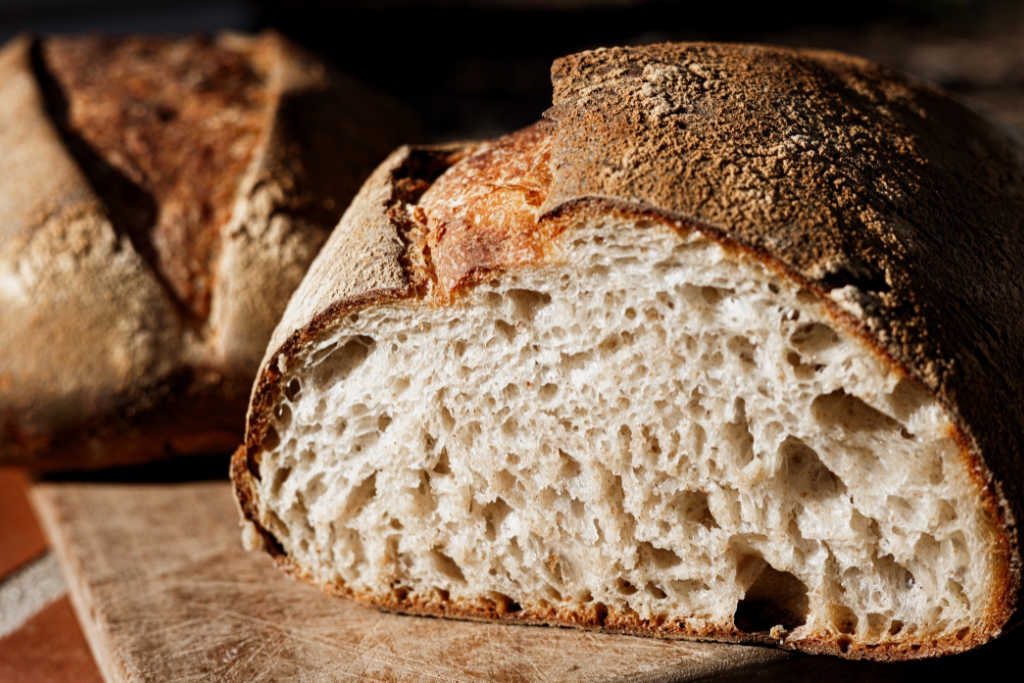
- Try sourdough, which digests more slowly
- Pair bread with protein or healthy fats
- Avoid ultra-soft, highly processed white bread
These changes help stabilize your blood glucose, reduce insulin spikes, and support better weight management over time.
A Simple Way to Think About It
Instead of asking “How many calories is this?” start asking, “How will my body respond to this?”
That shift alone can change everything.
Because the truth is, weight loss myths 2026 are being rewritten. It’s no longer just about eating less. It’s about eating in a way that aligns with your biology.
The Bottom Line
Understanding why bread causes weight gain even without overeating isn’t about blaming a single food. It’s about recognizing how modern processing has changed the way our bodies react to everyday staples.
When you switch from refined, acellular carbs to more natural, intact sources, your metabolism works with you instead of against you. Blood sugar stabilizes. Hunger feels more predictable. And fat storage slows down without extreme dieting.
You don’t need drastic changes. Just smarter ones.