Why Healthy Snacks Make You Hungrier and Trigger Cravings
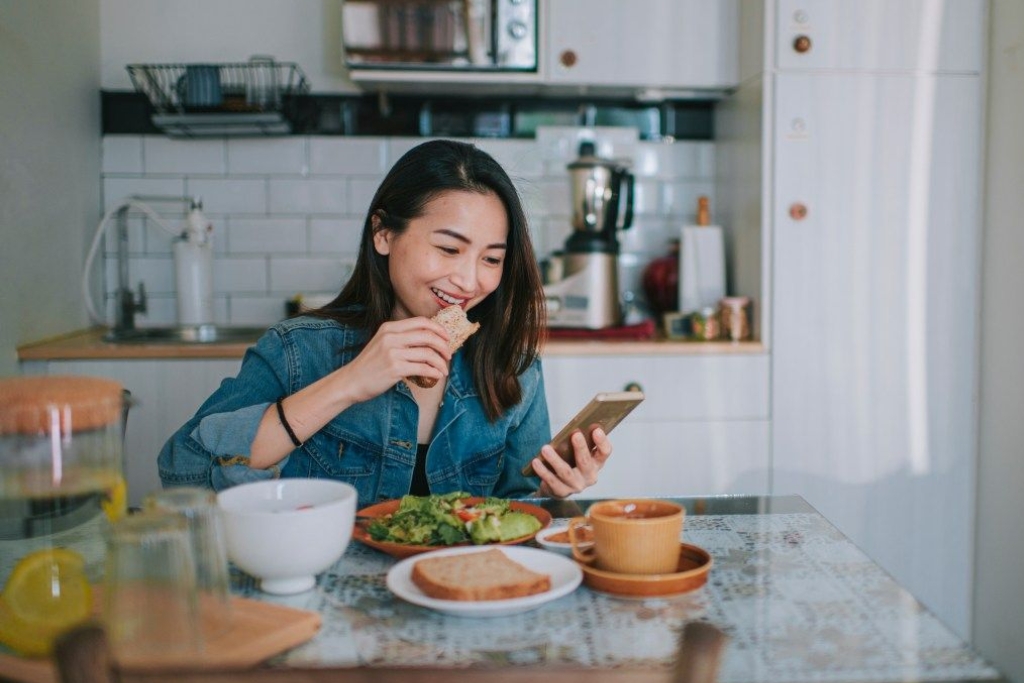
healthy snacks make you hungrier
You grab a granola bar, protein bites, or a low-fat yogurt because it looks like the smarter choice. Then somehow, half an hour later, you are hungrier than before. If you have ever wondered why healthy snacks make you hungrier, the answer usually has less to do with calories and more to do with how that snack interacts with blood sugar, digestion speed, and hunger hormones.
A lot of so-called healthy snacks in 2026 are built around branding, not true satiety. They may fit the clean-eating look, but they often miss the nutrient balance your body needs to stay full.
The blood sugar spike problem
The most common reason why healthy snacks make you hungrier is the fast rise-and-drop effect.
Many snack foods marketed as healthy are heavy on refined oats, dried fruit syrups, puffed grains, or blended fruit bases. These create rapid Blood sugar spikes, especially when there is not enough fat, fiber, or protein to slow absorption.
Your body responds by releasing insulin quickly. Then the glucose falls just as fast, creating Glucose-dipping effects that feel like sudden hunger, shakiness, cravings, or the urge to keep snacking. This is where Insulin-induced hunger begins.
“Healthy” processed foods can still work against you
Actually, one of the biggest Nutrition myths is assuming a clean label means better fullness.
A snack can be organic, gluten-free, or high-protein and still leave you starving. Many Ultra-processed “healthy” foods rely on powdered ingredients, starch isolates, or Acellular carbohydrate snacks that digest far faster than whole foods.
The body processes these quickly because the original plant structure is already broken down. That means less chewing, faster digestion, and weaker fullness signals.
Hidden sugars are everywhere
Protein bars are one of the biggest examples. A lot of bars that promise energy or fitness support still rely on syrups, sweetened binders, dates, honey, or sugar alcohol blends. This is exactly why people keep searching for answers around hidden sugars in protein bars causing hunger spikes.
Even when the protein content is decent, the sugar response can overpower the satiety effect.
A quick label trick: if the first three ingredients include syrup, rice solids, fruit concentrate, or multiple sweeteners, the hunger rebound usually comes fast.
Hunger hormones need more than calories
The body does not only count calories. It responds to signals. When snacks are too small, too low in fat, or too easy to digest, they fail to calm Hunger hormones properly. This creates a Ghrelin-Leptin imbalance, where the hunger signal stays active even after eating.
This is why 100-calorie packs often backfire. The stomach gets barely any volume, the brain gets minimal satisfaction, and the body still thinks food is missing.
The satiety formula that actually works
The best way to stop the cycle is to use the Satiety index as your real filter.
The most effective snacks combine the following:
- protein for fullness hormones
- fiber for slower digestion
- healthy fat for steady energy
- natural food volume
- minimal added sugars
- whole food texture
This is what makes the best high-satiety snacks for weight loss in 2026 feel different.
Greek yogurt with nuts, apple with peanut butter, boiled eggs, cottage cheese, roasted chickpeas, or chia pudding work better because they create slower digestion and stronger fullness signaling.

healthy cravings
Why low-fat snacks often fail
Low-fat snacks still dominate shelves, but they often make the hunger problem worse.
Fat is one of the most important parts of satiety because it slows gastric emptying and helps stabilize energy release. Without it, many snacks digest too fast and trigger Healthy cravings again soon after.
This is why fat-free yogurts, dry cereal bars, and plain crackers often fail in a Weight loss diet, even when the calories look good.
Build snacks around fullness, not labels
The real fix is simple: stop choosing snacks based on marketing words. Instead of “healthy,” ask whether the snack offers real macronutrients, texture, fiber, and enough staying power to protect your Metabolic health. A snack that keeps you full for two to three hours is doing its job. One that sends you back into the pantry in 30 minutes is not. Once you shift your thinking from labels to satiety, it becomes much easier to control cravings, reduce overeating, and build a food routine that genuinely supports long-term weight goals.