Autistic Food Restrictions Linked to Gut Problems

autistic food restrictions
For many families, mealtimes can quietly turn into a daily struggle. A child refuses certain textures, avoids entire food groups, or insists on eating only a handful of familiar foods. From the outside, it can look like stubbornness or “picky eating.” But the connection between autistic food restrictions and stomach discomfort is often far more complicated than that.
In recent years, doctors and researchers have started paying closer attention to a pattern many caregivers already suspected. For some individuals with autism spectrum disorder, food selectivity may not just be sensory. It may also be physical. That means gastrointestinal health could be playing a much bigger role than previously understood.
Why Food Feels Different in Autism
Food is sensory. More sensory than most people realize. Texture, smell, temperature, color, even sound can affect how safe or uncomfortable eating feels. For autistic individuals, sensory processing of food can feel amplified. A soft banana may feel slimy. Yogurt might feel unpredictable. Crunchy foods may feel more manageable because they are consistent.
This explains why food selectivity happens so often in autism and diet conversations. But here’s where things get interesting. Sensory food aversion may not always start with sensory discomfort alone. Sometimes the stomach gets involved first.
The Autistic Food Restrictions and Gut Health
The relationship between autistic food restrictions and stomach sensitivity appears to work in both directions. Imagine eating a meal that regularly causes bloating, reflux, constipation, or abdominal pain. Even if someone struggles to describe that discomfort, the body remembers. Over time, certain foods begin to feel unsafe.
This is where the gut-brain axis becomes important. The gut and brain constantly communicate with each other. If gastrointestinal comorbidities exist, food avoidance can quietly become a protective response rather than simple preference. In many cases, selective eating medical links start making more sense when stomach symptoms are addressed.
The Gut-Brain Axis and Autism
The gut-brain axis refers to the communication system connecting digestion and the nervous system. New research shows that the gut microbiome of people with autism may sometimes work differently than in neurotypical people. Some people with ASD are more likely to have GI problems like constipation, acid reflux, food allergy, diarrhea, or a sensitive stomach.
That doesn’t mean all autistic people have stomach issues. But it does show why neurodivergent nutrition needs a more personalized method. Some doctors now think that gut inflammation may make sensory pain, anxiety, or not wanting to eat worse in some cases, but a study is still being done.
Medical Reasons Behind Food Selectivity
Food restrictions often have deeper biological roots than people assume. Several factors may contribute:
- Digestive discomfort from reflux, bloating, or constipation
- Sensory food aversion linked to texture or smell
- Differences in digestive enzymes that affect food breakdown
- Gut microbiome imbalances that influence digestion
- Fear of stomach pain after eating certain foods
When talking about ARFID and autism, this connection is very important. When eating makes you feel bad, unsure, or scared, you may develop Avoidant/Restrictive Food Intake Disorder. For some kids, staying away from food might feel safer than having stomach pain again.
Signs Stomach Sensitivity Might Be Involved
One challenge with autistic food restrictions is that not everyone can easily explain physical discomfort. Children especially may struggle with interoception, meaning recognizing or describing internal body sensations. Instead of saying “my stomach hurts,” discomfort may show up differently:
- Increased irritability around meals
- Sudden refusal of foods once accepted
- Sleep disruption
- Behavioral changes after eating
- More intense sensory reactions
That’s why pediatric nutrition specialists often recommend looking beyond behavior alone. Sometimes the body is trying to say something.
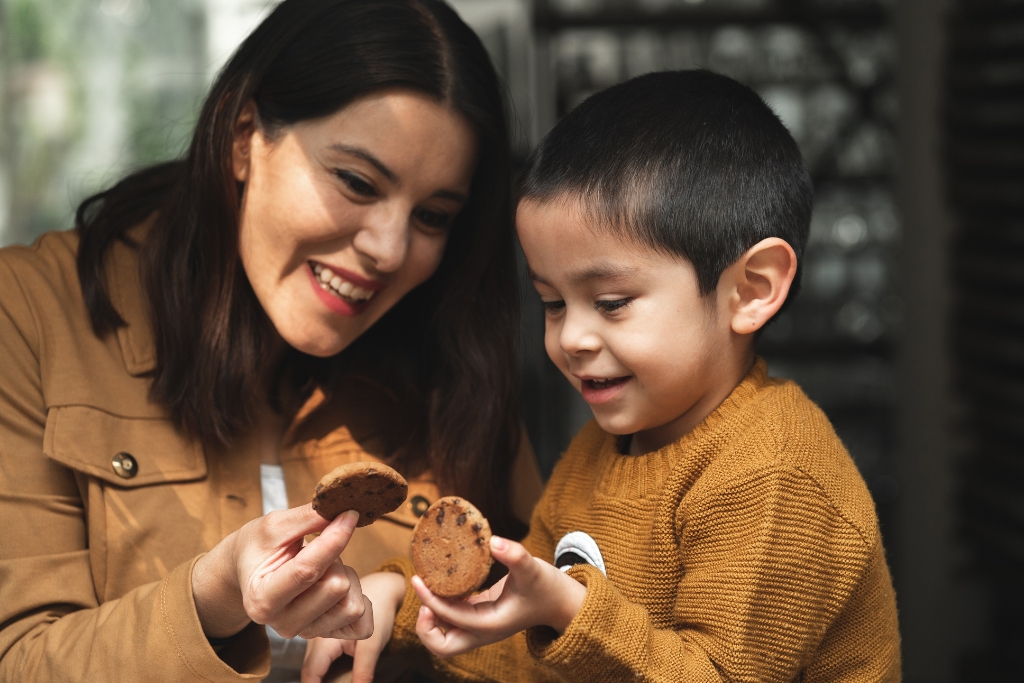
autism and diet
Supporting Gastrointestinal Health Without Pressure
Parents often feel pressure to “fix” selective eating quickly. Understandably so.
But forcing foods usually backfires. A better approach combines compassion with observation.
Practical Steps That Can Help
- Keep a food and symptom journal to identify triggers
- Notice patterns between meals and stomach discomfort
- Introduce new foods slowly without pressure
- Address GI issues in ASD with medical support first
- Consider working with feeding therapists familiar with neurodiversity
Managing gastrointestinal issues in children with autism usually works best when sensory and digestive needs are addressed together. Progress tends to happen gradually. And honestly, that’s okay.
Why Compassion Matters More Than Control
Families dealing with food selectivity often hear unhelpful advice. “They’ll eat if they’re hungry.” “Stop giving options.” “Just make them try it.” But food experiences in autism are rarely that simple.
The connection between autistic food restrictions and stomach sensitivities reminds us that eating can feel physically uncomfortable, emotionally overwhelming, or unpredictable for some individuals. When caregivers shift from pressure to curiosity, the picture often becomes clearer. Sometimes a food refusal is sensory. Sometimes it is medical. Often, it is both. Supporting gastrointestinal health while respecting sensory needs creates a better foundation for safer, more sustainable nutrition over time. Small steps usually matter more than dramatic changes.