Garden Vegetables Savings: What to Grow This Summer
garden vegetables savings
If you’ve walked out of a grocery store recently and wondered how a bag of vegetables ended up costing so much, you’re not imagining things. Fresh produce prices have become one of the biggest contributors to rising food bills. For families trying to eat healthier while keeping spending under control, that can be frustrating.
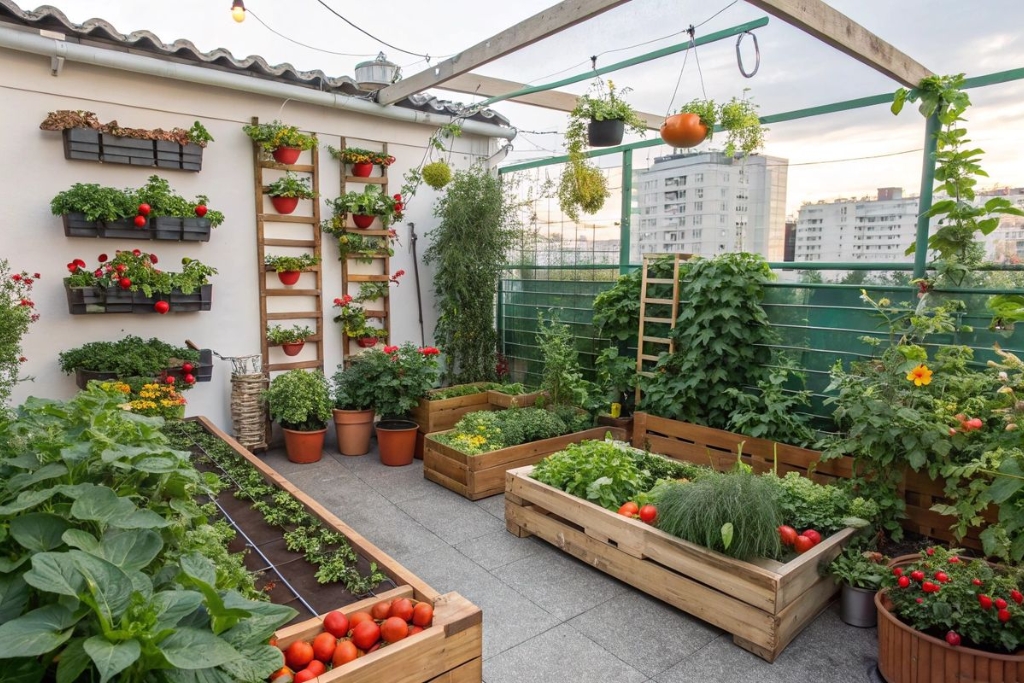
The good news is that garden vegetable savings don’t require a huge backyard, expensive equipment, or years of gardening experience. In fact, some of the vegetables that save the most money are surprisingly easy to grow. A few containers, a small patch of soil, or even a sunny balcony can produce enough food to make a noticeable difference in your grocery budget. The secret isn’t growing everything. It’s growing the right things.
Why Some Vegetables Save More Money Than Others
Many first-time gardeners choose vegetables based on what they enjoy eating. There’s nothing wrong with that, but if your goal is grocery savings, it’s worth thinking like a shopper as well. Some vegetables are already inexpensive at the store. Potatoes, onions, and carrots often cost relatively little compared to the time and space required to grow them. They can still be rewarding, but they aren’t always the best investment.
The strongest garden vegetable savings usually come from crops that are expensive to buy, spoil quickly, or keep producing throughout the season. These are the vegetables that stretch your gardening effort the furthest.
Tomatoes Still Deliver Incredible Value
Few plants work harder than tomatoes. A single healthy tomato plant can produce pounds of fruit over the course of a summer. If you regularly buy heirloom tomatoes or premium varieties, you already know how expensive they can be.
There’s also a huge difference in taste. Fresh tomatoes picked from the vine have a sweetness and depth that many store-bought options simply can’t match. That’s one reason they’re often at the top of every list of high-yield garden vegetables. For many households, tomatoes alone can generate meaningful grocery savings.
Salad Greens Keep Giving
One of the most overlooked money-saving crops is loose-leaf lettuce. Those pre-packaged salad mixes at the supermarket may seem convenient, but they often come with a high price tag and a short shelf life. Sometimes they start wilting before the week is over.
Growing your own greens changes that equation. Lettuce, arugula, spinach, and Swiss chard can be harvested repeatedly. Instead of pulling the whole plant, you simply cut a few leaves and allow the rest to continue growing. That makes them some of the best examples of cost-effective vegetables to grow.
Don’t Underestimate Herbs
If you’re looking for maximum return from minimal space, herbs might be the winners. A small container of basil, parsley, mint, or cilantro at the grocery store often costs several dollars. Meanwhile, one healthy herb plant can supply fresh leaves for months.
Fresh herbs also help elevate simple meals. A handful of basil can transform a basic pasta dish. Fresh mint can brighten drinks and salads. The savings add up quickly, especially during summer when these plants grow aggressively.
Zucchini and Beans Are Productivity Machines
Ask experienced gardeners about productivity, and zucchini usually enters the conversation within seconds. There’s a reason for that.
A couple of zucchini plants can produce more vegetables than most families expect. It’s common for gardeners to end up sharing their harvest with neighbors because the plants keep producing.
Beans deserve similar recognition. Whether you choose bush beans or pole beans, they’re among the cheapest vegetables to grow from seed and often provide weeks of continuous harvesting. These crops perfectly fit the idea of growing groceries at home because they deliver substantial yields from a relatively small investment.
Smart Ways to Increase Your Harvest
If your goal is grocery savings, focus on getting more food from less space.
A few simple strategies help:
- Grow vegetables from seed whenever possible.
- Harvest frequently to encourage more production.
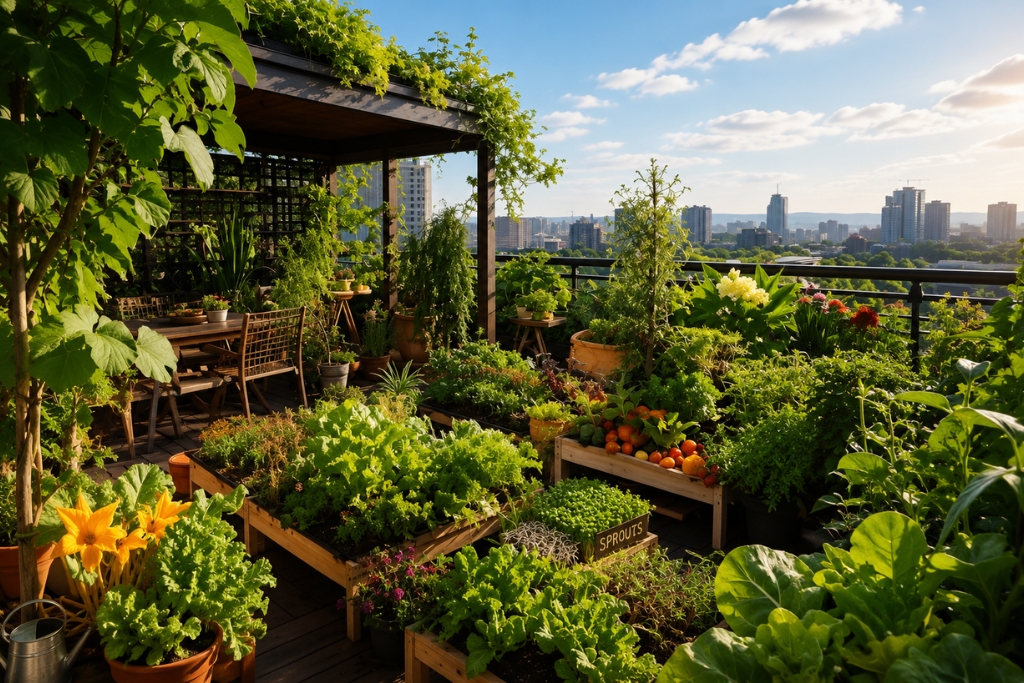
- Use containers if yard space is limited.
- Water deeply rather than lightly and frequently.
- Prioritize high-yield crops over low-value vegetables.
- Reuse buckets and containers instead of buying expensive planters.
Even small changes in gardening habits can dramatically increase the amount of food you harvest during the season.
vegetable gardening
Gardening Isn’t Just About Saving Money
The financial benefits are obvious, but they aren’t the whole story. Homegrown produce often tastes better, stays fresher longer, and encourages healthier eating habits. When fresh vegetables are growing just outside your door, you’re more likely to use them in everyday meals.
Many people also find gardening surprisingly relaxing. Spending a few minutes watering plants after work can be a welcome break from screens, schedules, and daily stress. That combination of savings, nutrition, and enjoyment is what makes vegetable gardening so appealing.
Conclusion
The best approach to garden vegetable savings isn’t planting the largest garden possible. It’s choosing crops that consistently deliver value. Tomatoes, salad greens, herbs, zucchini, and beans remain some of the smartest options for anyone looking to lower grocery costs this summer. With a little planning and regular harvesting, even a modest backyard garden can become a practical source of fresh food, healthier meals, and real grocery savings throughout the season. Whether you have a large yard or just a few containers on a balcony, growing part of your own food remains one of the simplest ways to stretch your budget while eating well.