Spot Foods Bad for Teeth Without Giving Up Every Treat

foods bad for teeth
If you’re brushing regularly but still dealing with sensitivity or cavities, looking at foods bad for teeth can help explain part of the problem. That doesn’t mean every snack needs scrutiny. What matters is how often your teeth encounter sugar or acid, how long it stays around, and whether you’re biting something hard.
A few changes can protect your smile without making meals complicated. Start by understanding the different risks, rather than treating every food on this list as something forbidden.
Why Foods Bad for Teeth Cause Different Problems
Tooth decay develops when plaque bacteria use sugars and starches to produce acids. Repeated exposure can remove minerals from enamel, the tooth’s protective outer layer. Early damage may be repaired with help from saliva and fluoride; an established cavity needs dental treatment.
Dental erosion is different: acids in food and drink directly wear away tooth tissue. Chewing hard objects creates another risk altogether, including chips and fractures. These distinctions explain why sugar-free doesn’t always mean tooth-friendly.
1. Sticky Dried Fruit
Raisins, dried figs, and dried mango can cling to teeth, extending contact with their sugars. They still offer nutrients, so there’s no need to treat them like candy.
Have a portion with a meal instead of repeatedly picking from a bag. Fresh fruit offers an alternative when you want something sweet between meals.
2. Citrus Fruit and Juice
Oranges, lemons, and grapefruit contain acids that can contribute to enamel erosion with frequent exposure. Constantly sipping lemon water or juice creates a different pattern from eating an orange with lunch.
Keep nutritious fruit in your diet, but avoid sucking lemon wedges or holding juice in your mouth. Among foods bad for teeth, exposure habits often matter as much as the ingredient.
3. Caramels and Sticky Sweets
Toffee, chewy sweets, and caramels combine sugar with a texture that can linger. Plaque bacteria can use that sugar to produce acids.
If sweets are part of the day, having them with a meal is preferable to stretching a packet across the afternoon. Repeated snacking gives teeth less time to recover between acid attacks.
 oral health habits
4. Potato Chips and Crackers
Chips and crackers may taste savory, but their starches can contribute to decay. Small pieces also collect between teeth, where they’re easy to overlook.
These aren’t automatically the worst foods for tooth enamel. Portion size, frequency, and cleaning habits all matter. Clean between teeth daily rather than assuming brushing reaches every trapped crumb.
5. Sports and Energy Drinks
Many sports and energy drinks contain sugar, acid, or both. Their fitness-focused packaging doesn’t remove those dental risks.
Check the label and avoid sipping them throughout the working day. Water is a practical everyday alternative. Choosing a sugar-free version reduces sugar exposure, but acidity can remain.
6. Regular and Diet Soda
Regular soda combines fermentable sugar with acidity. Diet soda removes the sugar component, but many varieties can still contribute to erosion.
When reviewing foods bad for teeth, remember that drinks count too. Keep soda occasional, preferably alongside a meal, and avoid swishing it around the mouth.
7. Vinegar-Pickled Foods
Pickled onions, gherkins, and other vinegar-preserved foods add sharpness to meals. Their acidity can also contribute to dental erosion when exposure is frequent. Enjoy them as accompaniments rather than repeatedly snacking on them alone. This is about managing contact with acid, not removing every tangy food from the plate.
8. Hard Candies and Ice
Hard candies create prolonged sugar exposure when sucked and a cracking risk when bitten. Ice contains no sugar, but chewing it can still damage teeth.
Let ice chill the drink. Choose something that doesn’t require crunching through a hard object when the urge to chew appears.
Dental Hygiene Tips That Fit Everyday Life
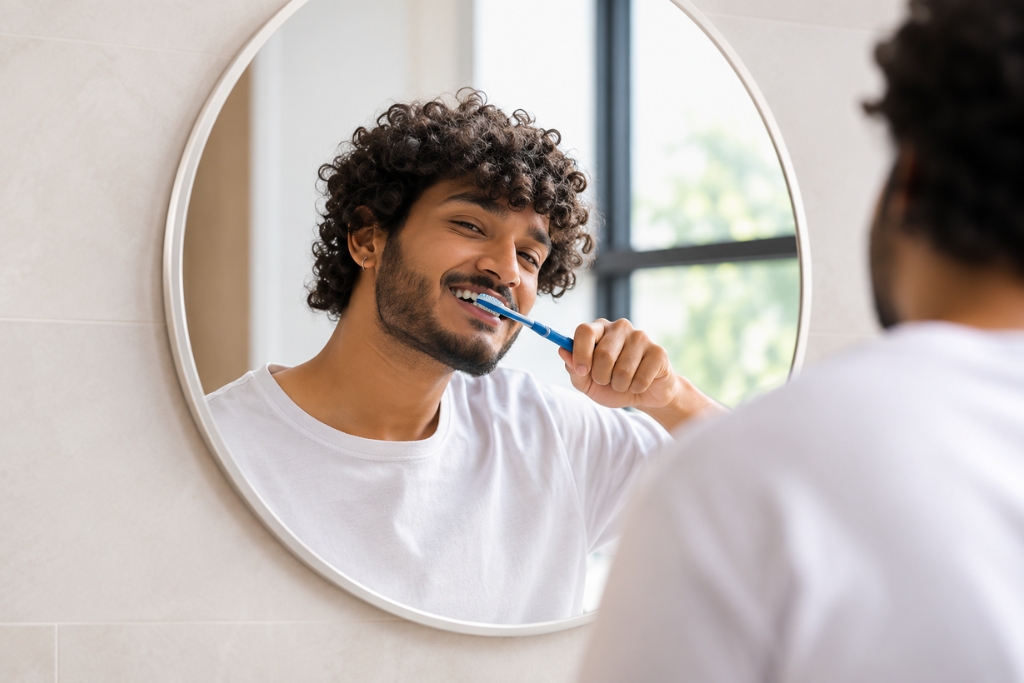
Protecting tooth enamel works best through consistent oral health habits:
- Rinse with plain water after acidic foods or drinks.
- Wait about an hour before brushing after acidic intake.
- Brush twice daily with fluoride toothpaste and clean between teeth daily.
- Keep sugary treats to mealtimes where possible.
- Avoid holding or swishing acidic drinks in your mouth.
Recognizing foods bad for teeth should make eating easier to manage, not stressful. Keep nutritious foods, reduce repeated sugar and acid exposure, and stop chewing hard objects. Persistent sensitivity, pain, or a suspected crack deserves a dental appointment. Small adjustments support dental care, but they can’t guarantee a cavity-free smile.