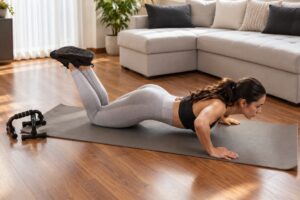
Make Room in Your Week for Balance Training After 50

balance training after 50
You might comfortably finish a long walk yet hesitate when stepping onto an uneven path. That can feel unsettling, especially when you’ve been exercising regularly. Balance training after 50 helps address this gap by practicing the control needed for everyday movement.
Walking farther and moving steadily are different abilities. Both deserve attention. If your routine includes plenty of cardio but little stability work, balance may be the missing piece.
The evidence doesn’t establish that balance training is more important than cardio for everyone over 50. Its value lies in adding skills that endurance exercise alone may not adequately challenge.
Why Everyday Movement Needs More Than Stamina
Stepping around a dog, turning while carrying shopping, or getting dressed requires constant adjustments. Most happen without conscious effort.
Your brain combines information from your eyes, inner ears, muscles, and joints to keep you upright. Proprioception is your sense of where your body parts are without looking at them. Together, these systems help coordinate movement and posture.
A stationary bike can challenge your heart while supporting your body. Standing on one leg presents a different task. That’s why stability workouts over 50 can complement familiar activities. They provide deliberate practice in controlling weight shifts and changing position.
What Balance Training After 50 Can Improve
Balance training benefits extend beyond holding a pose. Functional exercises practice movements involved in walking, stepping, and rising from a chair.
Research supports balance and functional exercise for reducing falls among older adults. One large review found these programs reduced the rate of falls by approximately 24% compared with inactive controls. Think of fall prevention exercise as a program built through practice, suitable progression, and attention to other risk factors.
Strength matters here too. The legs, abdomen, and back help control your position, so core strength after 50 belongs alongside lower-body training.
Keep the Walking Shoes in Rotation
There’s no reason to stop cardio because you’ve started working on stability. Endurance, strength, and balance support different parts of physical function.
For adults aged 65 and older, activity guidance recommends at least 150 minutes of moderate aerobic activity weekly, muscle-strengthening work on two days, and balance activities. Turning 50 doesn’t create an abrupt change in exercise requirements. Your current abilities, medical conditions, and goals should shape your plan.
If time is limited, start by adding a few supported balance exercises to an existing routine. You don’t need another demanding workout.
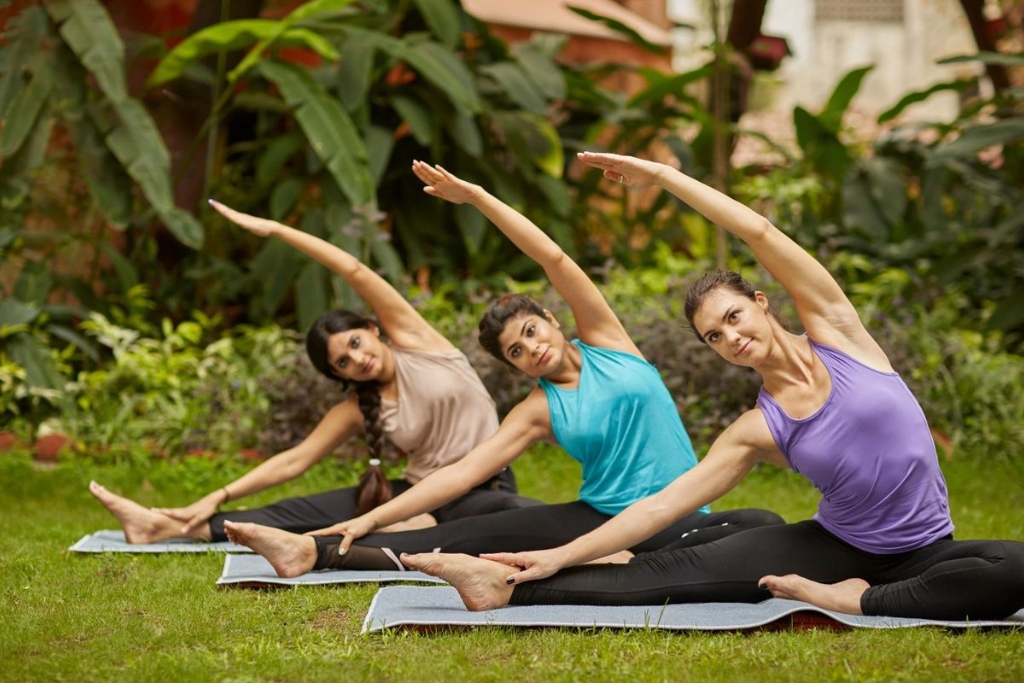 stability workouts over 50
Begin With Support, Not a Stopwatch
Choose a clear area beside a fixed counter or sturdy rail. Wear secure footwear, keep your eyes open, and make sure support stays within reach.
These beginner movements adapt established balance exercises:
- Supported single-leg stand: Hold the counter, lift one foot slightly, and pause briefly. Lower it gently before changing sides.
- Heel-to-toe walking: Walk beside your support, placing one foot directly ahead of the other. Take a few slow steps.
- Sideways stepping: Face the counter and take small steps sideways, bringing your feet together between steps.
Use your hands as much as needed. Short holds count; thirty seconds isn’t an entry requirement.
Balance training after 50 should feel manageable. You don’t need to wobble close to falling, close your eyes, or stand on an unstable surface to make practice worthwhile.
Notice Progress in Ordinary Tasks
A useful improvement might be a more controlled turn or greater ease stepping sideways. It doesn’t have to look impressive. Keep sessions brief enough to repeat comfortably. If an exercise feels unsafe, stop and seek help choosing an easier version. Repeated falls, persistent dizziness, or a new walking difficulty deserve assessment. Medication effects, vision problems, and inner-ear conditions can contribute, so more exercise isn’t always the answer.
Sudden balance loss accompanied by weakness, speech changes, or vision problems requires emergency medical attention.
Balance training after 50 works best within a routine you can sustain. Keep the activities that build endurance, include strength work, and give stability regular attention. Start with support and progress at your own pace. The aim is greater confidence in everyday movement, with each type of exercise contributing something useful.