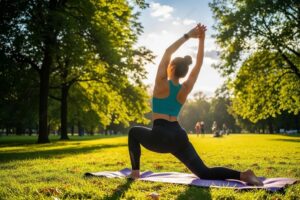
Feeling Overwhelmed? Try These Activate Vagus Nerve Exercises

activate vagus nerve
Your jaw tightens. Breathing gets quicker. Suddenly, one difficult conversation seems to occupy your whole body. If you’re searching for “activate vagus nerve” because you need relief now, the most useful starting point is simple: get comfortable and let your breathing slow without forcing it.
A short exercise may help take the edge off stress. It cannot guarantee instant anxiety relief, and feeling anxious after three minutes does not mean you’ve done anything wrong. The aim is to make the next moment more manageable.
What the Vagus Nerve Actually Does
The vagus nerve carries signals between the brain and organs including the heart and digestive system. It plays an important role in the parasympathetic nervous system, which helps regulate functions associated with rest and recovery.
“Vagus nerve reset” is a popular wellness phrase, not a precise medical procedure. Your nervous system does not need rebooting like a frozen laptop.
Medical vagus nerve stimulation uses electrical impulses delivered through specialized devices. Everyday breathing exercises are different. They may support relaxation, but describing them as an equivalent treatment overstates what they do.
An Activate Vagus Nerve Routine Without the Pressure
Think of this as a three-minute calming practice rather than a test of nerve activation. Sit somewhere supported, with your feet resting on the floor. Loosen anything that restricts comfortable breathing.
During the opening minute, notice your shoulders and jaw. Let them soften if possible. Breathe gently through your nose and release the breath through your mouth. There’s no need to take the biggest breath you can.
For the next minute, use an easy rhythm. You might count three while breathing in and four while breathing out, provided that feels comfortable. The counting is optional. Skip it if trying to match numbers makes you tense.
Spend the final minute noticing your surroundings. Look at the shape of a nearby object, feel the chair beneath you, and listen for sounds outside the room. Grounding can help redirect attention when anxiety feels overwhelming.
Does the Physiological Sigh Work?
One breathing approach uses an inhale followed by a smaller second inhale, then a slow exhale. Research on cyclic sighing found improvements in mood and breathing rate with five minutes of daily practice over a month.
That finding does not establish that three sighs will stop panic or directly measure successful vagus nerve activation. It does suggest that controlled breathing deserves attention as a stress-management tool.
Keep breaths comfortable. Repeatedly gulping air can become over-breathing, which may cause dizziness, tingling, and a feeling of breathlessness. Deep breathing exercises should feel gentle rather than like an effort to fill every corner of the lungs.
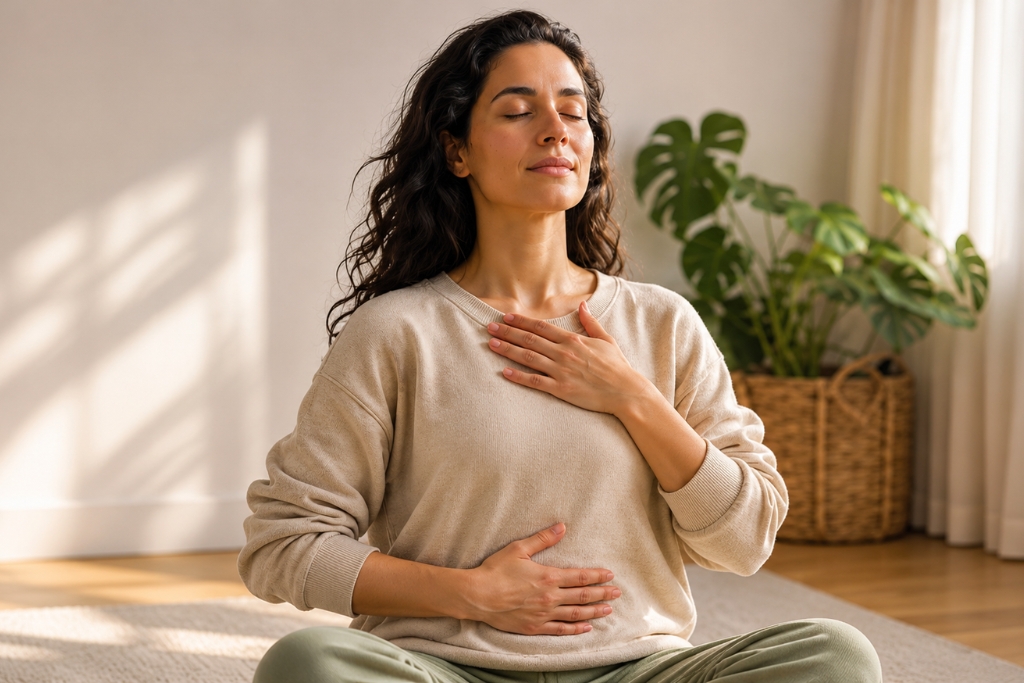 vagus nerve stimulation
Quick Tips When Stress Starts Building
- Keep your eyes open if closing them feels uncomfortable.
- Let your breath stay natural rather than holding it.
- Stop the exercise if you feel dizzy or lightheaded.
- Switch to noticing sights and sounds if breath focus increases anxiety.
- Practice during quieter moments so the routine feels familiar later.
These quick exercises to calm nervous system responses work best as options. There’s no requirement to finish the timer, produce a yawn, or feel completely relaxed.
Be Careful With Dramatic “Reset” Claims
Searches for how to “activate the vagus nerve” often lead to eye movements, freezing face baths, and promises of immediate relief. Evidence for specific online routines varies. A swallow, sigh, or yawn does not prove that an exercise has reset the nervous system.
There’s no need to force an extreme gaze, press on the neck, or use ice-water immersion to complete this routine. A comfortable breathing practice and grounding offer a simpler starting point.
Somatic anxiety exercises focus on bodily sensations. That can be helpful for some people, while others find external attention easier. Choose the approach that feels steadier.
Make Room for Support Beyond Three Minutes
A short pause can help with a stressful moment. Persistent anxiety needs a wider plan. Regular relaxation practice may help, while cognitive behavioral therapy and other established treatments address ongoing symptoms.
The useful question behind “activate vagus nerve” is what helps the body feel less overwhelmed. Start gently, notice your response, and avoid chasing a dramatic result. If anxiety keeps disrupting sleep, work, or daily life, discuss it with a healthcare professional. Three minutes can be a helpful beginning without having to solve everything.