Best Green Tea for Metabolism Boost and Fat Loss

green tea benefits
A lot of people turn to green tea for better health.
Weight management. Better focus. Maybe just a cleaner alternative to coffee. But here’s the issue. Most people are drinking it wrong… or choosing the wrong type entirely. So they don’t see results.
Green tea benefits in 2026 aren’t just about drinking more tea. They’re about drinking the right kind, in the right way.
What Makes Green Tea So Effective
Let’s simplify it. Green tea works because of two key compounds. Catechins and L-theanine.
Catechins, especially EGCG, support fat oxidation, heart health, and overall metabolism boost. L-theanine works on your brain function, helping you stay calm but alert. That’s why green tea gives you natural energy without the crash. What makes it unique is this balance—stimulation without stress. That’s something coffee doesn’t always deliver.
Matcha vs Sencha: The Core Difference
Most people start here. But they don’t always understand the difference. Ceremonial grade Matcha is more concentrated. You’re consuming the whole leaf in powdered form. That means a much higher EGCG concentration. If your goal is weight management or better focus, matcha is hard to beat. Sencha, on the other hand, is more balanced. It’s lighter. Easier to drink daily. And still rich in antioxidants. Think of it as your everyday detox tea. If you’re comparing ceremonial matcha vs sencha health benefits, it really comes down to intensity vs consistency.
Premium Teas That Actually Target Specific Needs
Once you move beyond basics, things get more interesting. Different green teas support different goals. Gyokuro shade-grown tea is known for its high L-theanine content. That means sharper mental clarity and a smoother energy curve. Hojicha roasted tea is completely different. Lower caffeine. Warm, nutty taste. Ideal for evenings when you still want the benefits without the stimulation.
Then there’s Cold-brew Mizudashi.
It’s softer. Less bitter. And surprisingly refreshing. Perfect if you struggle with the taste of traditional green tea. Choosing the right type based on your routine is what turns green tea from a habit into a tool.
How You Brew It Matters More Than You Think
This is where most people lose the benefits. Boiling water. Over-steeping. Rushing the process. All of that reduces the effectiveness of the tea.
If you want catechin-optimized brewing, keep it simple:
- Use warm water, not boiling
- Steep for 2 to 3 minutes only
- Add a squeeze of lemon to improve bio-availability
- Avoid milk; it can interfere with antioxidants
These small changes make a noticeable difference.
Why It Helps With Weight and Metabolism
Let’s address the most common reason people drink green tea. Weight loss. Green tea supports fat oxidation, especially when combined with movement. It doesn’t replace diet or exercise, but it enhances the process.
That’s why many consider it the best green tea for fat oxidation in 2026 when used consistently. It also helps regulate hunger slightly, thanks to its effect on satiety and blood sugar stability. So instead of extreme dieting, it supports a more sustainable approach to wellness.
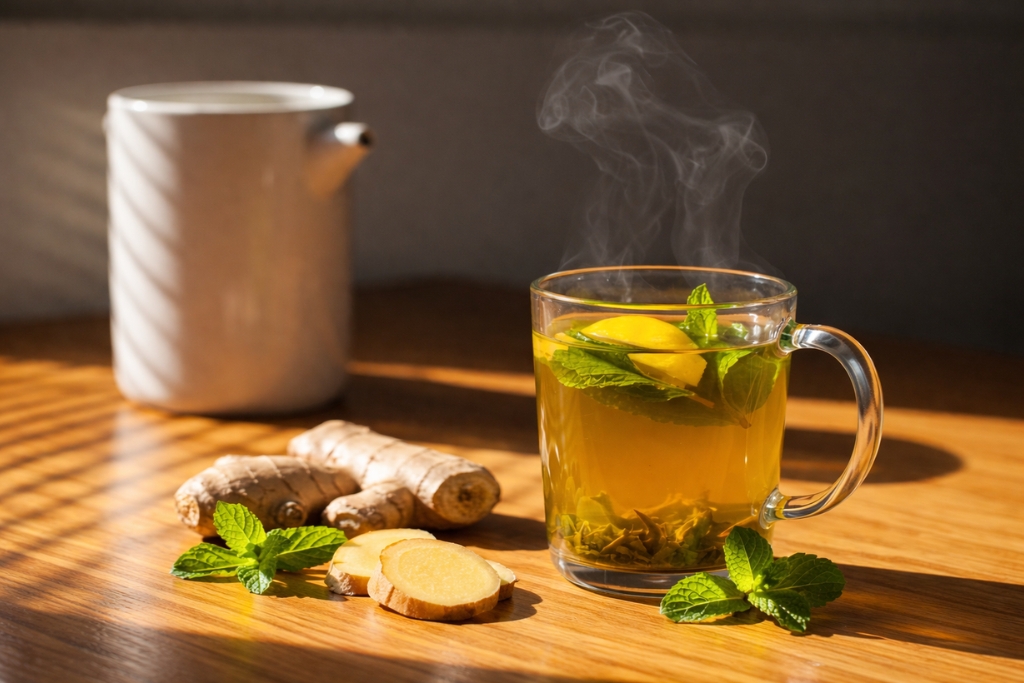
weight loss drinks
A Simple Way to Add It Into Your Routine
You don’t need to overthink this. Start with one cup a day.
Morning for focus. Afternoon for energy. Evening if you’re using a low-caffeine option like hojicha. Consistency matters more than quantity. One well-brewed cup daily is more effective than multiple rushed ones. And over time, you’ll notice subtle changes. Better focus. More stable energy. Less reliance on caffeine spikes.
What You Should Look For When Buying
Not all green tea is equal. Quality matters.
Look for:
- First harvest or spring-picked leaves
- Minimal processing
- Clear origin labeling
- Fresh, vibrant color (especially for matcha)
These details affect both taste and nutritional value.
Conclusion
Green tea has always been associated with health. But in 2026, the focus has shifted. It’s no longer about drinking it casually. It’s about using it intentionally.
When you choose the right type, brew it properly, and stay consistent, it becomes part of your overall wellness strategy. Not a quick fix. Not a trend. Just a simple habit that supports your metabolism, your brain, and your long-term health in a way that actually feels sustainable.