Simple heat wave safety steps for extreme weather
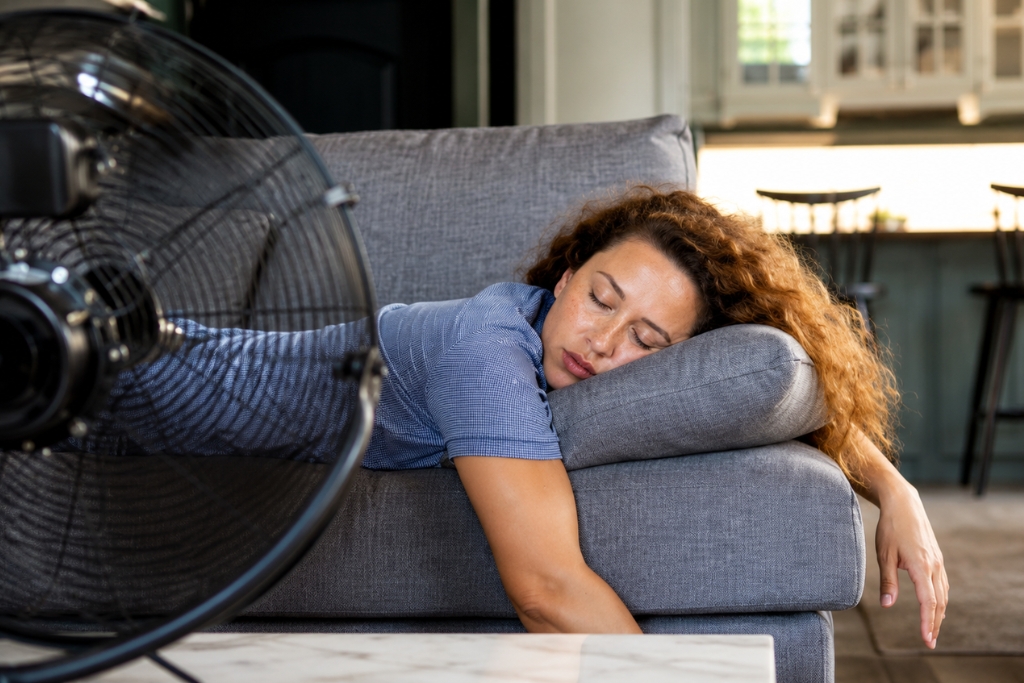
Heat wave safety
Heat wave safety becomes serious when summer heat stops feeling uncomfortable and starts affecting your body. That can happen faster than people think. You may be trying to sleep in a hot room, care for children, manage work, or look after an older family member without air conditioning. It’s easy to feel stuck when the house itself feels warm and there’s no quick fix.
But there are practical ways to lower risk. You cannot control the weather. You can control your room, routine, hydration, and warning signs.
Why heat feels worse in humid weather
Heat is not only about temperature.
Humidity matters because your body cools itself through sweating. When the air is very humid, sweat does not evaporate well. That means your body struggles to release heat. This is why a 95°F day can feel much more dangerous when humidity is high.
Wet bulb globe temperature is a heat-risk measure that looks beyond air temperature and considers humidity, sunlight, wind, and other conditions that affect how well the body cools itself. That is the reason heat can become dangerous indoors too, especially in rooms that trap warmth all day.
Heat wave safety starts with symptoms
The first part of Heat wave safety is knowing when your body is under stress. Heat illness usually builds in stages. It may start with cramps, thirst, headache, heavy sweating, or weakness. Then it can move into heat exhaustion, where dizziness, nausea, fast pulse, and faintness may appear.
Heat stroke is the emergency stage. Confusion, slurred speech, fainting, very hot skin, or a person acting strangely in the heat should never be ignored. Call emergency services immediately. Do not wait to “see if it passes.” Move the person to shade or a cooler area. Apply cool wet cloths, use ice packs if available, and loosen tight clothing while help is on the way.
Fans help, but not always
Fans can feel comfortable. They move air across the skin, and that may help sweat evaporate when the room is not extremely hot. But when indoor temperatures climb very high, a fan may only move hot air around.
That can worsen dehydration if you are already sweating heavily. So use fans smartly. Pair them with cool wet cloths, a bowl of ice nearby, cross-ventilation at night, or damp sheets when safe. Do not rely on a fan alone during extreme indoor heat. Heat wave safety needs more than airflow. It needs body cooling.
Cool the room before it heats up
The best time to protect your room is before the afternoon heat arrives. Close curtains early. Block direct sunlight. Use thick curtains, reflective shades, or even a light-colored sheet over sunny windows. Keep doors closed to rooms that trap heat. Avoid ovens and stovetops during peak heat.
Even small appliances add warmth. Choose no-cook meals, cold plates, fruit, curd, salads, sandwiches, or pre-cooked food when possible. At night, open windows only if outdoor air is cooler than indoor air. Open opposite windows to create a cross-breeze. This night-flush method can help release trapped heat before the next day begins.
Cool your body directly
When the room stays hot, focus on your body. Cooling the body directly works faster than trying to cool an entire house. Target pulse points where blood vessels sit closer to the skin.
Use cool cloths on your neck, wrists, ankles, behind the knees, and underarms. Take cool showers. Soak your feet in cool water. Wear loose cotton clothing. You can also create a cool sleeping corner on the lowest floor. Heat rises, so floors and lower rooms are often cooler than upstairs bedrooms. Use light bedding and avoid heavy blankets.
Smart moves during extreme heat
Use these simple steps when temperatures stay high:
- Drink water regularly, not only when thirsty.
- Add electrolytes if you are sweating heavily.
- Avoid alcohol during peak heat.
- Limit strong caffeine if it increases dehydration.
- Keep meals light and easy to digest.
- Check on older adults, children, and pregnant people.
- Move outdoor tasks to early morning or late evening.
- Wear loose, light-colored clothing.
- Use cool cloths before symptoms become severe.
- Know the nearest cooling center or public AC space.
These are basic steps, but they matter. Small actions add up during a heat wave.
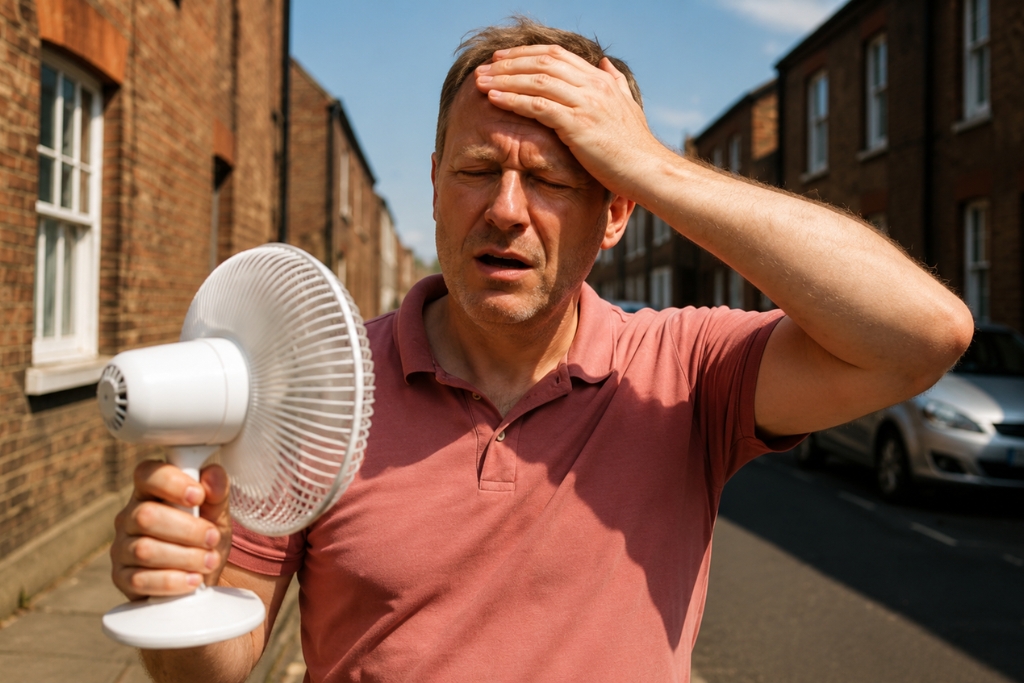
stay cool without AC
Hydration is not just water
Drinking water helps, but sweating also removes salts.
If you sweat heavily for hours, plain water may not be enough. Oral rehydration solutions, electrolyte drinks, salted lemon water, soups, or water-rich foods can help replace what you lose.
Do not overdo sugary drinks. The goal is steady hydration, not a sugar rush. Watch urine color too. Very dark urine, low urine output, dry mouth, dizziness, and extreme fatigue can point to dehydration.
Who needs extra protection
Some people face higher summer health risks. Older adults, babies, young children, outdoor workers, pregnant people, and those with heart disease, kidney disease, diabetes, or certain medications may overheat faster.
This does not mean they cannot manage hot weather.
It means the plan should start earlier. For vulnerable people, do not wait until symptoms appear. Create a cooling routine before peak heat. Keep water nearby. Arrange check-ins. Move to a public cooling space if the home stays dangerously hot.
Conclusion
Heat wave safety is about acting before heat becomes a medical emergency. If you do not have AC, focus on blocking sunlight, cooling the body directly, drinking fluids regularly, and watching for early symptoms of heat illness. Fans can help in mild heat, but they should not be your only plan when the room gets dangerously hot. Use cool showers, wet cloths, shaded rooms, night ventilation, and public cooling spaces when needed. Most importantly, take confusion, fainting, and extreme weakness seriously. Heat is manageable when you respect it early. It becomes dangerous when you try to push through.