Why Your Beauty Blender Is Causing Skin Breakouts
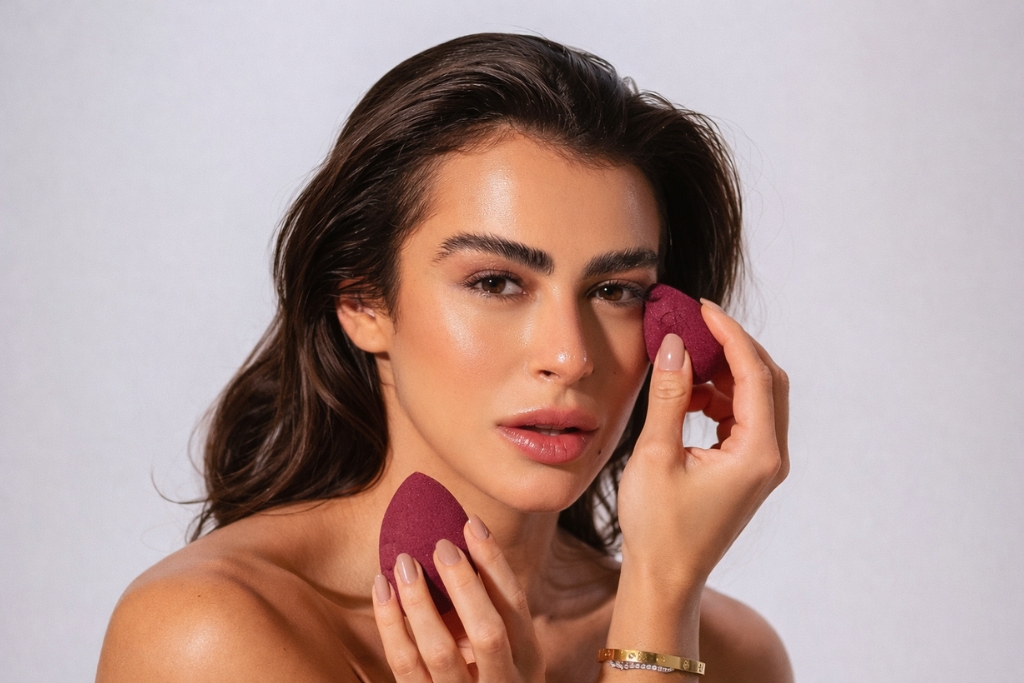
beauty blender hygiene
If you’ve been dealing with random breakouts lately, especially around your cheeks or chin, it’s easy to blame hormones, stress, or a new product. But sometimes, the cause is much simpler. That beauty blender sitting on your vanity. It looks clean. Feels soft. Works perfectly. But inside, it might be holding onto more than just foundation. And that’s where things start going wrong for your skin health.
Why Your Sponge Isn’t As Clean As It Looks
A beauty blender isn’t a smooth surface. It’s porous. That means every time you use it, it absorbs makeup, oil, dead skin cells, and even bacteria from your face. Now add moisture to that mix. You’ve basically created the perfect environment for bacterial acne and even fungal acne triggers. What makes it worse is that most of this buildup happens inside the sponge, not on the surface. So visually, it can still look “clean.”
The Most Common Mistake Everyone Makes
Here’s the mistake.
You rinse it. Maybe add some soap. Squeeze it a few times. The visible stains fade, so you assume it’s clean.
It’s not. This is one of the most common beauty blender cleaning mistakes causing breakouts. You’re only cleaning the outer layer.
Inside, there’s still trapped product and moisture. That’s where bacteria grow. That’s what gets transferred back onto your skin the next time you use it.
And over time, that cycle leads to repeated breakouts that don’t seem to go away.
The “Invisible Layer” You Can’t See
Inside your sponge, there’s often a thin layer of buildup that doesn’t wash out easily. Think of it like residue.
It holds onto oils and microbes, creating what’s essentially a hidden bacterial zone. Even if the sponge feels fresh, it isn’t fully clean.
That’s why surface-level washing doesn’t work.
You need to clean through the core.
Why Drying Matters More Than You Think
Cleaning is only half the story.
How you dry your sponge plays a huge role in hygiene. Leaving a damp beauty blender in a closed pouch or drawer traps moisture. No airflow. No evaporation.
That’s how beauty blender mold develops. And once mold forms, it’s not just about breakouts anymore. It becomes a bigger hygiene issue. For proper porous tool hygiene, airflow is just as important as washing. Without it, bacteria and fungi multiply quickly.
How to Actually Clean It Properly
If you want to avoid skin issues, your routine needs to go beyond a quick rinse.
Here’s what works in real life:
- Use lukewarm water and a gentle cleanser made for makeup tools
- Fully saturate the sponge before cleaning
- Squeeze repeatedly from the center, not just the surface
- Continue until the water runs completely clear
- Let it dry in an open, well-ventilated space
This is what deep-cleaning makeup tools actually looks like. It takes a bit more effort. But it makes a real difference.
A Small Detail That Can Trigger Big Breakouts
There’s another mistake people overlook. Using harsh soaps. Dish soaps or strong cleansers can leave behind residue. That residue then transfers to your skin, causing irritation that looks like acne.
It’s not always bacterial acne. Sometimes, it’s your skin reacting to what’s left behind. So your skincare routine might be fine. But your tools are working against you.
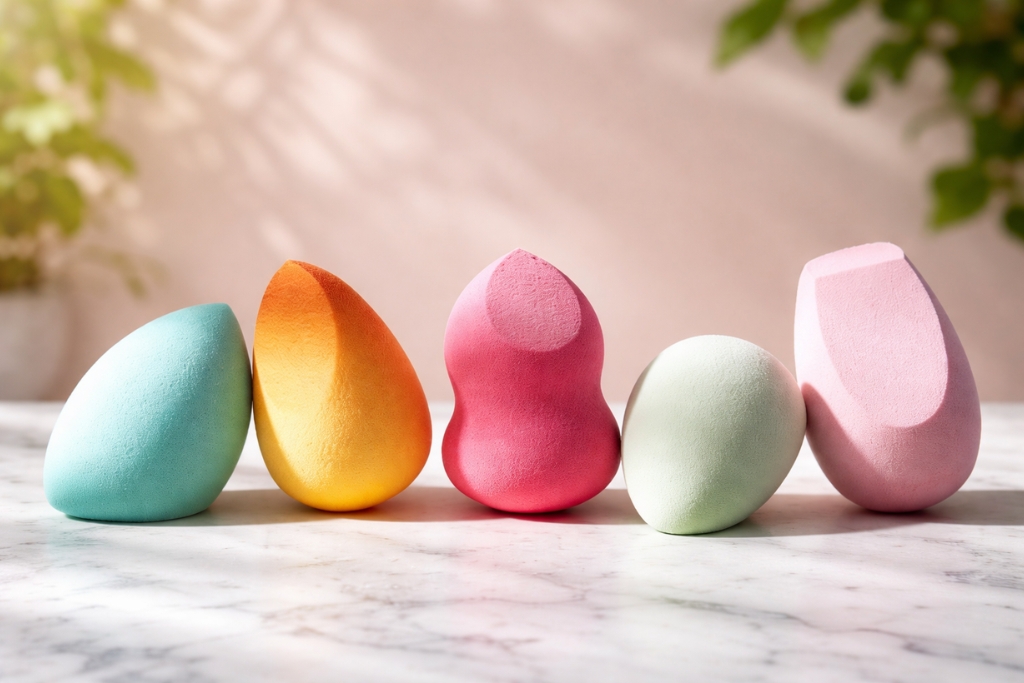
makeup hygiene
When to Replace Your Beauty Blender
Even with proper cleaning, sponges don’t last forever.
Over time, the material breaks down. It becomes harder to fully disinfect.
That’s why replacing your beauty blender every couple of months is recommended.
If you’re seeing repeated breakouts and nothing else explains it, this is one of the first things to check.
A Quick Reality Check
Most people focus on products. New serums. New cleansers. New treatments. But rarely do they look at their makeup tools. And that’s where the problem sits quietly. Preventing bacterial acne from dirty beauty blenders in 2026 isn’t about adding more skincare. It’s about fixing what’s already in your routine.
Conclusion
If your skin has been acting up without a clear reason, don’t overcomplicate it. Start simple.
Check your beauty blender. Clean it properly. Let it dry fully. Replace it when needed. Small habits like these make a bigger difference than most products. Because at the end of the day, skincare isn’t just about what you apply. It’s also about what you’re applying it with.