How Vagal Toning Improves Nervous System Fitness
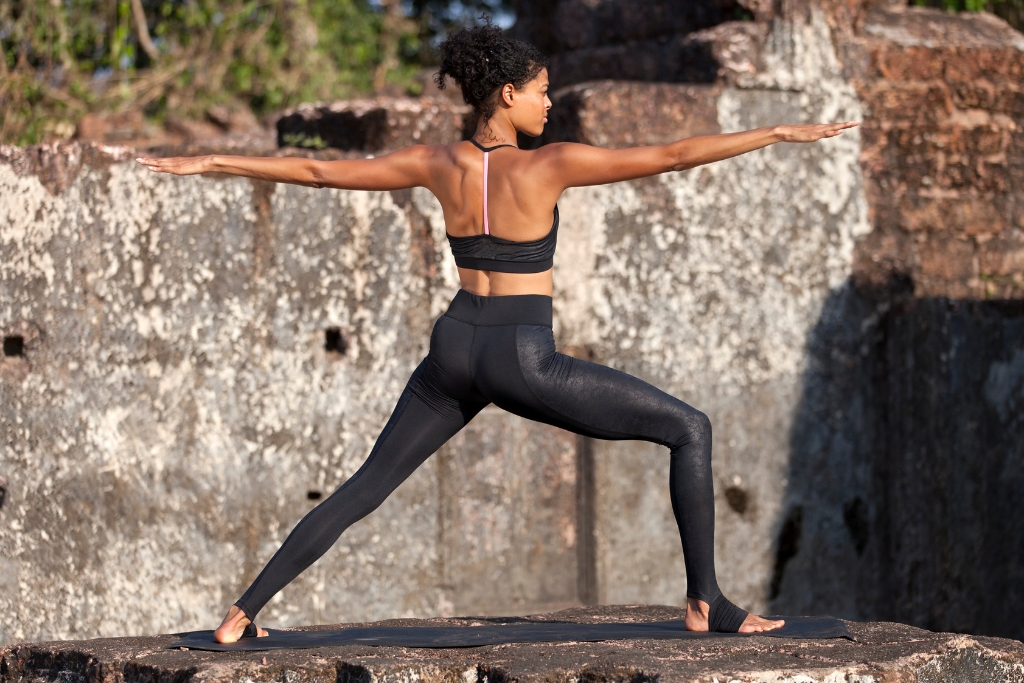
vagus nerve stimulation
For years, fitness success was measured by how hard you could push. More sweat. More reps. More exhaustion. But that definition no longer holds up. What people are chasing now feels quieter, almost invisible from the outside—a nervous system that can settle, adapt, and recover.
That shift has a name: Neuro-Flow. Instead of training your muscles to tolerate stress, you’re training your nervous system to regulate it. And at the center of this movement is vagal toning, a practice that has quickly become one of the most valued outcomes of modern exercise and yoga routines.
You’re no longer just working out to look fit. You’re working out to feel steady.
Why the Nervous System Became the New Fitness Metric
Your nervous system decides how your body reacts to almost everything—work pressure, sleep quality, digestion, emotional stress, and even how fast your heart recovers after exertion. When it stays stuck in “high alert” mode, no amount of stretching or strength training can fully undo the damage.
This is where the vagus nerve comes in. It runs from your brainstem through your neck, heart, lungs, and gut, acting as the main pathway for calming signals in the body. When it’s stimulated regularly, your system moves more easily from stress into recovery.
Vagal toning isn’t about doing more. It’s about teaching your body how to switch gears.
What “Neuro-Flow” Actually Looks Like in Practice
A Neuro-Flow session doesn’t resemble a fast-paced yoga class or a calorie-burning workout. It’s slower, more deliberate, and focused on sensation rather than performance. The goal is nervous system regulation, not physical fatigue.
Instead of holding poses for strength or flexibility, the movements target areas where the vagus nerve is easiest to influence—the neck, throat, diaphragm, and upper chest.
Common elements include:
- Slow breathing patterns, often reduced to five or six breaths per minute
- Gentle neck and shoulder releases to reduce tension around nerve pathways
- Vocal vibration, such as humming or low chanting, which stimulates the vagus nerve through the throat
- Eye and head coordination, subtle movements that signal safety to the brain
These techniques may look simple, but they produce measurable changes in how your body handles stress.
HRV Tracking and the Rise of Measurable Calm
One reason Neuro-Flow gained traction so quickly is data. You’re no longer relying on guesswork to know if something is working. Many people now use HRV tracking to see how their nervous system responds in real time.
Heart Rate Variability reflects how well your body adapts to stress. Higher HRV generally means better resilience and recovery. After consistent vagal toning practices, many people notice:
- Faster heart-rate recovery after activity
- Improved sleep consistency
- Less emotional reactivity during the day
- More stable energy instead of sharp peaks and crashes
This feedback loop has made yoga for longevity feel more tangible. You’re not just “feeling calmer.” You can see it.
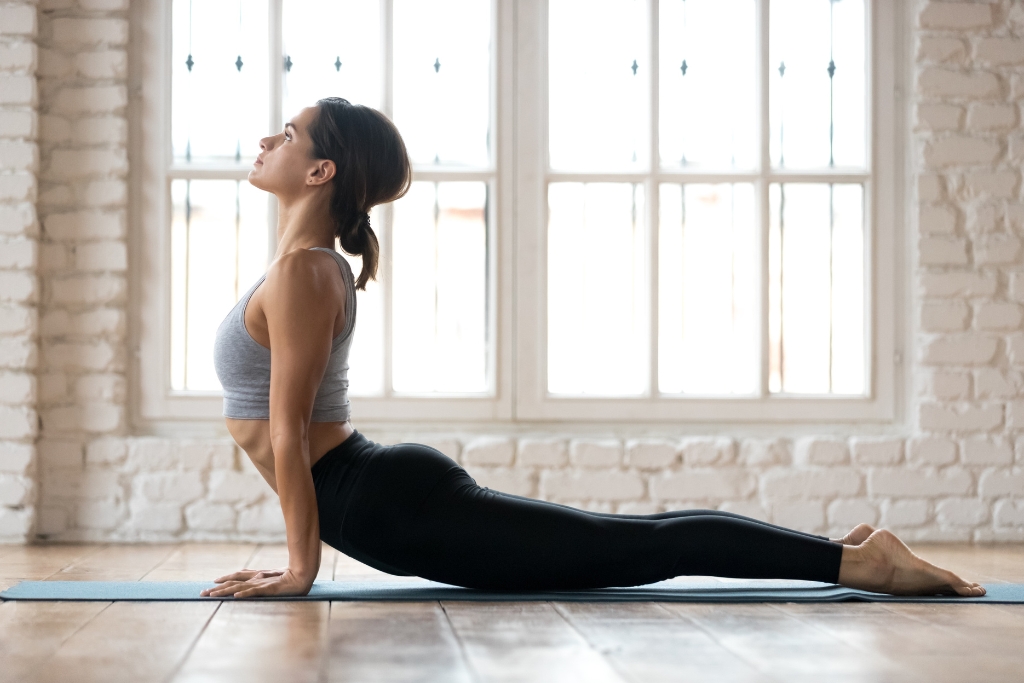
nervous system regulation
Somatic Yoga and the Shift Away From Intensity
Traditional fitness emphasized pushing past discomfort. Neuro-Flow takes the opposite approach. It uses somatic yoga, which focuses on internal awareness rather than external shape.
Instead of forcing flexibility, you move slowly enough to notice subtle signals—tightness, breath restriction, mental agitation—and respond in real time. Over time, this retrains your nervous system to interpret movement as safe instead of demanding.
This matters because chronic stress doesn’t just live in your mind. It shows up as shallow breathing, jaw tension, digestive issues, and poor recovery. Neuro-Flow works on the root, not the symptom.
Why This Practice Fits Modern Life So Well
Digital overload is now unavoidable. Screens dominate work, communication, and even leisure. Neuro-Flow acts as a form of digital fasting for the body, even if your phone stays nearby.
Many people pair their practice with what’s being called a dopamine menu—choosing low-stimulation activities that calm the nervous system instead of exciting it. Think slow movement, tactile sensations, and deliberate pauses.
Neuro-Flow also aligns naturally with broader wellness habits like analog play, calm tech use, and intentional recovery days. It doesn’t compete with strength training or cardio. It supports them.
The Heart–Nervous System Connection You Can’t Ignore
One of the reasons vagal toning gained attention is its link to heart health. Nervous system balance plays a major role in how your heart responds to stress, both physical and emotional.
As part of a broader heart age audit, practices like Neuro-Flow are now seen as preventive tools. A regulated nervous system supports healthier heart rhythms, steadier blood pressure patterns, and improved recovery.
This isn’t about replacing medical care. It’s about supporting it from the inside out.
The Real Fitness Upgrade Is Learning How to Downshift
Neuro-Flow represents a change in priorities. You’re no longer proving how much stress you can handle. You’re building the ability to recover from it.
Vagal toning doesn’t demand perfection, flexibility, or peak performance. It asks for attention, consistency, and patience. Over time, the reward isn’t just calm—it’s resilience.
When your nervous system knows how to settle, everything else works better. And that may be the most valuable fitness outcome you can train for.