How to Plan Your Mealtimes for Maximum Weight Loss
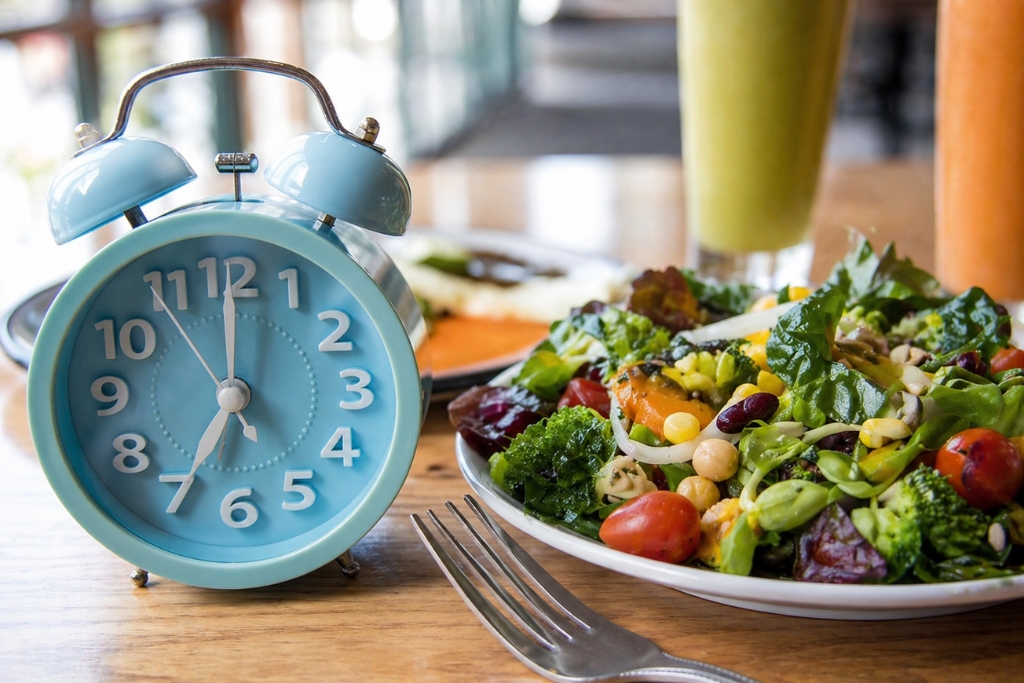
how to plan your mealtimes
If you’ve been doing everything “right” but the scale won’t move, it can feel frustrating. You track calories, follow a diet plan for weight loss, and still… nothing changes. Here’s the part most people miss—timing matters more than they think.
That’s exactly where how to plan your mealtimes for maximum weight loss 2026 comes in. It’s not just about eating less. It’s about eating smart, at the right time, when your body is actually ready to use that energy.
Think of your metabolism like a business. When operations run during peak hours, performance improves. When they don’t, efficiency drops. Your body works the same way.
Why Your Body Runs on a Schedule
Your body doesn’t process food the same way all day. In the morning, insulin sensitivity optimization is at its peak. That means your body handles sugar better, burns energy faster, and stores less fat.
By evening, things slow down. Postprandial glucose levels stay elevated longer, and your metabolism shifts toward storage mode. That late-night meal? It’s far more likely to sit rather than burn.
This is where chrononutrition and circadian rhythm eating start to make sense. Aligning meal timing with your internal clock isn’t a trend. It’s basic biology.
eTRF: The Smarter Way to Use Intermittent Fasting
You’ve probably heard of intermittent fasting. But in 2026, the smarter version is eTRF (Early Time-Restricted Feeding). Instead of eating late into the night, you move your eating window earlier. Think breakfast at 8:00 AM, last meal by 4:00 PM. Simple shift. Big impact.
Here’s why it works:
- Your metabolism boost is stronger earlier in the day
- Hormonal hunger regulation becomes more stable
- Sleep improves because digestion isn’t competing with recovery
This approach makes how to plan your mealtimes for maximum weight loss 2026 far more practical. You’re not starving. You’re just timing things better.
Front-Loading Calories Actually Works
There’s a reason the old saying still holds up—eat more earlier, less later.
When you front-load calories, your body uses them efficiently. Diet-induced thermogenesis is higher in the morning, meaning you burn more energy just digesting food. Compare that to a heavy dinner. Same calories. Very different outcome.
This shift also helps with natural calorie management. You feel fuller during the day, and late-night cravings drop. Not because of discipline, but because your body isn’t fighting you anymore.
Metabolic Flexibility: The Real Goal
Most people focus on fat-burning tips without understanding the mechanism. What you’re really aiming for is metabolic flexibility. That’s your body’s ability to switch between fuel sources. Glucose when you eat. Fat when you don’t.
If you’re constantly snacking, your body stays stuck in “burn sugar” mode. No break. No shift. No fat burning. By structuring your day with healthy meal timing, you allow your system to reset overnight. That’s where the real change happens. Quietly. Consistently.
A Practical Way to Plan Your Day
You don’t need a complicated system. You just need a rhythm. Here’s a simple structure that supports how to plan your mealtimes for maximum weight loss 2026:
- Morning: High-protein, balanced carbs to kickstart energy
- Midday: Fiber-rich meal for sustained focus
- Afternoon: Light snack to avoid crashes
- Evening: Stop eating early and switch to hydration
That’s it. No extreme restrictions. Just alignment.

intermittent fasting
Smart Moves Most People Miss
- Skipping breakfast and overeating at night
- Eating large meals too close to sleep
- Constant snacking that blocks fat burning
- Ignoring hunger patterns and energy dips
Small adjustments here can change everything. That’s the difference between effort and results.
Where This Actually Fits in Real Life
Here’s the catch. You don’t need perfection. Some days will be messy. Work runs late. Plans change. That’s normal. The goal isn’t to follow a strict clock—it’s to build a pattern your body can rely on.
A consistent eating window, even 80% of the time, improves metabolism, supports weight loss 2026 goals, and stabilizes energy levels.
Conclusion
The truth is, most people aren’t failing their diet—they’re mistiming it. Once you understand how to plan your mealtimes for maximum weight loss 2026, things start to click. You’re not forcing results anymore. You’re creating the conditions for them. And that’s where sustainable change actually begins.