Why Pilates Core Training Fits Modern Fitness Goals

pilates core training
Not long ago, fitness culture was built around extremes. You were expected to push harder, sweat more, and chase soreness as proof of progress. That mindset is quietly fading. What’s replacing it is something far more sustainable, a shift toward Longevity Fitness, where the goal isn’t exhaustion but strength that lasts.
This is where Pilates core training steps in. Once seen as a niche workout or a recovery add-on, Pilates and modern yoga-based core training are now becoming the foundation of how people move, train, and even dress. The rise isn’t accidental. It’s a response to how we actually live today.
From Burn to Build: The New Fitness Priority
You sit more than previous generations. You work longer hours, often in front of screens. Even if you exercise regularly, chances are your spine, hips, and deep core aren’t getting the attention they need.
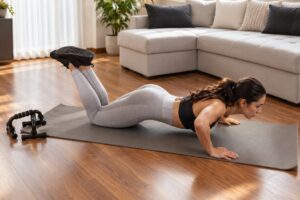
Pilates-core training focuses on stabilizing muscles that traditional workouts often ignore. Instead of chasing visible abs, you train the deep layers that support your spine, protect your joints, and improve balance. This kind of Muscle Preservation is increasingly important, especially as more people adopt metabolic eating plans or follow GLP-1 diet protocols where maintaining lean mass matters.
The appeal is simple: you get stronger without breaking down your body.
Why Pilates Fits Modern Bodies Better
Unlike high-impact training, Pilates and yoga-based core work strengthen you without stressing your joints. Movements are controlled, intentional, and built around alignment. That’s why so many physical therapists now recommend Pilates for people dealing with back pain, poor posture, or mobility issues.
There’s also a mental benefit. Pilates demands focus. You’re forced to slow down, coordinate breath with movement, and stay present. In a world driven by constant notifications and AI-assisted work, that kind of Analog Play has become a form of mental recovery.
Many people report improved concentration, better mood, and more stable energy, benefits often associated with Brain Fuel rather than exercise.
The Rise of Street-to-Studio Living
Pilates isn’t just influencing workouts. It’s reshaping how fitness fits into everyday life. The rise of Street To Studio culture reflects a desire for movement that blends seamlessly into daily routines.
Instead of changing outfits multiple times a day, people now invest in versatile athleisure that works everywhere. High-waist flared leggings have made a strong return, not as a fashion gimmick, but because they support movement, offer gentle compression, and still look polished enough for errands or casual meetings.
You’re no longer dressing for the gym. You’re dressing around movement.
Gear That Supports Balance and Flow
The equipment trend mirrors the mindset shift. Heavy machines and loud setups are giving way to clean, minimal tools designed to support Balance And Flow.
Some of the most popular Pilates core essentials right now include:
- Reformer yoga mats with glide zones that mimic studio resistance
- Lightweight ankle and wrist weights for controlled strength building
- Adjustable blocks and straps that support mobility instead of forcing range
These tools aren’t about intensity. They’re about control, stability, and long-term joint health.

deep core strength
Pilates and Longevity Fitness Go Hand in Hand
Longevity isn’t about doing more. It’s about doing what your body can maintain. Pilates-core training improves posture, protects spinal health, and supports metabolic balance by keeping muscle active and engaged.
As conversations around gut health in 2026 and metabolic eating become more mainstream, Pilates fits neatly into a bigger wellness picture. You’re not just training muscles, you’re supporting digestion, nervous system regulation, and overall resilience.
That’s why Pilates is increasingly recommended alongside strength training rather than instead of it. It fills the gaps traditional workouts leave behind.
The Mental Reset People Didn’t Know They Needed
There’s another reason Pilates-core training is taking off: it feels good without being performative. You don’t leave class overstimulated. You leave centered.
Studios are leaning into this by creating calmer environments with softer lighting, quieter music, and fewer distractions. Some even pair sessions with skincare recovery rituals, acknowledging that Skin Longevity and stress management are deeply connected.
Movement becomes restoration, not punishment.
Why This Trend Is Sticking
Fitness trends usually burn hot and disappear. Pilates-core training is different because it solves real problems. It helps you move better, think clearer, and age with strength.
You don’t need extreme discipline to stick with it. You need consistency, and that’s what makes it sustainable.
Whether you’re managing stress, protecting muscle, or simply looking for a workout that respects your body, Pilates-core training fits the reality of modern life.
Strength That Supports Life
Pilates isn’t replacing strength training or cardio. It’s redefining what strength means. In a culture finally prioritizing health span over burnout, Pilates core training offers something rare: progress without punishment.
If the future of fitness is about lasting well, this is exactly where it begins.