Live Ferments and Postbiotics for Better Digestion

microbiome diversity diet
For a long time, gut health advice followed a familiar script. Add fiber, take probiotics, hope digestion improves. It helped some people, but not always in a lasting way. In 2026, the conversation has shifted. Instead of asking which bacteria you should swallow, you start asking what those bacteria actually produce once they’re inside you.
That is where postbiotics come in. These are the compounds microbes release during fermentation. Enzymes, fatty acids, and fragments of cell walls. They sound technical, but the idea is simple. The bacteria are not the finish line. Their byproducts are.
The Part We Used to Miss
You were taught probiotics were the goal. Get the live cultures, protect them from stomach acid, and everything would fall into place. The reality turned out messier. Many bacteria never survived the journey. Even when they did, results varied.
Postbiotics changed the understanding. They remain stable. They don’t need to stay alive to help you. Instead, they interact directly with your gut lining.
Some of these compounds fuel the cells that form your intestinal barrier. When that barrier weakens, irritation and inflammation often follow. Strengthening it helps your body regulate itself better. That’s why discussions around probiotics vs postbiotics now lean toward the latter as the real workhorses.
From Supplements to Living Food
You can see the shift happening in kitchens more than pharmacies. Functional fermentation is replacing capsules. Instead of a sealed bottle, you look for food that looks alive.
This idea is often called transparent biology. You can smell it, taste it, even hear it slightly fizz. The point isn’t novelty. It’s bio available nutrition. The body recognizes food ecosystems more easily than isolated lab cultures.
Rather than one large dose, the goal becomes regular exposure. A spoonful here, a small portion there. Consistency over intensity.
Not All Fermented Foods Are Equal
Many packaged ferments are pasteurized for convenience. That keeps them stable but removes the living element. Without active cultures, postbiotic production drops.
Wild fermented vs. store-bought becomes a meaningful choice. Raw products usually taste sharper and spoil faster. Both are signs the microbes are still working.
You do not have to ferment everything yourself, but reading labels starts to matter. Words like “unpasteurized” or “naturally fermented” usually signal active life remains in the jar.
Building a Simple Biotic Routine
You do not need dozens of products. Variety matters more than quantity. Rotating foods feeds different microbes, which then produce different postbiotic metabolites.
A balanced rotation might include:
- Unpasteurized miso benefits the intestinal barrier through enzyme activity
- Drinkable skyr brands support protein intake and the gut brain axis food connection
- Wild fermented vegetables help fibermaxxing by feeding microbes that produce short chain fatty acids
The point is coverage. Different microbes, different outputs, wider support for digestive health.
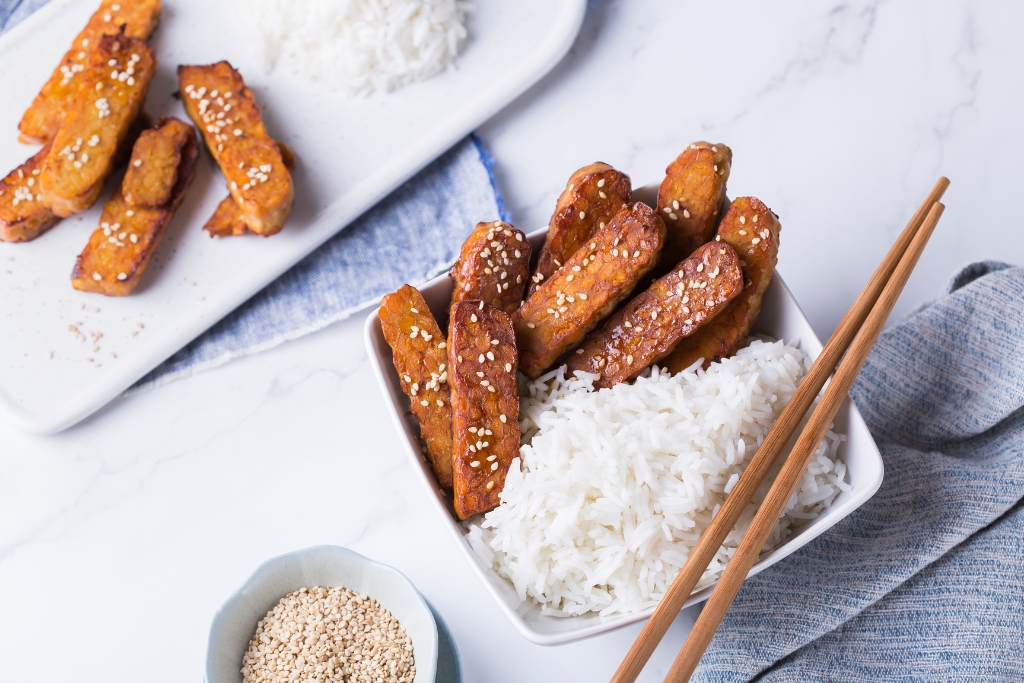
functional fermentation foods
Why Postbiotics Matter for Gut Repair
One reason postbiotics 2026 gained attention is their reliability. Bacteria can die before reaching the colon. Their byproducts remain active regardless.
Compounds like butyrate nourish colon cells directly. They help tighten the junctions between them, reducing unwanted permeability. This connects to ongoing interest in why postbiotics are the 2026 trend for leaky gut repair.
It is less dramatic than marketing promises. More steady. Over time, a supported barrier tends to calm inflammation rather than fight it constantly.
The Gut and Mood Link
Nutrition discussions now include mental resilience. The gut-brain axis food concept reflects how neurotransmitter balance depends partly on digestive activity.
Supporting microbiome diversity does not instantly change mood, but it stabilizes it. People often describe fewer energy crashes and clearer thinking rather than emotional spikes.
It feels less like stimulation and more like steadiness.
Making It Practical
You do not need complicated meal plans. Small habits are enough.
- Morning might include fermented dairy.
- Lunch could add vegetables with active cultures.
- Dinner might include miso or fermented grains.
Each exposure feeds microbes and encourages postbiotic production without turning meals into projects.
Conclusion
The shift toward postbiotics is less about abandoning probiotics and more about understanding them better. You stop focusing only on what enters your body and start paying attention to what your internal ecosystem produces afterward.
Live ferments provide steady support rather than quick fixes. Over time, that support strengthens digestion, immunity, and even mental steadiness. The change feels gradual, almost quiet, but it tends to last longer. Instead of forcing balance from the outside, you allow it to develop from within, which is usually how the body prefers to work anyway.