Calorie Counting Mistakes That Slow Fat Loss
calorie counting
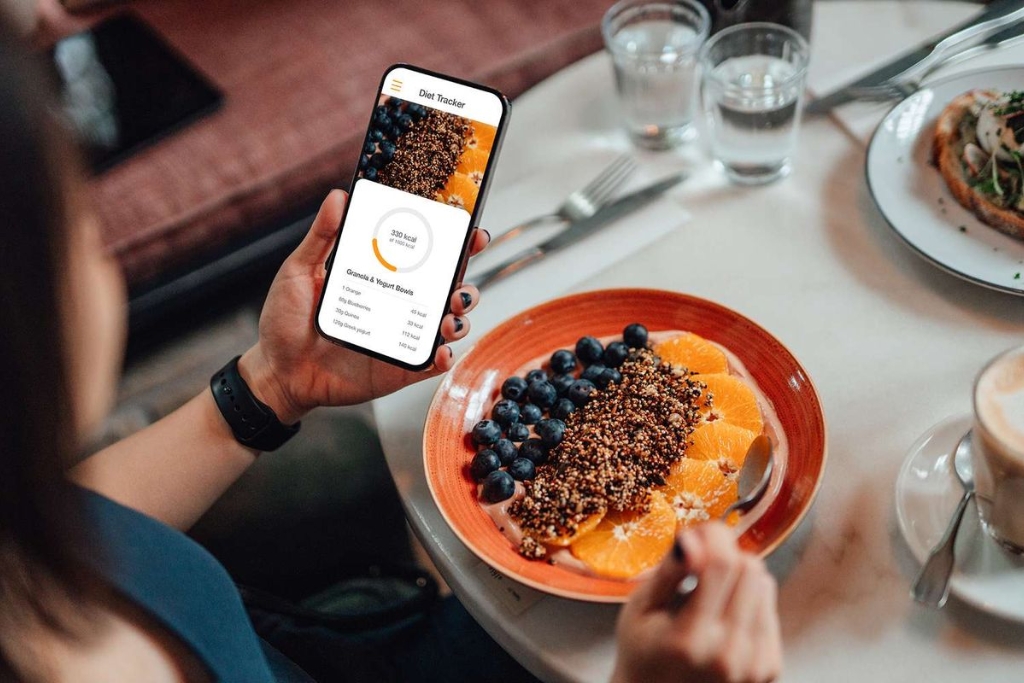
If you’ve ever downloaded a calorie tracking app, weighed your food for two weeks, lost a few pounds, then suddenly gained everything back, you’re not alone. A lot of people quietly blame themselves when calorie counting stops working. But the problem usually isn’t discipline. It’s the approach itself.
The conversation around calorie counting has started changing in a big way. More people are realizing that sustainable weight loss depends less on obsessive tracking and more on how your body responds to food, stress, hormones, sleep, and daily habits. That matters because your body isn’t a calculator. It’s adaptive. Emotional too, in some ways.
Why Calorie Counting Stops Working
The biggest issue with strict calorie counting is that the body eventually adjusts. When calories drop too low for too long, the metabolism often slows down to conserve energy. This process is called metabolic adaptation.
Your body becomes more efficient at surviving on less food. That sounds useful from an evolutionary standpoint. But for fat loss? It becomes frustrating fast.
People often notice:
- Energy crashes
- Increased cravings
- Slower metabolism
- Constant hunger
- Weight loss plateaus
- Obsession with food choices
That’s why many restrictive diets initially work, then suddenly stop.
Hunger Is More Hormonal Than Most People Think
Diet culture trained people to believe hunger equals weakness. It doesn’t.
Your body uses satiety hormones like leptin and ghrelin to regulate fullness and appetite. Aggressive calorie restriction can disrupt those signals badly. Ghrelin rises. Hunger intensifies. Cravings become harder to ignore.
At the same time, elevated stress from strict dieting may increase cortisol levels. That combination can affect sleep, energy, mood, and even abdominal fat storage. This is one reason why people searching for weight loss tips often feel stuck despite “doing everything right.”
Food Quality Matters More Than Numbers
One major flaw in calorie counting is the assumption that all calories behave the same way inside the body. They don’t. A processed snack bar and a high-protein whole food meal may contain identical calories, but they create very different metabolic responses. Protein has a higher thermic effect of food, meaning the body burns more energy digesting it.
Whole food nutrition also supports gut microbiome health, blood sugar stability, and long-term satiety in ways ultra-processed foods simply can’t. That’s why many nutrition experts now focus on nutrient density instead of aggressive restriction.
What to Do Instead of Tracking Every Bite
If you want sustainable weight loss without feeling trapped by numbers, shifting toward mindful eating usually works far better long term.
That doesn’t mean “eat whatever you want.” It means paying closer attention to physical hunger, fullness, energy levels, and food quality rather than relying entirely on apps.
Helpful habits that actually last
- Prioritize protein and fiber at meals
- Eat slowly to improve satiety hormones
- Focus on whole food nutrition most of the time
- Reduce ultra-processed foods gradually
- Build movement into daily life instead of punishing workouts
- Sleep consistently to support metabolism
These healthy habits create structure without turning eating into constant mental math.
The Problem With “Low Calorie” Foods
Many low-calorie products marketed through diet culture create a strange cycle. They reduce satisfaction while increasing cravings later.
Foods loaded with artificial sweeteners or stripped of fats often fail to keep people full. That’s partly because fullness depends on more than calories alone. Texture, protein, fiber, digestion speed, and glycemic index all influence satiety.
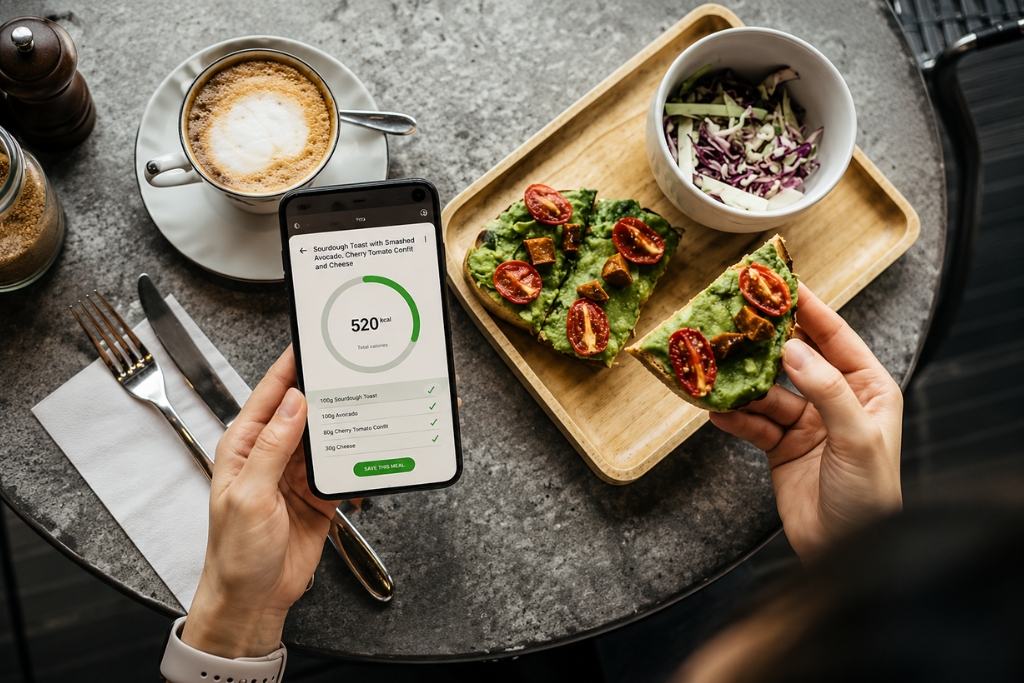
A bowl of Greek yogurt with berries and nuts may contain more calories than a “diet snack pack,” but it often keeps hunger away much longer. That difference matters.
sustainable weight loss
Intuitive Eating Isn’t About Giving Up
Some people misunderstand intuitive eating as eating without structure. That’s not really accurate. Done properly, intuitive eating rebuilds trust with your body after years of restrictive dieting. It encourages awareness rather than obsession. You begin recognizing genuine hunger instead of emotional or stress-based eating patterns.
This approach also reduces the burnout that comes from constant calorie counting. That mental exhaustion is one reason many diets fail long term.
Why Movement Should Feel Supportive
Exercise changes when weight loss stops being punishment-based.
Instead of using workouts purely to “burn off” meals, people who succeed long term usually focus on movement that improves mood, energy, metabolism, and consistency. Walking, resistance training, Pilates, cycling, swimming, and low impact fitness routines all support fat loss differently than endless cardio sessions. The goal becomes sustainability instead of exhaustion.
A Smarter Way to Think About Weight Loss
One of the biggest shifts happening around nutrition right now is the understanding that long-term health rarely comes from extremes. Strict tracking may help short term awareness, but for many people, obsessive calorie counting creates stress, guilt, rebound eating, and a damaged relationship with food.
A more effective approach usually combines mindful eating, whole food nutrition, balanced movement, proper sleep, and metabolic support rather than endless restriction. Weight loss becomes far more manageable when your body feels nourished instead of constantly deprived. Sustainable results rarely come from eating as little as possible. They come from building habits your body can realistically maintain without burnout.