Outdoor Safety Starts With Tick Bite Prevention
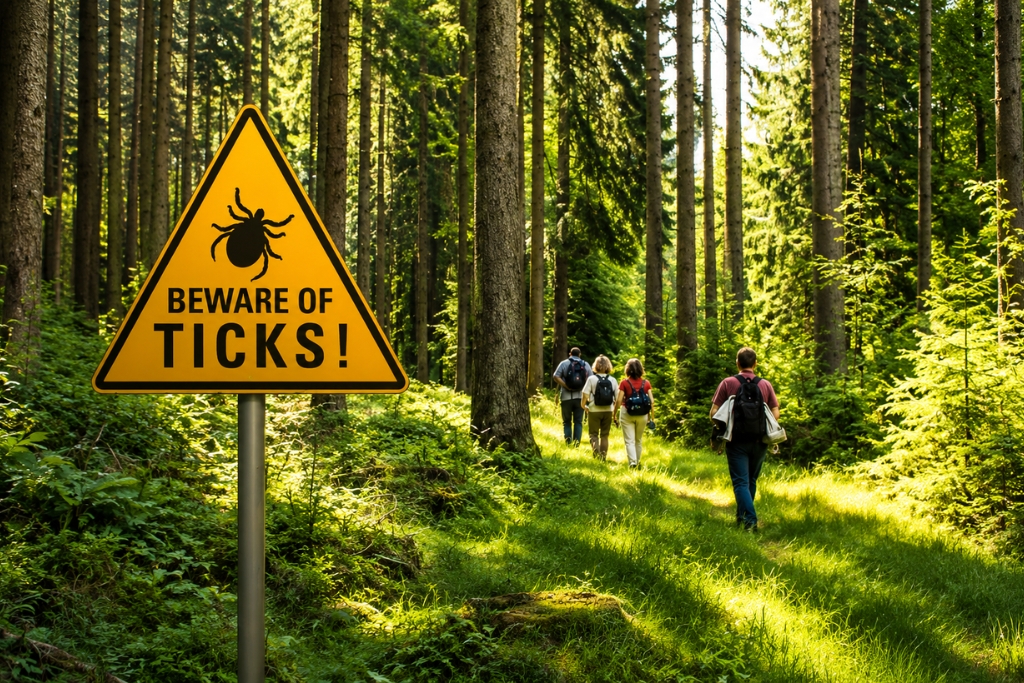
Tick Bite Prevention
Warmer weather pulls most of us outside. Hiking trails get busier, parks fill up, and weekend camping trips return to the calendar. Unfortunately, tick season arrives right alongside those plans.
If you’ve ever worried about Lyme disease prevention or wondered whether a tick bite is something to take seriously, you’re not alone. Many people focus on sunscreen, hydration, and summer health safety but forget that ticks can pose a genuine health risk, especially during a high-risk tick season.
The good news? Effective tick bite prevention doesn’t require complicated routines. A few smart habits can significantly reduce your chances of bringing home an unwanted hitchhiker.
Why Ticks Are Becoming a Bigger Concern
Ticks are active earlier and across wider areas than many people realize. Shorter and milder winters have allowed black-legged ticks, often called deer ticks, to remain active for longer periods. That matters because ticks can carry several tickborne illnesses, including Lyme disease.
What makes them tricky is their size. Many are so small that people don’t notice them until they’ve already attached to the skin. That’s why tick bite prevention starts before you even step outdoors.
Dress for Protection Before You Leave
One of the easiest outdoor safety tips is creating a barrier between your skin and the environment. When thinking about how to prevent tick bites while hiking in summer, clothing choices matter more than most people expect. Light-colored clothing makes ticks easier to spot before they reach your skin. Long sleeves and long pants provide another layer of protection.
And yes, the old trick of tucking pants into socks still works. It may not win any fashion awards, but it closes one of the easiest access points ticks use to reach exposed skin. Try to stay in the middle of marked trails whenever possible. Ticks don’t jump or fly. Instead, they wait on tall grass and vegetation, reaching out when something brushes past.
Choosing the Right Repellent
A good insect repellent is one of the strongest tools available for tick bite prevention. Products containing DEET, Picaridin, or IR3535 are commonly recommended for exposed skin. For outdoor gear, boots, socks, and camping equipment, permethrin-treated products can provide an extra layer of defense.
Many people make the mistake of applying repellent only when mosquitoes are obvious. Ticks are different. You may never see them coming. That’s why consistency matters.
Your Post-Hike Routine Matters More Than You Think
Here’s something many people overlook. The walk isn’t over when you get home.
In fact, the hours immediately after outdoor activity play a major role in Lyme disease prevention. A simple routine can make a huge difference:
- Put outdoor clothes directly into a dryer on high heat for at least 10 minutes.
- Shower within two hours of coming indoors.
- Perform a full-body tick check after hiking.
- Inspect hidden areas such as the scalp, behind the knees, under the arms, around the waist, and behind the ears.
- Check children and pets carefully after outdoor activities.
One practical lesson many outdoor enthusiasts learn the hard way is that finding a tick within hours is far easier than discovering one days later.
Tick Bite Prevention Means Knowing How to Remove One
Even with precautions, ticks sometimes attach.
If that happens, don’t panic.
The biggest mistake people make is reaching for internet remedies involving petroleum jelly, alcohol, nail polish, or heat. These approaches can actually increase problems rather than solve them. When people ask what is the best way to safely remove a tick from skin, the answer is surprisingly simple.
Use fine-tipped tweezers. Grasp the tick as close to the skin as possible. Pull upward slowly and steadily without twisting or jerking. Once removed, wash the area thoroughly with soap and water and disinfect it. This straightforward tick removal guide remains the safest approach.

Bug bite prevention
Know the Warning Signs
Removing a tick doesn’t mean the job is finished. Over the next several weeks, watch for tick-bite symptoms. A small red bump at the bite site is often normal. However, certain signs deserve attention.
An expanding bullseye-shaped rash can be an early warning sign of Lyme disease. Fever, chills, fatigue, headaches, and unexplained muscle or joint pain can also indicate a problem. If symptoms develop, seeking medical attention promptly is important.
Don’t Forget About Your Pets
Protecting your dogs from ticks is just as vital as protecting yourself. Dogs and cats can pick up ticks easily on walks and outdoor play. Once inside, those ticks can find their way into your home. Routine checks of paws, ears and underbellies, along with regular preventative care, can help lessen that danger.”
Conclusion
You shouldn’t have to care about the outside all the time. It’s not about not hiking, going to parks or camping. It’s to go to them with a little preparation. Good tick bite prevention is a matter of habits: dressing appropriately, applying insect repellent, checking for ticks after a hike, and understanding how to securely remove a tick if it does attach. During a high-risk tick season, these little steps can go a long way toward avoiding exposure to tick-borne diseases and promoting greater summer health safety. Nature is there to be enjoyed, and with the correct safeguards you will spend more time enjoying the trip and less time worrying about what is lurking in the grass.