The luteal uglies trend is putting a name to something many women have quietly dealt with for years: that pre-period phase where your skin feels off, your face looks puffier, your body feels heavier, and your confidence suddenly drops.
It can feel personal. But it is not a character flaw, bad discipline, or “just being dramatic.” The luteal phase brings real hormonal shifts that can affect hormonal skin, bloating, mood, and body image. Understanding what is happening can make the whole experience less frustrating and much easier to manage.
What the luteal uglies trend actually means
The “luteal uglies” trend refers to the physical and emotional changes some women notice after ovulation and before their period starts. This phase usually lasts around 12 to 14 days and is driven mainly by rising progesterone and changing estrogen levels.
That hormone shift can change how your skin behaves. You may notice oilier skin, hormonal acne, facial puffiness, dullness, bloating, tender breasts, flat hair, or stronger cravings. At the same time, mood changes can make you more critical of how you look. So the “uglies” are not just about appearance. They are also about perception. Your body changes slightly, and your brain may judge those changes more harshly than usual.
Why the luteal phase affects skin
During the luteal phase, progesterone effects become more noticeable. Progesterone can increase sebum, which is the natural oil your skin produces. More oil can mean clogged pores, shinier skin, and premenstrual skin flare-ups. This is why hormonal acne often appears around the chin, jawline, or lower face before a period.
The skin barrier may also feel more sensitive. Products that usually work fine may suddenly sting, feel greasy, or seem less effective. That does not mean your skincare has failed. Your skin is simply operating in a different hormonal environment. The luteal uglies trend helps explain why these changes often happen in a pattern, not randomly.
Bloating can change how you see yourself
Hormonal bloating and skin changes can affect confidence quickly. Fluid retention may make your face look puffier and your abdomen feel fuller. Clothes may fit differently for a few days.
That can be annoying. But it is also normal. The body can hold more water during the luteal phase because of hormone-related changes in fluid balance. This can create temporary weight fluctuations and make your reflection feel unfamiliar. A few days of bloating does not mean your body has changed permanently. It usually means your cycle is doing its cycle things. That reminder matters, especially when body image already feels fragile.
Luteal uglies, trends, and mood shifts
The luteal uglies trend also connects to mental health and self-talk. Hormonal changes can affect serotonin and dopamine regulation, which may influence mood, motivation, patience, and emotional sensitivity. This is why small skin changes may feel bigger than they are.
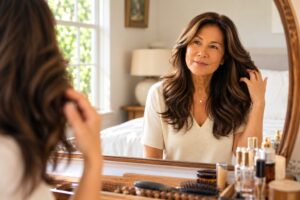
A breakout that you might ignore in another phase of the menstrual cycle feels deeply frustrating during the luteal phase. A slightly puffy face may suddenly feel like a major flaw. This is not vanity. It is biology mixed with social pressure. Women are often expected to look consistent every day, even though hormones do not work that way.
Cycle-synced grooming routine
A cycle-synced grooming routine can help you respond to the luteal phase instead of fighting it. The goal is not to erase every symptom. It is to reduce irritation, support the skin barrier, and make your routine feel calmer.
Try these practical shifts:
- Use a gentle cleanser if your skin feels oilier than usual.
- Add salicylic acid 2 to 3 times weekly if pores clog easily.
- Use niacinamide to help balance oil and calm redness.
- Choose lightweight gel moisturizers instead of heavy creams.
- Avoid harsh scrubs when skin feels inflamed.
- Try gentle facial massage for puffiness.
- Wear comfortable clothing on high-bloat days.
This kind of luteal phase skincare works best when started before breakouts fully appear.
How to handle luteal phase face changes
Post-ovulation skincare should focus on balance. If your face feels oily, do not strip it with aggressive cleansers. That can make irritation worse and push the skin to produce even more oil.
Keep it simple. Cleanse, treat lightly, hydrate, protect. If acne appears, spot treat instead of attacking your whole face. If puffiness is the main issue, cold compresses, hydration, sleep, and reducing very salty meals may help.
Cycle syncing does not need to be complicated. It just means paying attention to patterns and adjusting gently.
Be careful with the label
The phrase “luteal uglies” is catchy, but it can also be harsh. It gives people language for a real experience, but it can also make women feel like their natural cycle is something ugly.
That is worth noticing. Use the term if it helps you understand your body. Drop it if it makes you judge yourself more. The better goal is awareness. When you know how the luteal phase affects skin and body image, you can stop blaming yourself every month for changes that are temporary and biologically normal.
Conclusion
The luteal uglies trend has opened up a useful conversation about hormonal skin, bloating, premenstrual skin changes, and the way the menstrual cycle can affect confidence. The key is to treat this phase with strategy, not self-criticism. Adjust skincare, support hydration, reduce irritation, wear what feels comfortable, and remind yourself that luteal phase face changes are usually temporary. Your body is not betraying you. It is moving through a normal hormonal rhythm, and your grooming routine can move with it.