Safe Exfoliation Tips for Smooth Clear Skin
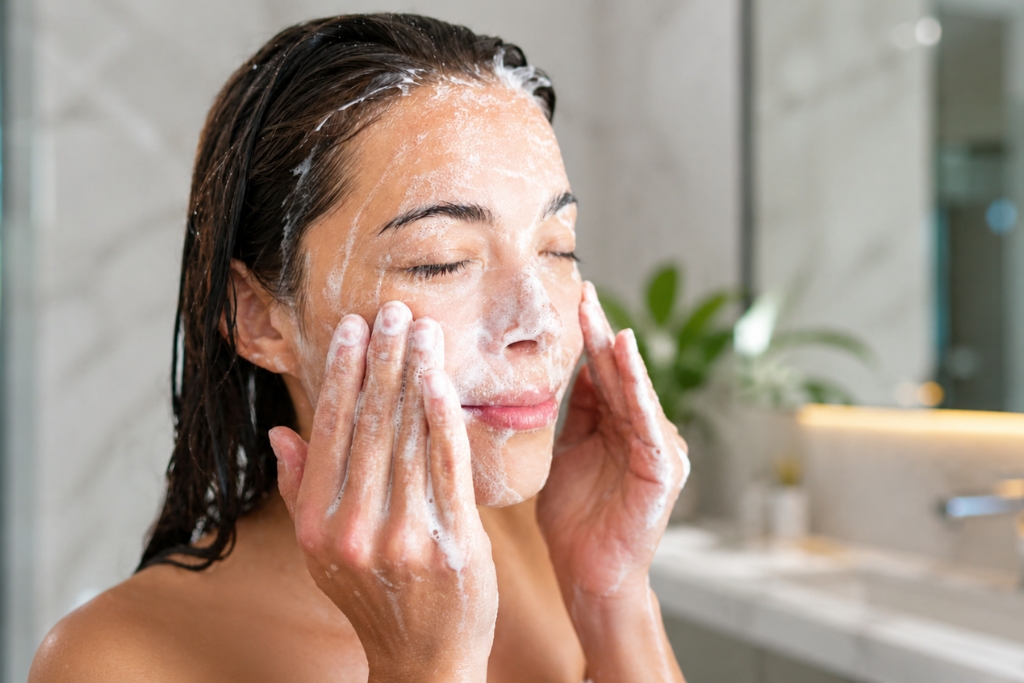
Safe exfoliation tips
Safe exfoliation tips matter because most people do not damage their skin by ignoring exfoliation. They damage it by doing too much, too fast, with products that are too strong for their skin barrier.
The goal is simple. Smooth skin, clearer pores, better texture, and less dullness. But there is a thin line between healthy dead skin removal and irritation that leaves the face red, tight, shiny, or burning. Exfoliation can help remove dead surface cells and improve skin texture, but overuse can weaken the skin barrier and trigger redness, flaking, burning, and breakouts.
Why safe exfoliation tips matter
Safe exfoliation tips matter because your skin barrier is not just “skin.” It is protection. It helps keep moisture in and irritants, bacteria, pollution, and harsh ingredients out. When that barrier is strong, skin feels calmer. It handles products better. It looks smoother without needing constant correction.
When it is damaged, even a gentle cleanser can sting. That is usually where over exfoliation starts. Someone sees dullness, adds a scrub, adds glycolic acid, tries salicylic acid, then layers retinol on top. Within a week, the skin looks polished but feels angry. Not worth it.
Chemical vs physical exfoliation
Chemical vs. physical exfoliation is one of the first things to understand. Physical scrubs use friction. They manually buff away dead skin with particles, brushes, cloths, or tools. Some are mild. Some are not.
Harsh physical scrubs can create micro-tears and skin concerns, especially when particles are rough or the pressure is too strong. That can lead to irritation, redness, and sensitivity.
Chemical exfoliants work differently. AHA/BHA acids loosen dead cells so the skin can shed them more evenly. Cleveland Clinic notes that common chemical exfoliants include glycolic acid and salicylic acid. Glycolic acid is an AHA, often used for surface dullness, uneven tone, and smoother texture. Salicylic acid is a BHA, often helpful for oily, congested, or acne-prone skin because it works well around pores.
Safe exfoliation tips by skin type
Safe exfoliation tips should match your skin, not someone else’s routine. Dry or dull skin may respond better to gentle AHAs like lactic acid or lower-strength glycolic acid. Oily or acne-prone skin may prefer salicylic acid. Sensitive skin may need slower, milder options like mandelic acid or PHAs.
If you have eczema, rosacea, active acne inflammation, a damaged barrier, or frequent burning, exfoliation should be approached more carefully and ideally with professional guidance. This is where dermatologist advice becomes practical. Start low. Go slow. Do not combine too many active products just because they are popular. Smooth skin is not created by attacking the face.
 Exfoliation tips
What are signs of over-exfoliating your face?
Over-exfoliation can sneak up quickly. The face may look shiny, but not healthy. More like tight plastic. That is a warning.
Signs can include:
- Burning or stinging after basic skincare
- Persistent redness that does not calm down
- Dryness, peeling, or rough patches
- Sudden breakouts after using actives
- Skin that feels tight but looks oily
- Increased sensitivity to sunscreen or moisturizer
- A waxy shine with dehydration underneath
If these symptoms show up, pause exfoliating. Skip strong actives. Use a gentle cleanser, barrier-supporting moisturizer, and sunscreen until the skin settles.
How often should you exfoliate?
For most people, 1 to 3 times a week is enough. More is not automatically better.
Safe face exfoliation depends on strength, skin type, climate, age, and the rest of your routine. A mild toner used once weekly is very different from a high-strength peel used with retinoids.
If you use retinol, prescription acne treatments, or strong vitamin C, avoid stacking them on the same night as exfoliating acids. Your skin does not need everything at once. It needs rhythm.
Postexfoliation care matters
Postexfoliation care is where many routines fail. Freshly exfoliated skin needs support, not more pressure.
Use a calming moisturizer with ingredients like ceramides, glycerin, fatty acids, or hyaluronic acid. These help reduce dryness and support the barrier. Sunscreen is non-negotiable. Exfoliation can leave newer skin cells more exposed to UV damage, so broad-spectrum SPF 30 or higher should be part of your morning routine.
A simple rule: exfoliate at night, repair after, protect the next morning.
Dermaplaning and sensitive skin
Dermaplaning can be useful, but it is still a form of physical exfoliation. Dermaplaning safety tips include using a clean facial blade, working on dry skin, using light strokes, and avoiding active acne, cuts, rashes, or irritated patches.
Never rush it. For exfoliating sensitive skin, avoid aggressive scrubs and high-strength acids. One gentle exfoliant, once a week, is often a better starting point than a full active-heavy routine.
Keep the glow, skip the damage
Safe exfoliation tips are really about restraint. Choose the right method, use it less often than you think you need, and listen when your skin pushes back. Chemical exfoliants like glycolic acid and salicylic acid can help with dullness, texture, clogged pores, and smooth skin when used carefully. Physical scrubs can work for some people, but harsh pressure and rough particles increase irritation risk.
The best routine is not the strongest one. It is the one your skin can tolerate consistently. Exfoliate gently, repair the skin barrier, protect with sunscreen, and stop the moment your face starts feeling raw, tight, or reactive. Healthy skin should feel comfortable, not punished.