Can Eating Peanuts Support Brain Health?

peanuts brain health
If you have worries about memory and are looking for affordable dietary changes, peanuts and brain health research offer an intriguing starting point. These familiar snacks provide useful nutrients, and some studies suggest benefits for particular memory measures. The evidence doesn’t establish that eating peanuts daily prevents dementia.
That distinction matters. Peanuts can contribute to a balanced diet without becoming another food you feel obliged to eat. The better question is what the research actually measured and how those findings fit everyday meals.
What Peanuts and Brain Health Studies Actually Found
One randomized crossover trial involved 31 healthy older adults, with an average age of 67. Participants consumed 60 grams of unsalted, skin-roasted peanuts daily for 16 weeks and completed a separate period without peanuts.
Compared with the control period, peanut consumption increased overall brain blood flow by 3.6%. Performance on one delayed verbal-memory measure improved, but executive function and psychomotor speed did not. Executive function includes skills such as planning; psychomotor speed concerns how quickly people process information and respond.
Those results are encouraging, but they aren’t proof of broad cognitive improvement. A small study lasting several months cannot establish protection against a disease that develops over many years. Another small randomized trial, involving older adults with memory complaints and cardiovascular risk factors, found no significant improvement in cognition after a 12-week peanut intervention. The populations and methods differed, but this finding reinforces the need for cautious conclusions.
Useful Nutrients Without the Superfood Claims
Peanuts are legumes, although they commonly share a shelf with tree nuts. They supply plant-based protein, unsaturated fats, and nutrients, including niacin and vitamin E.
Niacin, or vitamin B3, helps the body use energy from food. Vitamin E contributes antioxidant activity, helping protect cells from damage caused by unstable molecules called free radicals. These normal biological roles don’t prove that eating extra peanuts improves memory.
Resveratrol in peanuts also attracts attention. However, finding a potentially useful compound in a food doesn’t establish that an ordinary serving produces a specific brain benefit.
The Peanuts and brain health evidence concerns whole foods consumed under study conditions. It doesn’t justify promises about new brain-cell growth, sharper concentration, or guaranteed relief from brain fog.
A Research Portion Isn’t a Daily Prescription
The 60-gram serving used in the positive trial is larger than the approximately 28-gram handful often suggested for snacking. There’s no established peanut dose for preventing cognitive decline, and a smaller serving cannot be assumed to reproduce the trial results.
Daily peanut consumption also adds energy to the diet. Consider what the peanuts replace, rather than simply adding them to everything already eaten.
A measured portion instead of biscuits may make sense for your routine. Eating straight from a large packet makes portions harder to judge. Neither choice needs to become a strict rule, but context matters when evaluating the dietary benefits of peanuts.
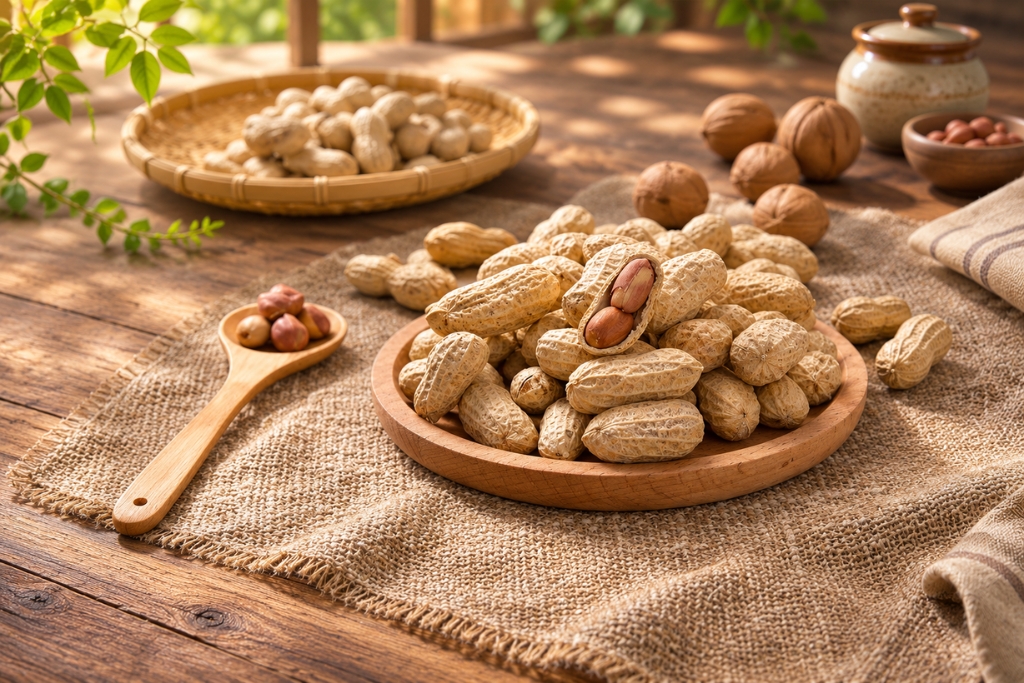 daily peanut consumption
Simple Ways to Include Peanuts
Choose a preparation you enjoy and can fit into ordinary meals:
- Add chopped unsalted peanuts to a vegetable stir-fry.
- Stir a small spoonful of peanut butter into oatmeal.
- Pair a measured handful with fresh fruit.
- Sprinkle crushed peanuts over a salad.
- Compare labels for added sugar and sodium.
Peanut butter offers another convenient option, but it isn’t automatically interchangeable with the skin-roasted peanuts studied. Check ingredients and choose according to taste, budget, and nutritional needs.
Anyone with a peanut allergy should avoid peanuts and follow their allergy-management advice. Possible cognitive benefits are never a reason to test tolerance at home.
Keep the Wider Picture in View
Searches for memory-boosting foods or brain-boosting nuts can make brain health sound like a shopping list. It’s more complicated. Dietary patterns, physical activity, and management of conditions such as high blood pressure all deserve attention.
No single food has been shown to guarantee Alzheimer’s prevention. Peanuts and brain health findings should therefore sit alongside broader health habits, rather than replacing them. Persistent or progressive memory changes need evaluation, not a diet trial.
Peanuts are readily available and versatile foods that can earn a spot on a well-rounded diet. The research suggests potential benefits for some memory outcomes, but with significant limitations. If they work for you, that’s great. Keep the portions reasonable. Be cautious of claims of guaranteed brain protection.