Best Healthiest Canned Fish Options to Try
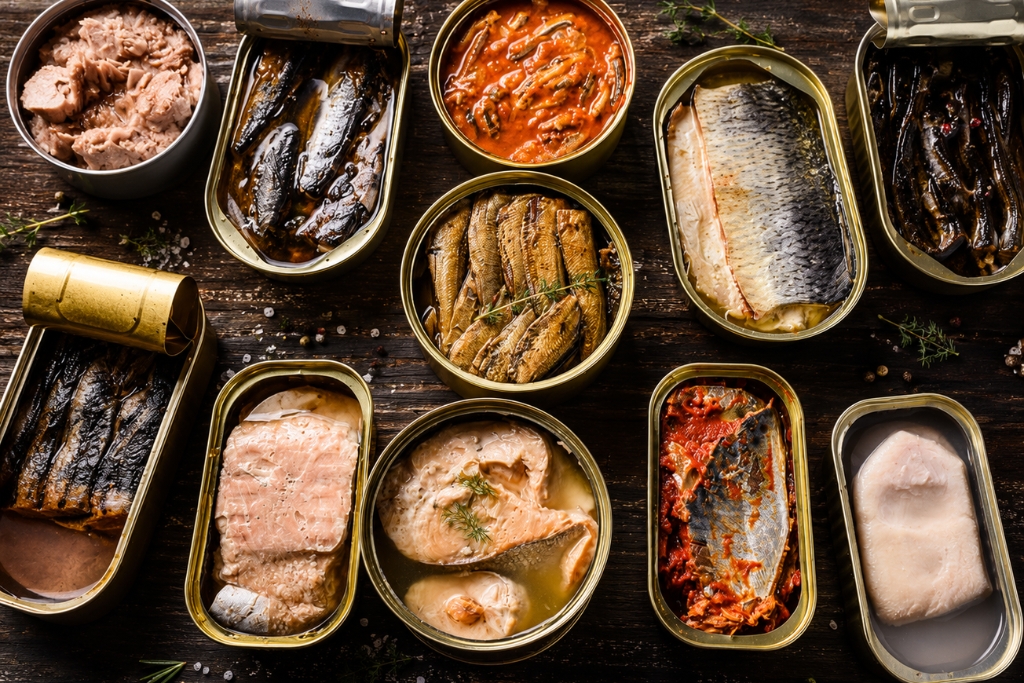
Healthiest canned fish options
The healthiest canned fish options are not limited to tuna, even though tuna has owned the pantry-protein space for years. It’s affordable, easy to use, and packed with clean protein. But if you’re trying to eat better without making meals complicated, it makes sense to widen the shelf a little.
Here’s the thing. Eating healthy can get tiring when every meal feels like grilled chicken, eggs, or the same tuna sandwich again. Canned fish gives you a quick way to add omega 3 foods, minerals, and protein without cooking from scratch. Still, variety matters. Relying too heavily on tuna can raise concerns around mercury exposure over time. That’s where smaller tinned fish come in.
Why Healthiest canned fish options matter
The healthiest canned fish options usually come from smaller oily fish that sit lower on the food chain. Sardines, mackerel, and anchovies tend to live shorter lives than larger predatory fish, so they generally have less time to accumulate heavy metals.
That makes them useful low mercury canned fish choices for people who want seafood more often but don’t want to overthink every serving. These fish also bring more than protein. They can support heart health, bone strength, muscle repair, and everyday energy because they contain omega-3 fats, vitamin D, calcium, iron, selenium, and other micronutrients.
Simple nutrition note: omega-3 fatty acids are healthy fats that support the heart, brain, and normal inflammation response. The body doesn’t make enough of them on its own, so food sources matter.
Sardines bring calcium and omega-3 power
Canned sardines’ benefits are hard to ignore. They are small, affordable, easy to store, and surprisingly nutrient-dense. Because sardines are often canned with their softened bones, they can deliver a strong calcium boost in a very small serving. That matters for people who don’t drink much milk or struggle to get enough calcium through regular meals.
Sardines also stand out among the best canned fish for omega 3 fatty acids. Their oily texture may feel bold at first, but it works well with lemon, mustard, toast, rice bowls, and simple salads. If you’re new to sardines, start with tins packed in olive oil or water. Add acid. A squeeze of lemon changes everything.
Mackerel feels richer and milder
Canned mackerel nutrition is one reason this fish deserves more attention. It has a soft, flaky texture and a richer flavor than tuna, but it doesn’t always taste as intense as sardines or anchovies.
That makes it a smart canned tuna alternative for people who want healthy seafood without a strong “fishy” punch. Mackerel gives you clean protein, vitamin D, selenium, and omega-3 fats in a format that actually works for quick meals. Try it over avocado toast, in grain bowls, with cucumber salad, or mixed into a simple yogurt-based spread.
Better yet, mackerel often feels more filling than tuna. The healthy fats give meals more staying power, which helps if you’re trying to snack less between meals. Practical kitchen tip: if the flavor feels too rich, pair mackerel with crunchy vegetables, vinegar, lemon juice, or pickled onions. Fatty fish needs brightness.
Anchovies add big flavor in small amounts
Tinned anchovies health benefits often get ignored because many people only remember salty pizza toppings. That’s not the full story. Good anchovies can act like a flavor base. They melt into olive oil, sauces, dressings, and pasta without making everything taste aggressively fishy. Instead, they add depth, saltiness, and umami.
Anchovies also provide iron, healthy fats, and protein, making them a budget friendly healthy protein option when used well. You don’t need a whole tin in one meal. A few fillets can transform vegetables, eggs, beans, or whole-grain toast. This is where tinned fish trends actually make sense. Some pantry staples are trendy for a moment. Anchovies are useful for life.
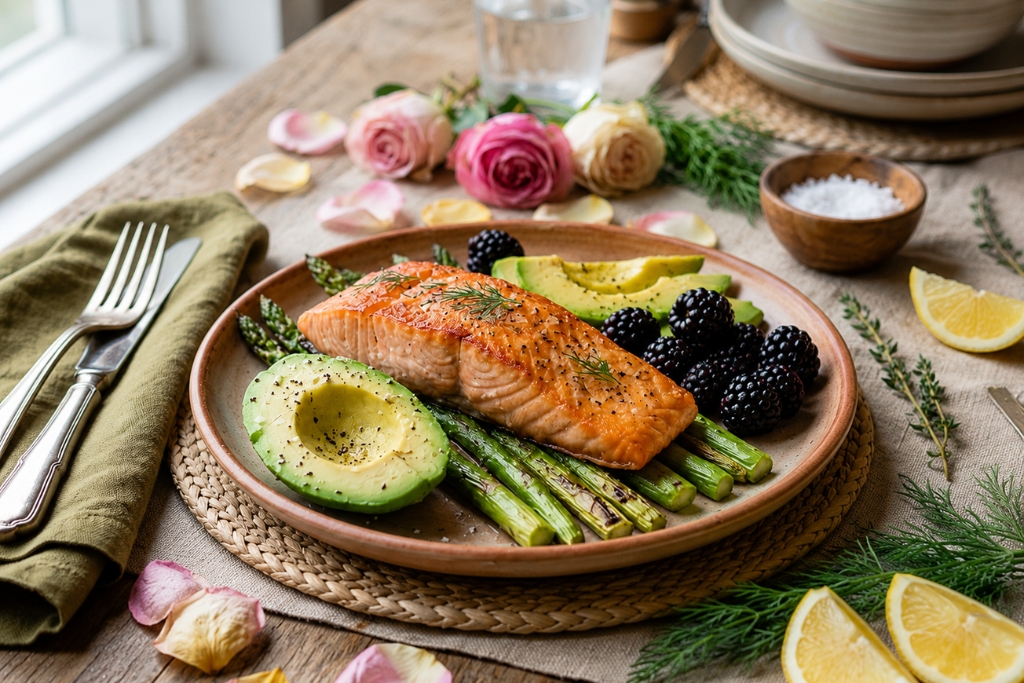
Tinned fish trends
Smart ways to shop for canned fish
- Choose simple ingredients: fish, water or oil, and salt.
- Pick olive oil if you want richer flavor and extra healthy fats.
- Choose water-packed tins if you prefer lighter meals.
- Look for sustainable seafood labels when available.
- Try sardines, mackerel, and anchovies from different regions.
- Check sodium levels, especially with anchovies.
- Avoid tins with heavy sauces if you want cleaner nutrition.
- Sustainability and mercury make variety smarter
The healthiest canned fish options also help reduce pressure on tuna-heavy eating habits. Smaller schooling fish often reproduce faster than large tuna species, which can make them better sustainable seafood choices when properly sourced.
That doesn’t mean every tin is automatically perfect. Packaging, sourcing, and fishing method still matter. But switching between tuna, sardines, mackerel, and anchovies gives your diet more balance.
It also keeps meals more interesting. Dietitian-recommended canned fish choices usually come down to the same few things: nutrient density, lower mercury risk, convenience, and taste. Sardines, mackerel, and anchovies check those boxes well.
Make your pantry work harder
Healthiest canned fish options can make healthy eating easier, not stricter. Sardines bring calcium and omega-3 fats. Mackerel gives a mild, rich protein boost. Anchovies add flavor and minerals in small amounts.
Tuna still has a place, but it doesn’t need to carry the whole pantry. By rotating different canned fish, you can get more nutrients, reduce repeated mercury exposure, and build quick meals that don’t feel boring. That’s the real win: better nutrition with less effort, using tins you can keep on hand for busy days.