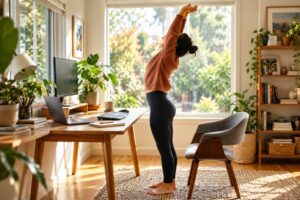
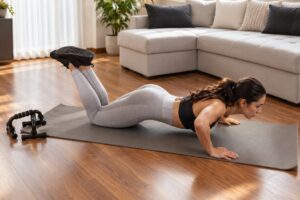
Exercise and Sleep Deprivation for Better Energy
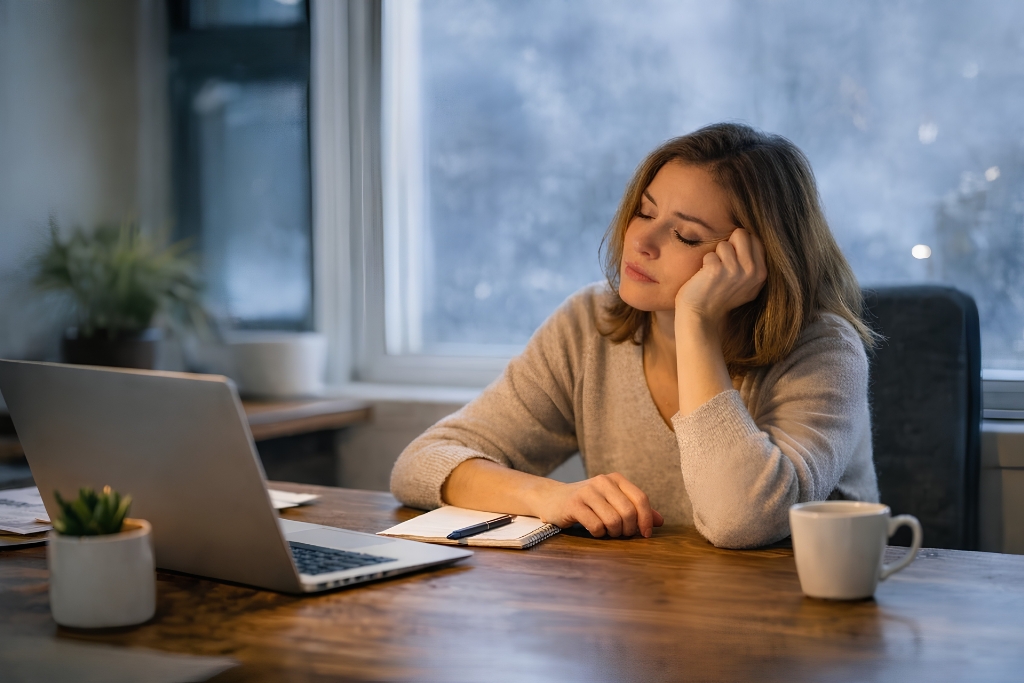
Exercise and sleep deprivation
The exercise and sleep deprivation strategies may sound strange when all you want is a bed, but a short workout can help when you’re running on poor sleep and still need your brain to function. If you’ve ever felt foggy after a restless night, you know the feeling: heavy eyes, slow thinking, and a strong urge to cancel everything.
That fatigue is real. Sleep is still the foundation. No workout replaces healthy, regular sleep. But when a 90-minute nap isn’t possible, 20 minutes of movement may offer a surprisingly useful reset.
What the New Research Found
A McGill University-led study found that people who completed either 20 minutes of moderate-to-vigorous exercise or a 90-minute nap performed about 22% better on memory tests after 30 hours without sleep compared with people who did neither.
That matters because sleep loss hits memory, attention, reaction time, and decision-making. It’s not just “feeling tired.” It changes how the brain processes information.
The study compared exercise, a nap, and no intervention after prolonged wakefulness. Both exercise and sleep helped protect episodic memory, which is the type of memory used to recall events, details, and experiences. So the headline is not that sleep is optional. The sharper takeaway is this: a short exercise session to recover from sleep loss may help preserve thinking performance when rest is not available.
Exercise and Sleep Deprivation Affecting Brain Energy
Exercise and sleep deprivation support work because movement changes the brain’s internal environment quickly. When you move at a moderate pace, your heart pumps more blood. More blood means more oxygen and nutrients reach the brain. Exercise also affects brain chemicals linked to alertness, mood, and focus. This can help explain the quick energy boost many people feel after a brisk walk, light cycling session, or bodyweight circuit.
Brain health exercise is not only about long-term fitness. In the short term, physical activity alertness can help cut through brain fog and make you feel more awake without adding another large coffee. Think of it as a short neurological wake-up signal, not a cure for chronic sleep debt.
Workout 90-Minute Nap
A 90-minute nap has clear benefits. It can allow the body to move through a fuller sleep cycle and support recovery. But real life does not always allow it. Meetings happen. Children need attention. Work shifts continue. Some people simply cannot fall asleep on command. That is where exercise and sleep deprivation planning become practical.
A 20-minute workout energy boost is easier to fit into a packed day. It does not require a dark room, silence, or perfect timing. It also avoids sleep inertia, the groggy feeling that can happen after waking from deeper sleep. The study does not mean exercise is “better” than a nap for everyone. It means both helped memory after sleep loss, and exercise may be a more accessible option when time is limited.

Workout instead of power nap
What Type of Exercise Works Best?
The goal is moderate effort, not punishment. When you’re sleep-deprived, your coordination, recovery, and decision-making may already be weaker. So this is not the time for a max-effort sprint workout, heavy lifting personal records, or complicated high-intensity training.
A better choice is something simple and controlled:
- Brisk walking for 20 minutes
- Easy cycling at a steady pace
- Light jogging if you already run
- Bodyweight squats, wall push-ups, and step-ups
- Gentle yoga flow with steady breathing
- Stair walking at a manageable pace
- Mobility work followed by a short walk
You should feel warmer and more alert, not wrecked.
Power Nap vs Workout in Real Life
The power nap vs. workout choice depends on timing and need. If you have a quiet space, enough time, and no risk of ruining nighttime sleep, a nap can help. If you need to stay alert soon, or if a nap leaves you groggy, movement may be smarter.
For many people, the best fatigue management tips are boring but effective: hydrate, get light exposure, move for 20 minutes, eat a balanced snack, and reduce the task load when possible. Sleep loss remedies should also be realistic. A quick workout can help you get through a demanding afternoon, but it should not become a habit that masks poor sleep every week.
When to Avoid Exercising Sleep-Deprived
Exercise’s cognitive benefits are useful, but safety still matters. Skip the workout or keep it extremely gentle if you feel dizzy, sick, faint, have chest pressure, a severe headache, or unusual shortness of breath. Avoid driving to a gym when you are dangerously sleepy. Do not do heavy machinery work after sleep loss just because you exercised.
Sleep deprivation can impair reaction time and judgment. If fatigue is severe, recurring, or paired with symptoms like unexplained weight changes, snoring with gasping, mood changes, or daytime sleep attacks, it is worth speaking with a healthcare professional.
How to Use the 20-Minute Reset
The best time is usually when the slump hits, often late morning or mid-afternoon.
Step outside if possible. Natural light adds another alertness signal. Keep the session simple. Then give yourself five minutes to cool down before returning to work, studying, or caregiving. For memory enhancement exercise, consistency helps too. Regular movement supports brain health over time, while short sessions may help with acute sleep loss.
Conclusion
exercise and sleep deprivation strategies can help when poor sleep leaves you foggy and a long nap is not realistic. Research suggests 20 minutes of moderate-to-vigorous exercise may protect memory after sleep loss about as well as a 90-minute nap in the tested setting. That does not make sleep replaceable. It makes movement a useful backup tool. When you’re tired but still need to function, choose a safe 20-minute session, keep the intensity moderate, and use it to regain focus without overloading an already tired body.