How Apoptosis Healthy Aging Support Longevity
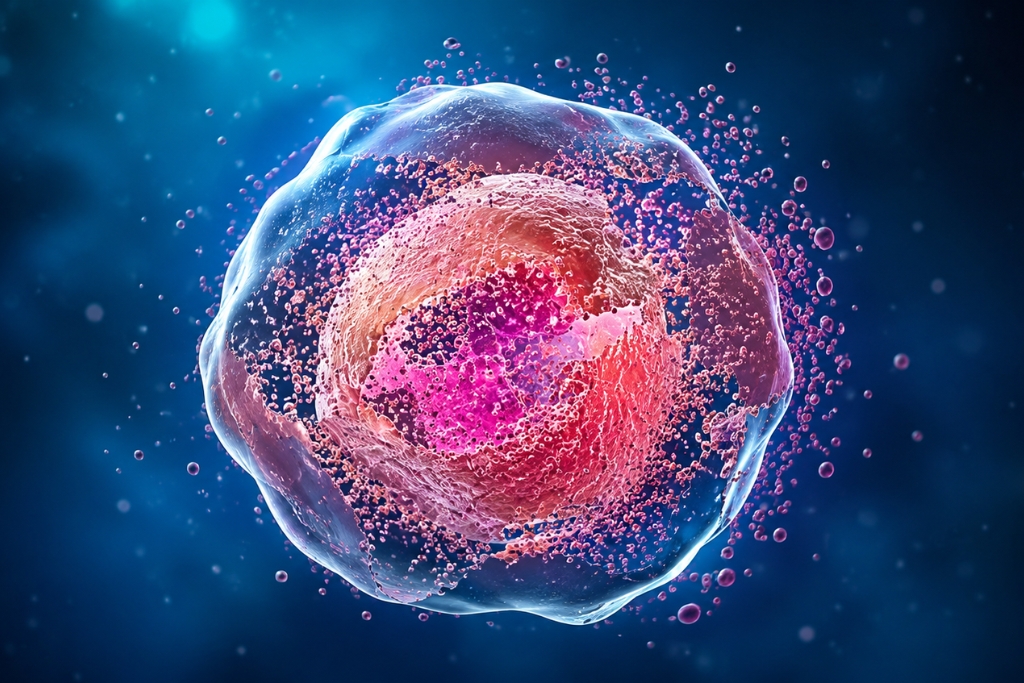
Apoptosis healthy ageing
Apoptosis and healthy aging may sound like heavy science phrases, but the idea is surprisingly simple. Your body has a built-in cleanup system that removes damaged, worn-out, or risky cells before they create bigger problems.
That matters if your health goals are simple and real: more energy, better recovery, stronger aging, and fewer things silently going wrong inside the body. Think of apoptosis as your internal maintenance guy. Not dramatic. Not flashy. Just quietly checking which cells still work and which ones need to go.
Why apoptosis matters more with age
Every day, your cells deal with stress. Sun exposure, poor sleep, pollution, inflammation, intense workouts, processed food, infections, and plain aging all leave marks. Some cells repair themselves. Some don’t. Apoptosis, also called programmed cell death, steps in when a cell becomes too damaged to keep around safely. Instead of letting that cell leak trouble into nearby tissue, the body breaks it down in a clean, controlled way.
This is one reason apoptosis and healthy aging matter. Aging is not only about wrinkles or slower metabolism. It is also about how well your body manages cellular renewal. When cleanup slows down, damaged cells can hang around longer than they should.
Meet the “quality control” cells
Your body is not passive. It watches. When a cell carries too much damage, apoptosis helps it shrink, package its contents, and signal immune cleanup crews to remove it. This process prevents messy inflammation. That last part matters.
If damaged cells burst open or linger too long, they can irritate surrounding tissue. Proper macrophage cell clearance helps avoid that. Macrophages are immune cells that collect and clear cellular waste, almost like a biological disposal team. Healthy apoptosis is less like destruction and more like careful renovation. The body removes what no longer works so better tissue function can continue.
What happens when damaged cells refuse to leave
Some damaged cells do not die when they should. These are often called senescent cells. They are not fully dead. They are not fully useful either. Senescent cells can release inflammatory signals that affect nearby healthy cells. Over time, this can add to cellular inflammation aging, poor tissue repair, slower recovery, and general biological wear.
That is why longevity science pays attention to how to clear senescent cells naturally. The goal is not to “hack” the body. The goal is to support the systems that already exist. Apoptosis and healthy aging are part of that natural quality-control cycle.
Apoptosis vs. autophagy explained
Apoptosis vs. autophagy can be confusing because both support repair, but they do different jobs. Autophagy is internal recycling. A living cell breaks down damaged proteins, worn-out parts, and weak mitochondria, then reuses those pieces. It is like cleaning the inside of a room.
Apoptosis is different. It removes the whole cell when the damage is too serious. That is more like closing a room, clearing it out, and rebuilding properly. Both matter. Cellular autophagy keeps cells efficient. Apoptosis removes cells that are no longer safe or useful. Together, they support quality control cells needed for long-term health.
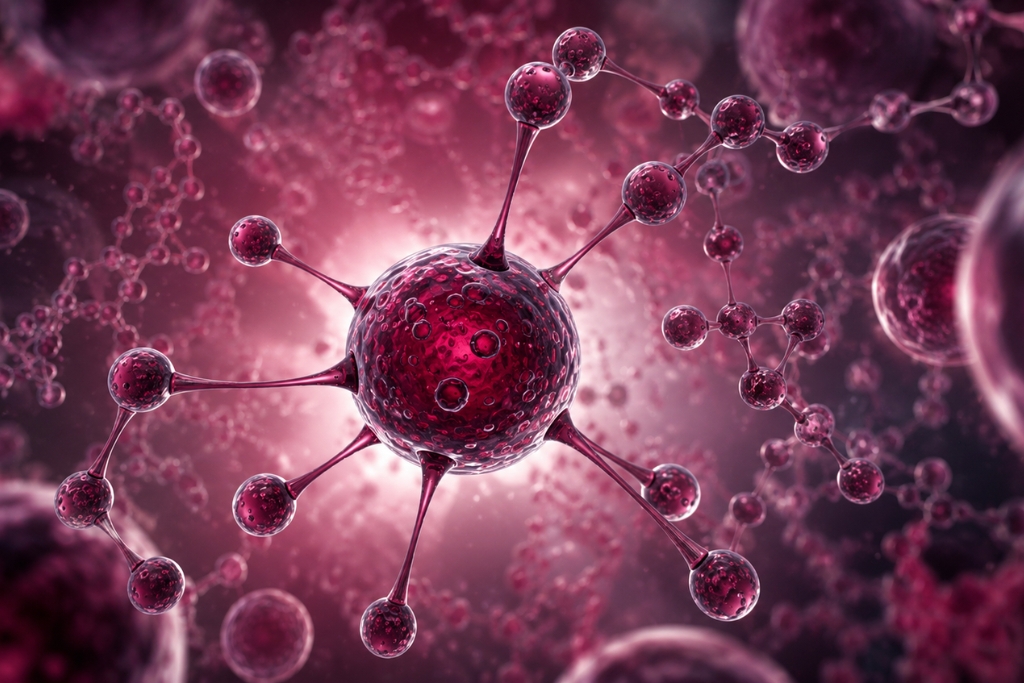 Programmed cell death
Apoptosis healthy aging, and mitochondria
Apoptosis and healthy aging also connect closely with mitochondrial health. Mitochondria are the energy-producing parts of cells. When they work well, cells have better energy control and stress response.
When mitochondria become damaged, the body must either repair the cell or remove it. That is where nutrition, movement, sleep, and fasting patterns become important. They do not “force” perfection, but they influence the environment your cells live in every day. Your habits can either support cellular repair or make cleanup harder. Small daily patterns matter more than extreme routines.
Habits that support cellular repair
You do not need complicated protocols to support programmed cell death aging defenses. Start with habits that lower constant stress and give the body time to repair.
- Try time-restricted eating if it suits your health needs and schedule.
- Choose colorful plant foods rich in polyphenols.
- Add green tea, berries, apples, onions, and extra virgin olive oil.
- Build muscle through strength training.
- Use short bursts of effort during workouts when appropriate.
- Sleep consistently to support hormone and repair rhythms.
- Avoid constant late-night snacking if it disrupts rest.
Time-restricted eating may support circadian fasting cell repair by giving the body a break from constant digestion. This can help shift attention toward maintenance. Mitochondrial foods longevity habits also matter. Foods rich in natural compounds like quercetin, fisetin, and EGCG can support cellular resilience as part of a balanced diet.
Exercise as useful stress
Exercise creates stress. But the right amount is helpful.
Strength training and short, intense movement tell the body to adapt. Weak or damaged cells may be cleared, while healthier tissue becomes stronger. This is one reason movement remains one of the most practical tools for healthy ageing. No need to overdo it. Too much stress without recovery can backfire. The goal is rhythm: move, recover, rebuild.
Conclusion
Apoptosis and healthy aging are not about chasing immortality or following extreme wellness trends. It is about understanding that your body already has smart maintenance systems, and those systems need support. Programmed cell death removes damaged cells, cellular autophagy repairs what can still be saved, and healthy daily habits help both processes work better. Eat in a way that supports mitochondria. Move your body. Give digestion a break when appropriate. Sleep well. Reduce constant inflammation where possible. Aging will still happen, but better cellular cleanup can help the body age with more control, less strain, and stronger repair capacity.