Improve Hearing Naturally With These 8 Everyday Habits
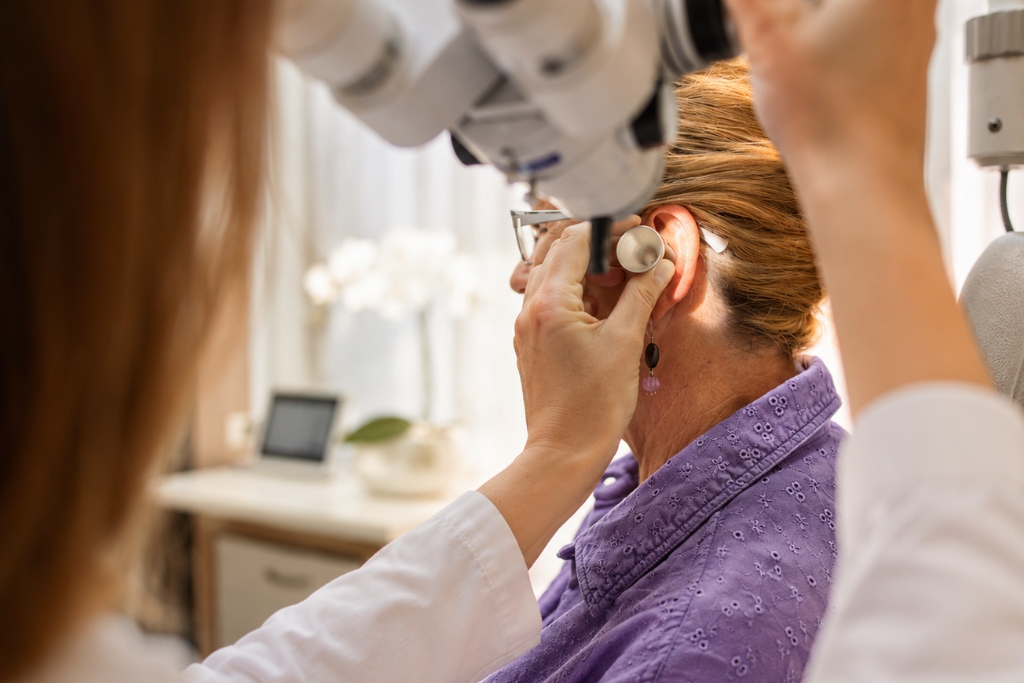
Improve Hearing Naturally
Most people don’t notice hearing changes all at once. It’s usually something small.
Maybe you ask someone to repeat themselves during dinner. Maybe the TV volume creeps up a few notches. Or perhaps conversations in busy restaurants suddenly feel harder to follow than they used to.
When that happens, it’s easy to assume hearing loss is simply part of getting older. Sometimes it is. But sometimes your ears are responding to habits, environments, or everyday choices that have quietly been adding up for years.
The good news is that there are several ways to improve hearing naturally and support long-term ear health before problems become more serious.
Your Ears Work Harder Than You Think
Most of us spend a lot of time protecting our eyesight, watching our diet, or looking after our heart health. Hearing often gets overlooked. Yet your auditory system is working every waking minute.
Inside the inner ear are tiny sensory structures called inner ear hair cells. Their job is to convert sound into signals that your brain understands. The problem is that once these delicate cells are damaged by loud noises, illness, or age-related changes, they don’t grow back. That’s why prevention matters so much. Small daily habits can make a bigger difference than many people realize.
Turn the Volume Down Before Your Ears Force You To
One of the biggest threats to ear health today fits inside a pocket. Phones, earbuds, headphones, and portable speakers have made it easier than ever to expose our ears to constant noise. The problem isn’t occasional listening. It’s sustained listening at high volumes.
A simple rule that works well is keeping headphone volume below 60% and taking regular listening breaks. I’ve noticed many people assume their ears will warn them when sound becomes harmful. Unfortunately, that’s not always how noise-induced hearing loss works. Damage often happens gradually and quietly.
Stop Fighting Earwax
Few things cause unnecessary panic quite like suddenly feeling as though one ear is blocked. In many cases, earwax buildup is the culprit. The instinctive reaction is often to grab a cotton swab. That’s usually where things go wrong. Instead of removing wax, swabs frequently push it deeper into the ear canal.
If you’re looking for how to clear earwax buildup safely at home, earwax removal drops are usually a far safer option. They soften hardened wax and allow it to leave the ear naturally over time. Your ears are surprisingly good at cleaning themselves when we stop interfering.
Train Your Brain to Listen Better
Hearing isn’t just about your ears. It’s also about how your brain processes sound.
That’s why auditory training exercises have become increasingly popular. They encourage your brain to become more efficient at separating important sounds from background noise.
Something as simple as listening to a podcast while low-level background noise is present can challenge your listening skills in a healthy way. Think of it as a workout for your listening abilities.
Give Your Ears a Break
Most people understand muscle recovery. Very few think about sound recovery.
After spending time at a concert, sporting event, busy office, or crowded restaurant, your ears benefit from quiet periods. Continuous exposure to noise can leave the auditory system fatigued. Even a few hours in a calmer environment can help reduce that strain.
Take a Closer Look at Your Medicine Cabinet
Here’s something many people never consider. Certain ototoxic medications can affect hearing and balance. Some may even contribute to tinnitus or temporary hearing changes in susceptible individuals.
That doesn’t mean you should stop prescribed medications. It simply means it’s worth discussing any hearing concerns with a healthcare professional if changes appear after starting a new treatment.
Feed Your Ears What They Need
Good hearing depends on healthy circulation and cellular function. Foods rich in magnesium, potassium, and zinc help support structures inside the inner ear. Bananas, leafy greens, nuts, seeds, and potatoes all contribute nutrients linked to healthy auditory function.
No food can reverse hearing loss overnight. But healthy systems tend to perform better than neglected ones.
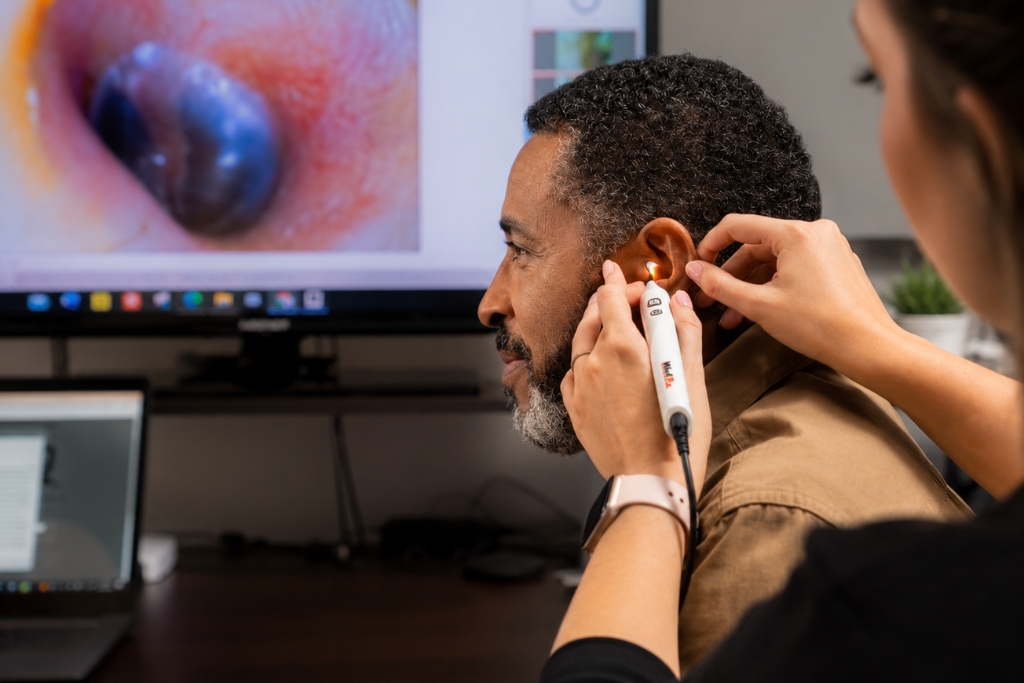
noise induced hearing loss
A Few Habits Worth Keeping
If you want simple ways to protect your hearing naturally, focus on consistency:
- Use safe headphone volume settings.
- Carry ear protection for unexpectedly loud environments.
- Address earwax buildup properly.
- Schedule a hearing test when changes appear.
- Limit exposure to prolonged loud noises.
- Give your ears regular quiet periods.
None of these habits are complicated. Together, though, they can have a meaningful impact.
Don’t Wait Until Hearing Problems Become Obvious
One mistake people make is assuming hearing loss arrives suddenly.
In reality, it often develops slowly enough that you adapt without noticing. That’s why a hearing test can be so valuable. An audiologist can establish a baseline and identify subtle changes long before they start affecting daily life in a significant way.
Conclusion
Learning how to improve hearing naturally is not about chasing miraculous cures or not getting expert care when it is needed. It’s about knowing there are dozens of minor choices we make every day that affect hearing health. Better long-term hearing can be helped by protecting your ears from harsh noises, minimizing earwax buildup, allowing your ears time to recuperate, being aware of prescription side effects, and supporting your body with healthy behaviors.
While a medical condition may be contributing to some hearing loss, there are steps that people may take today to maintain their remaining hearing and prevent unneeded strain on their auditory system. Clear hearing is something you take for granted until it starts to go away. This is why prevention is one of the smartest investments you can make in your future health.