Lose Fat and Keep Muscle With Protein Timing

protein pacing protocol
For years, you were told weight loss was simple: reduce calories and increase activity. Many people followed that advice and did lose weight, yet the results often felt disappointing. Strength dropped, energy faded, and the body looked softer rather than leaner. The problem was not effort. It was strategy.
In 2026, nutrition thinking has shifted toward metabolic fueling. Instead of restricting meals, the focus is on how your body processes them across the day. The Protein-Pacing Protocol comes from that shift. Rather than obsessing over total intake alone, you structure when protein arrives so your body protects muscle and burns fat more efficiently.
What the Protein-Pacing Protocol Actually Means
Protein-pacing protocol is built on a simple principle: your body cannot store protein for later use the same way it stores fat or carbohydrates. If amino acids are not available, your system pulls them from muscle tissue to maintain basic function.
So instead of eating one heavy protein dinner, you divide intake into controlled intervals. Typically you aim for about 25 to 40 grams every few hours. This creates a steady anabolic environment rather than long gaps followed by overload.
The benefit is muscle-safe weight loss. You are not just shrinking your body. You are preserving its structure.
Many people unknowingly practice the opposite approach. Light breakfast, small lunch, oversized dinner. That pattern works against macro timing because the body experiences long stretches without building material. Over time that encourages muscle breakdown, which slows metabolism.
The Metabolic Science Behind It
The strength of the Protein-Pacing Protocol lies in the thermic effect of food. Protein requires significant energy to digest. Roughly a quarter of its calories are used during processing. When you distribute protein intake across the day, you repeatedly activate this process.
That repeated activation acts as a metabolism boost. Rather than spiking once and declining, your metabolic rate remains steady. This pattern is called metabolic fueling because you feed the system consistently instead of alternating between starvation and surplus.
This approach has become particularly relevant alongside GLP-1 muscle preservation discussions. Rapid weight loss often leads to sarcopenia prevention challenges, especially for adults losing weight quickly. P-Pacing helps maintain lean tissue while fat decreases.
The 30g Protein Rule
At the center of the plan is the 30g protein rule. Research shows roughly 30 grams triggers muscle protein synthesis effectively. Doubling the amount in one meal does not double the benefit. The excess is typically used as energy.
Instead, spacing intake works better.
A typical pacing structure looks like this:
- Morning meal: about 30g protein
- Late morning meal: another 30g
- Afternoon high protein snacks
- Evening meal: balanced protein portion
- Optional night protein for overnight repair
You are not constantly eating. You are strategically fueling.
This spacing supports protein pacing for muscle loss prevention and stabilizes hunger. Most people notice fewer cravings because protein naturally increases satiety.
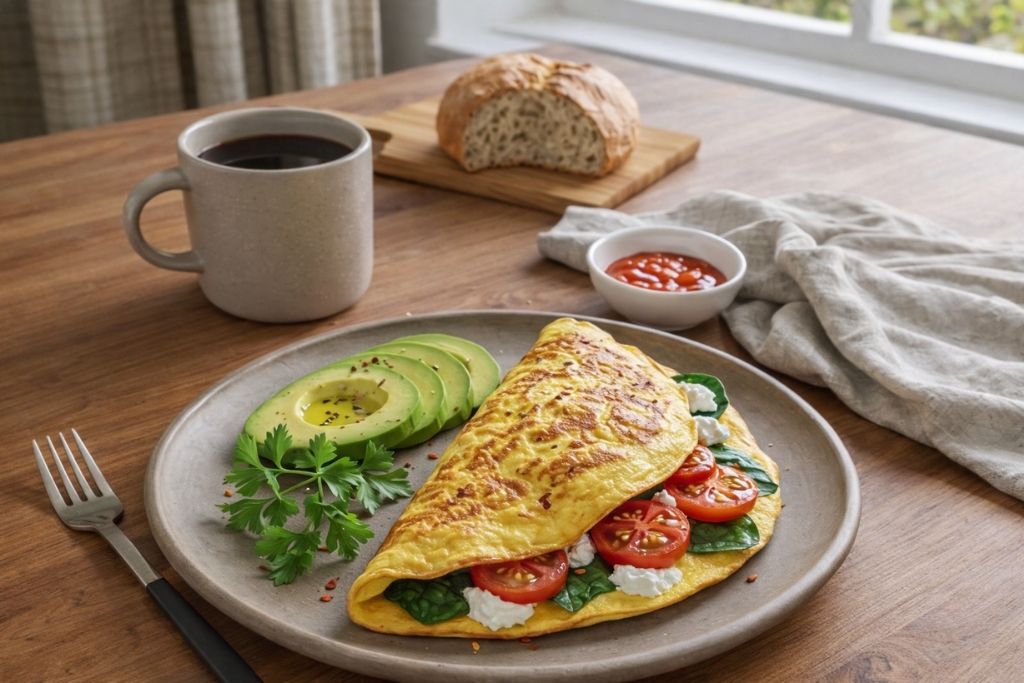
muscle safe weight loss
Combining Nutrition With Movement
Many coaches now pair P-Pacing with the PRISE protocol 2026 approach. The idea is to align food timing with physical demand rather than isolating diet from exercise.
- Protein-pacing
- Resistance training
- Interval training
- Stretching
- Endurance movement
Together these metabolic fueling strategies support fat loss biohacking without aggressive restriction. The goal becomes function and sustainability rather than short-term scale changes.
Choosing Your Protein Sources
Quality matters as much as timing. Whole foods provide micronutrients, but faster-digesting sources can be useful in specific windows.
For example, whey isolate vs whole food protein comparisons show whey isolate contains higher leucine levels. That amino acid activates muscle repair signals quickly, which can support the anabolic window 2026 after training.
Whole foods remain important because they provide broader nutrition. Lean meats, fish, dairy, legumes, and plant proteins should form the base. Shakes simply make pacing easier when schedules are tight.
The practical approach is balance. Use convenient options to maintain timing, not to replace meals entirely.
Why Timing Outperforms Calorie Counting Alone
Traditional dieting reduces intake and hopes the body burns fat. Unfortunately, it often burns muscle as well. Losing muscle reduces metabolic demand, which is why weight loss plateaus happen.
Protein pacing works differently. You maintain metabolic activity while encouraging fat use for energy. That difference explains why people following timing strategies often maintain strength during weight reduction.
Instead of asking how little you can eat, you ask how to support your physiology while still creating a deficit.
Conclusion
The Protein-Pacing Protocol reframes weight loss from restriction to precision. By structuring intake around the body’s biological rhythms, you protect lean tissue, stabilize hunger, and keep metabolism active. The change is subtle but powerful. Fat loss becomes a byproduct of proper fueling rather than deprivation. When you respect timing as much as quantity, your body responds not with weakness but with resilience, making long term progress far more realistic.