Adaptogens for Stress Bring Ancient Herbs Back to Focus
Adaptogens for stress
Stress has become strangely normal. Constant notifications, poor sleep, packed schedules, endless mental stimulation. Most people now move through the day with elevated cortisol levels without even realizing it. The body adapts for a while. Then eventually, it pushes back.
That’s why the growing interest in adaptogens for stress makes sense. People are becoming less interested in quick stimulation and more interested in sustainable balance. Instead of masking exhaustion with caffeine or trying to “push through,” many are looking toward ancient healing herbs that support the nervous system more gently. And honestly, modern wellness is finally catching up to what traditional herbal medicine understood centuries ago.
What Adaptogens Actually Do
The word “adaptogen” gets used constantly now, but very few people understand what these herbs are actually doing inside the body. Adaptogens are natural substances that help regulate the body’s response to stress. They don’t simply energize you or sedate you. Instead, they work more like biological stabilizers.
That’s why adaptogens for stress feel different from stimulants. Coffee may spike your energy temporarily, but adaptogens aim to support long-term nervous system resilience instead of forcing a short-term reaction. This matters because chronic stress isn’t just emotional anymore. It’s physical. Hormonal. Neurological.
Why the HPA Axis Matters
Most stress conversations eventually lead back to one system: the HPA axis. The Hypothalamic-Pituitary-Adrenal axis controls how your body reacts to pressure. When stress levels stay elevated for too long, this system begins misfiring. Cortisol regulation becomes inconsistent. Sleep quality drops. Focus suffers. Recovery slows down.
That’s where many adaptogens become useful. Through HPA axis regulation, herbs like Ashwagandha and Rhodiola Rosea help calm exaggerated stress responses while improving the body’s ability to recover after mental or physical strain. Some researchers now describe adaptogens as “stress-response modulators” rather than simple supplements. That distinction matters.
Ashwagandha Remains the Standout
Among all modern wellness supplements, few herbs have gained as much attention as Ashwagandha. Botanically known as Withania somnifera, this Ayurvedic herb has become one of the most discussed natural stress relief tools in holistic nutrition 2026. And unlike many wellness trends, the interest here isn’t purely hype-driven.
The biggest reason people turn toward Ashwagandha benefits is cortisol management. Elevated cortisol doesn’t just create anxiety. It also affects sleep, appetite regulation, energy levels, and recovery capacity.
For many people, Ashwagandha creates a subtle calming effect without heavy sedation. That balance is important. It doesn’t usually numb emotions or flatten energy the way stronger interventions sometimes can. Instead, it often helps people feel more stable mentally and physically over time.
Ashwagandha vs Rhodiola Feels Very Different
One mistake people make with adaptogens for stress is assuming all adaptogens behave the same way. They don’t. Ashwagandha generally works better for people experiencing anxious overstimulation, poor sleep, or that “tired but wired” feeling.
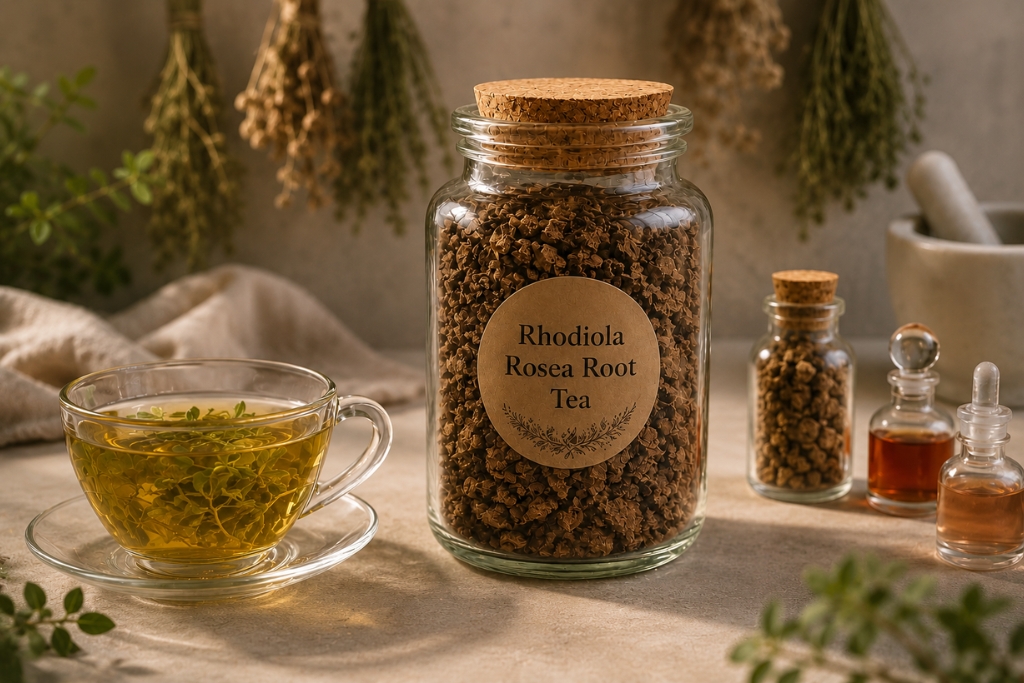
Rhodiola Rosea feels different. It’s more energizing. More mentally activating. That’s why it’s commonly grouped among nootropic adaptogens designed to support focus, stamina, and cognitive endurance. If stress leaves you mentally foggy and physically drained, Rhodiola may feel more supportive than calming herbs. If stress leaves you restless and overstimulated, Ashwagandha often becomes the better fit.
Other Ancient Herbs Are Making a Comeback
The wellness conversation isn’t centered around Ashwagandha alone anymore. Holy Basil Tulsi continues gaining popularity because of its balancing effect on both emotional stress and metabolic strain. Functional mushrooms like Reishi are also becoming common additions inside adaptogenic blends.
These combinations are especially popular in ethnobotanical nutrition because they target multiple systems simultaneously. Instead of addressing stress in isolation, modern formulations now focus on sleep quality, nervous system recovery, immune support, and cognitive resilience together. That broader approach reflects how stress actually affects the body in real life.

Ashwagandha benefits
Signs Your Body May Need Better Stress Support
Many people normalize chronic stress symptoms until they become impossible to ignore.
Some common signs include:
- Constant mental fatigue despite resting
- Trouble sleeping even when exhausted
- Brain fog and low focus
- Elevated anxiety or irritability
- Afternoon energy crashes
- Increased sugar or caffeine cravings
- Feeling physically “wired” at night
These patterns don’t automatically mean someone has adrenal fatigue or a medical condition, but they often signal nervous system overload. That’s exactly why adaptogens for stress have become so relevant in wellness conversations.
Consistency Matters More Than Intensity
One important thing people misunderstand about adaptogens is timing. These herbs usually don’t create dramatic overnight effects. Most work gradually through repeated use over several weeks. The body slowly adjusts. Stress tolerance improves incrementally.
That slower process actually makes sense biologically. Your nervous system doesn’t become overwhelmed in one day, and it rarely recalibrates instantly either. Quality also matters heavily here. Standardized extracts with verified active compounds tend to produce more reliable results than low-quality blends filled with filler ingredients.
Conclusion
Stress isn’t disappearing anytime soon. Modern life moves fast, and the nervous system often pays the price for that pace. What’s changing, though, is how people choose to respond to it.
Instead of relying entirely on stimulants or temporary coping tools, more individuals are exploring long-term nervous system support through adaptogens for stress and holistic nutrition practices. Herbs like Ashwagandha, Rhodiola Rosea, and Holy Basil Tulsi aren’t magic cures, but they may help the body regulate stress more effectively when used consistently and thoughtfully.
The real value of adaptogens isn’t that they eliminate pressure from life. It’s that they may help the body recover from that pressure without staying trapped in a constant cycle of exhaustion, anxiety, and overstimulation.