Optimal Peanut Form for Healthier Snacking
optimal peanut form
The optimal peanut form matters because peanuts are already a strong food choice, but the way they are processed can change what your body actually gets. If your goal is better protein, healthier snacking, or cleaner heart-friendly nutrition, the label matters more than the front of the jar.
Peanuts often get pushed behind almonds, walnuts, and pistachios. That is unfair.
They bring plant-based protein, healthy fats, fiber, folate, and antioxidants at a price most people can actually manage. Cleveland Clinic guidance also points out that peanuts offer protein, fiber, healthy fats, vitamins, minerals, and plant compounds that support overall health.
Why the optimal peanut form matters
The optimal peanut form matters because peanuts can be either a simple, nutrient-dense food or a processed spread with extra sugar, oils, and salt. Big difference.
Whole peanuts and clean peanut butter can support fullness, steady energy, and better snack control. That helps if you are trying to eat better without feeling hungry every two hours. Peanuts are plant legumes, even though people casually group them with heart-healthy nuts. They grow underground and carry a strong nutrition profile. One small serving can bring protein, fiber, healthy fats, and key micronutrients.
That is why peanuts’ health benefits go beyond “quick snack.” They can fit into weight management, vegetarian meals, gym recovery snacks, and heart-conscious eating when portions stay sensible.
Peanuts are more than a cheap snack
Peanuts are a plant protein powerhouse. They contain roughly 7 grams of protein per one-ounce serving, along with fiber and unsaturated fats. These nutrients help slow digestion and make the snack more satisfying.
That matters in real life. A handful of peanuts can stop you from reaching for biscuits, chips, or sugary snacks between meals. Natural peanut butter on whole-grain toast can also work as a filling breakfast add-on.
Peanuts also count among folate sources, which matters for cell function. They contain resveratrol, a plant compound often linked with antioxidant activity. Resveratrol benefits are one reason peanuts get attention beyond basic calories. The practical win is simple: peanuts give budget-friendly nutrition without needing fancy superfood pricing.
 Peanuts health benefits
What processing does to peanut nutrition
This is where things get messy.
Conventional peanut butter can include added sugar, hydrogenated oils, palm oil, and high sodium. These additions change the health profile. They may improve texture and shelf stability, but they can move the food away from its clean, natural form.
Cleveland Clinic’s peanut butter guidance recommends choosing natural peanut butter with just peanuts on the ingredient list, with salt added separately if needed. That is why natural peanut butter is healthier than regular in most cases. It keeps the peanut as the main event. Pure natural peanut butter may separate because the oil rises to the top. That is not a flaw. It is often a sign that the product is not packed with stabilizers. Stir it. Refrigerate it. Move on.
The best optimal peanut form to choose
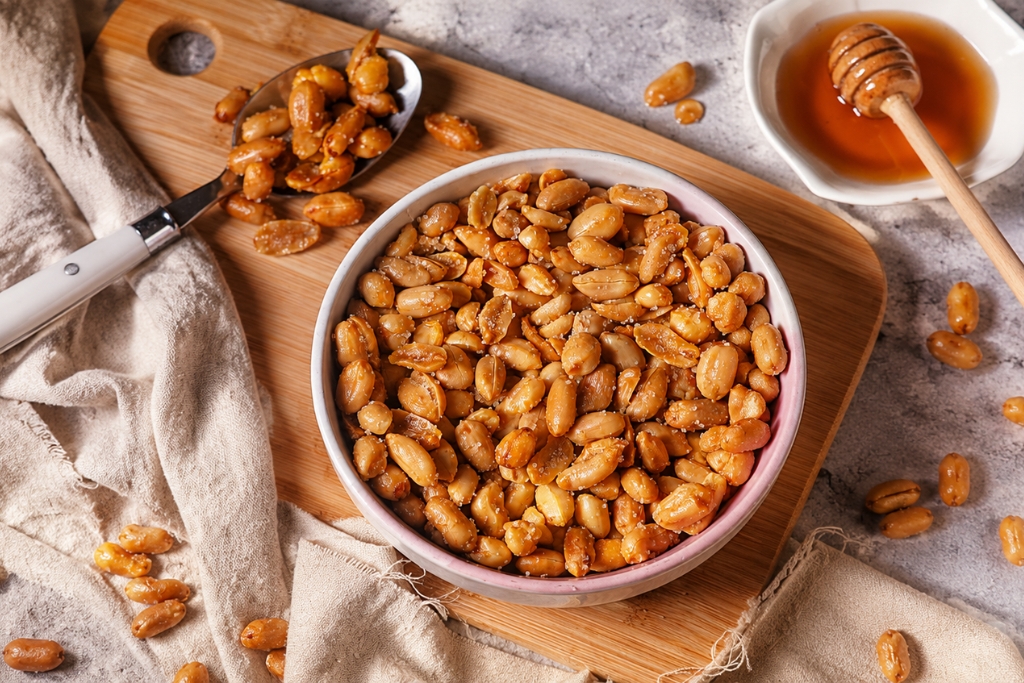
The best optimal peanut form is usually unprocessed peanuts or peanut butter made with only peanuts or peanuts and a small amount of salt. Unsalted dry-roasted peanuts are a clean choice because they give you crunch, protein, fiber, and healthy fats without added oils or excess sodium.
Purest peanut butter is another strong option if the ingredient list stays short. Look for “peanuts” or “peanuts and salt.” That’s it. Palm oil-free peanut butter is especially useful if you want fewer unnecessary additives. Low-sodium peanut butter can also help if you are watching blood pressure or trying to keep daily salt intake controlled.
One useful rule: if the ingredient list reads like a snack dessert, it is not the optimal peanut form anymore.
Smart peanut shopping tips
- Choose unsalted dry-roasted peanuts when possible.
- Choose peanut butter with only one or two ingredients.
- Avoid added sugar, palm oil, and hydrogenated oils.
- Accept oil separation in natural peanut butter.
- Watch serving size because peanuts are calorie-dense.
- Use peanuts with meals, not just as endless snacking.
- Skip peanut products if you have a peanut allergy or have been advised to avoid them.
Food safety matters too. Anyone with a peanut allergy should avoid peanuts and peanut products and speak with a healthcare provider about safe management.
How to use peanuts well
Peanuts can fit into daily meals without much effort. Add them to oats, smoothies, salads, stir-fries, yogurt bowls, or homemade trail mix. Spread natural peanut butter on fruit, toast, or rice cakes.
Keep portions measured.
A spoonful can be healthy. Half a jar is not. That is where many people go wrong with dietary supplements and “healthy” foods in general. A food can be nutritious and still high in calories. Peanuts work best when they replace weaker snacks, not when they sit on top of an already overloaded diet.
Keep it simple, keep it clean
The optimal peanut form is not complicated. Choose whole, unsalted, dry-roasted peanuts or pure natural peanut butter with minimal ingredients. That gives you the real peanuts’ health benefits without extra sugar, oils, or unnecessary sodium.
Peanuts are affordable, filling, and easy to use. They support plant-based protein intake, bring healthy fats, add fiber, and offer useful micronutrients. The trick is not finding the most expensive jar or the loudest health claim. It is choosing the cleanest version and eating it with common sense. For most people, that is where peanuts move from a simple snack to smart everyday nutrition.