Healthy Microwave Rice Options for Easy Dinners
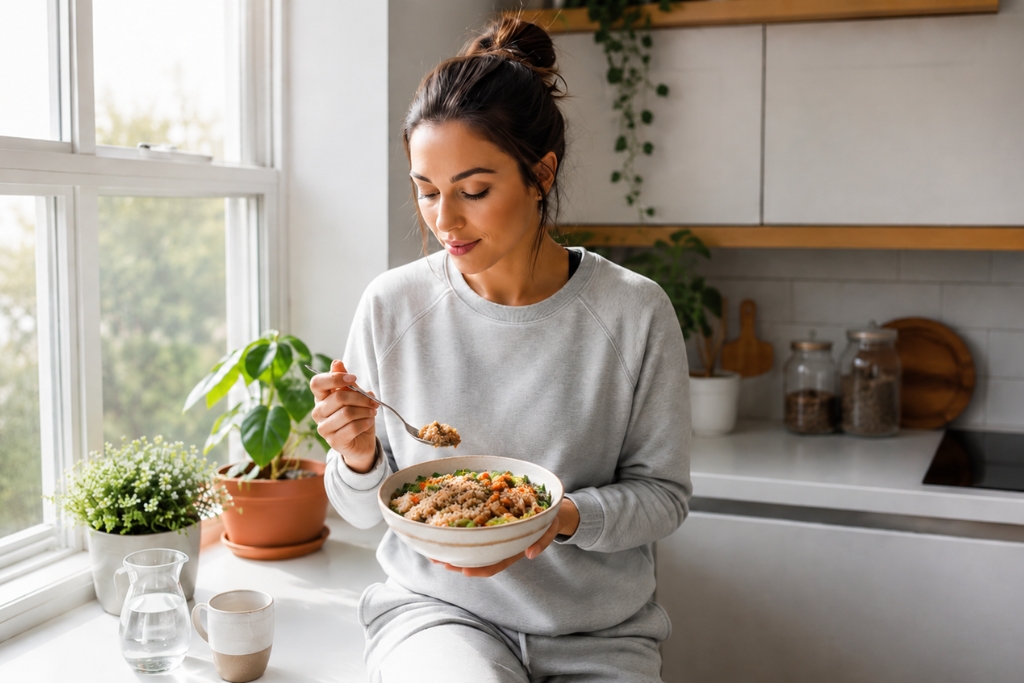
healthy microwave rice
Healthy microwave rice can be a real dinner saver when work runs late, hunger hits fast, and cooking dry grains from scratch feels like one task too many. A ready-to-heat pouch can turn into a stir-fry base, grain bowl, curry side, or quick lunch in about 90 seconds.
That convenience is useful. But not every microwave rice pouch is equally healthy. Some are simple whole grains. Others are closer to salty, oily, flavored convenience food. The trick is learning how to read the pouch before it lands in your cart.
Why Ready-to-Heat Rice Makes Sense
Cooking brown rice, wild rice, or mixed grains can take 30 to 45 minutes. For easy weeknight dinners, that time gap matters. Precooked rice gives you a warm base quickly, which can make the difference between a balanced meal and random snacking.
Consumer Reports has noted that precooked whole-grain pouches can make healthy eating easier because many are ready in around 90 seconds. It also points out that shoppers should look for whole-grain mixes that are lower in sodium. That is the sweet spot. Fast, but still useful nutritionally.
Healthy Microwave Rice Starts With Whole Grains
Healthy microwave rice should ideally start with a whole grain base. Brown rice, wild rice, red rice, quinoa, barley, farro, and mixed grain blends usually offer more fiber and nutrients than plain refined white rice.
Whole grains keep the bran and germ. Those parts contain fiber, vitamins, minerals, and plant compounds. Harvard’s Nutrition Source notes that whole grains contain fiber and nutrients that may improve insulin sensitivity, glucose metabolism, and slow food absorption, helping prevent sharp blood sugar spikes. That matters for dinner. A pouch of whole grain instant rice will usually keep you fuller than a pouch of plain white rice, especially when paired with protein and vegetables.
Check Sodium Before Flavor
Flavored instant rice pouches can be convenient, but sodium is often the issue. Sodium is not “bad” by itself. The body needs it. But packaged foods can push intake up quickly. The FDA lists the Daily Value for sodium as 2,300 mg. A single seasoned pouch can take up a meaningful chunk of that, especially if the rest of the meal includes sauces, cheese, deli meat, canned beans, or takeout-style seasoning.
This is why low-sodium microwavable rice is usually the better everyday choice. Plain brown rice pouches, wild rice blends, or lightly seasoned grains give you more control. Add garlic, lemon, herbs, chili flakes, olive oil, cumin, black pepper, or fresh coriander at home. The flavor improves without relying on a salt-heavy packet.
Read the Ingredient List
Microwave rice pouch ingredients should be short and familiar. Rice, water, a small amount of oil, and maybe salt are usually fine.
Watch out for long lists with added sugars, heavy oils, artificial flavors, flavor enhancers, or creamy sauces. Those can turn a simple grain side into a less balanced packaged meal. The healthiest precooked rice brands are usually the ones that keep the formula boring on the label and let you add flavor in the bowl. That may sound plain. It works.
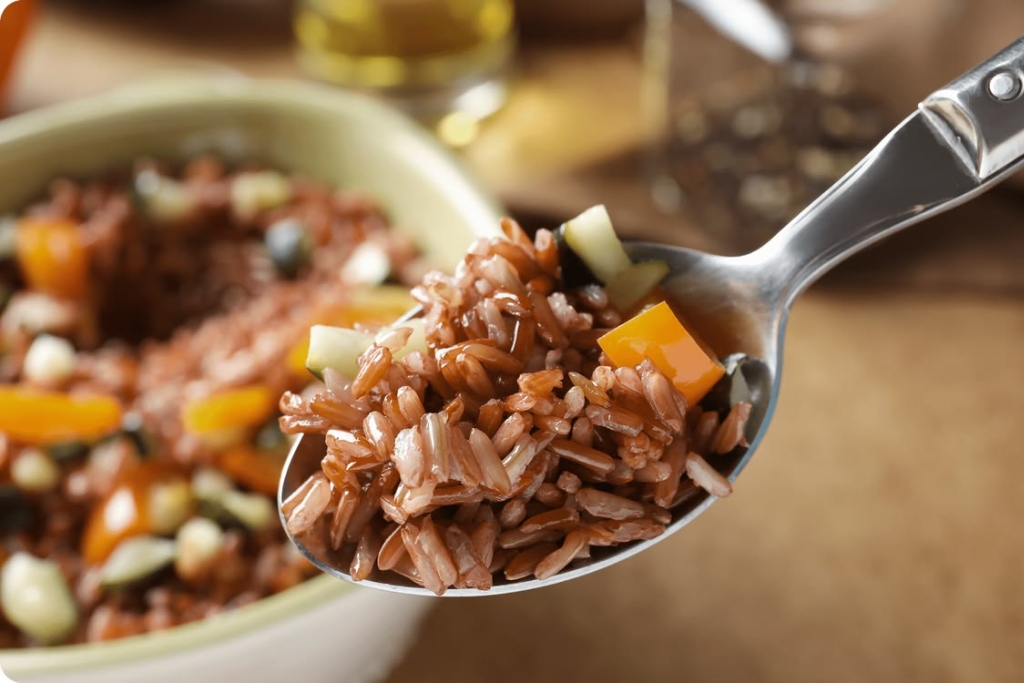 Ready to heat rice
Healthy Microwave Rice and Fiber
Healthy microwave rice should offer some fiber when possible. Fiber helps slow digestion, supports gut health, and can help keep hunger and blood sugar in check. Harvard’s Nutrition Source explains that fiber helps regulate the body’s use of sugars, supporting hunger and blood sugar control.
A useful target is at least 3 grams of fiber per serving. Brown rice pouches, grain medleys, quinoa blends, barley mixes, and wild rice options often perform better here than refined white rice. That said, white microwave rice can still fit into a meal if the rest of the plate brings fiber through vegetables, beans, lentils, or salad. Context matters.
Quick Tips for Picking the Healthiest Pouches
Use this simple checklist when buying ready-to-heat rice:
- Choose brown rice, wild rice, red rice, quinoa, barley, or grain blends.
- Look for at least 3 grams of fiber per serving when possible.
- Pick low-sodium options, ideally plain or lightly seasoned.
- Avoid creamy, cheesy, or sauce-heavy pouches for everyday use.
- Check serving size, since one pouch may contain two servings.
- Choose short ingredient lists with recognizable basics.
- Add flavor at home with herbs, spices, citrus, and vegetables.
- Pair rice with protein instead of eating it alone.
These quick dinner hacks keep convenience from becoming a nutrition compromise.
Build a Better Grain Bowl
The easiest way to use healthy microwave rice is to turn it into a bowl.
Start with the warm rice pouch. Add protein such as grilled chicken, tofu, eggs, salmon, chickpeas, lentils, paneer, or beans. Then add vegetables. Roasted broccoli, cucumber, carrots, spinach, peppers, cabbage, corn, peas, and avocado all work. Finish with a simple dressing.
Try lemon and olive oil, yogurt and herbs, tahini and garlic, salsa, or a light soy-ginger sauce. This makes healthy grain bowls fast without making dinner feel like “diet food.” The Healthy Eating Plate from Harvard recommends choosing whole and intact grains such as brown rice, barley, quinoa, oats, and whole wheat because they have a milder effect on blood sugar and insulin than white rice and other refined grains.
When White Microwave Rice Is Fine
Not every meal needs to be perfect. White microwave rice can be helpful when digestion is sensitive, appetite is low, or the meal already includes fiber-rich foods. It also pairs well with beans, vegetables, and protein when the goal is comfort and speed.
The better question is frequency. For daily quick dinner sides, whole grain sides usually offer more nutritional value. For occasional convenience, plain white ready-to-heat rice can still fit.
Conclusion
Healthy microwave rice is possible when the pouch is chosen carefully. Look for whole grains, more fiber, lower sodium, and simple ingredients. Skip heavily seasoned options for everyday use and add flavor at home instead. Ready-to-heat rice can save 30 minutes at dinner, but the healthiest choice is the one that supports the whole plate: rice, protein, vegetables, and a smart sauce. Convenience is not the problem. The label decides whether it becomes a helpful dinner shortcut or just another salty packaged side.